
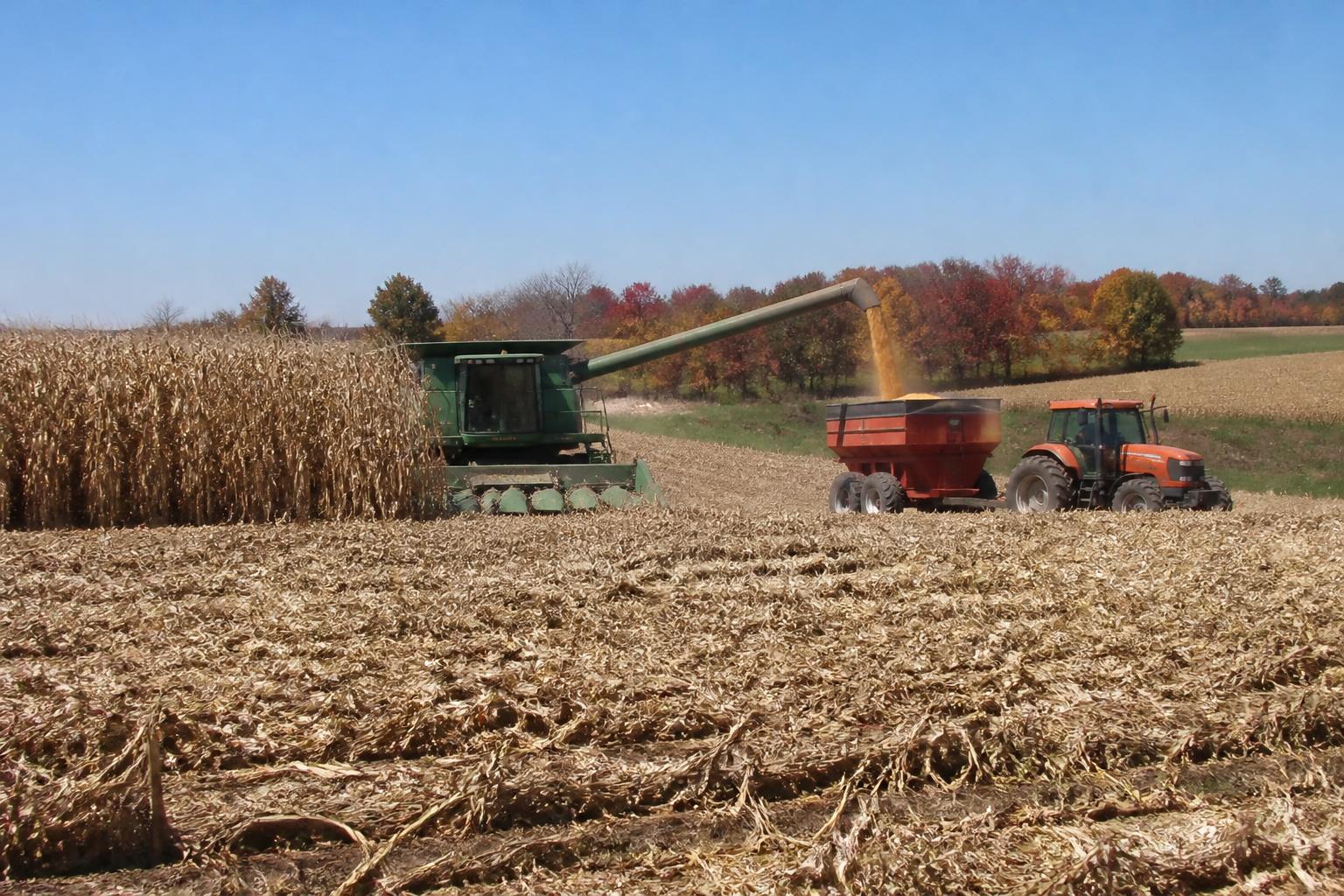
As the fall harvest season concludes across Ohio, farmers are shifting focus from field logistics to long-term asset protection. The recent period has been defined by significant variability, with some regions experiencing moisture stress and drought conditions that accelerated fieldwork, while others contended with cooler temperatures and sporadic rainfall that slowed progress. This uneven harvest pace requires a heightened focus on grain quality and storage integrity.
Protecting the farm balance sheet extends beyond the field. With ongoing discussions regarding rising input costs and supply chain constraints, maintaining secure operations is vital. For grain handlers and producers alike, robust record-keeping and established safety protocols are essential to mitigating risks, particularly following reports of illicit activities involving grain theft in regional facilities. Ensuring that grain is stored properly and that inventory management systems are transparent can help insulate operations against avoidable losses.
Managing On-Farm Risks
Proper grain storage and site safety have become increasingly critical as producers look to manage flow while waiting for market signals. With moisture levels varying widely due to localized drought patterns, monitoring grain condition is paramount to preventing spoilage. Farmers are encouraged to utilize available resources to stay informed on mitigating environmental and operational threats that can compromise the value of the harvested crop.
Market Outlook and Operational Strategy
As we transition into the winter months, the focus turns toward navigating market fluctuations and input procurement. While some producers have benefited from state-led programs designed to reduce financing burdens, the broader challenge remains stabilizing farm margins. Staying engaged with regional leadership programs and agricultural advocacy groups continues to be a key strategy for Ohio agribusinesses to remain resilient in an evolving market environment. For those looking to optimize movement and supply chain efficiency, understanding current transport and logistics constraints will be essential for successful end-of-year planning.
What it means for the market
The combination of drought-impacted yields and logistical bottlenecks underscores the need for proactive risk management. Producers who prioritize grain quality, secure storage, and diligent financial oversight are better positioned to weather the volatility often seen at the tail end of the season. Balancing these internal safeguards with a clear view of infrastructure capacity will likely define operational success for Ohio farms heading into the winter period.
Comments
No comments yet - be the first to share your take.