
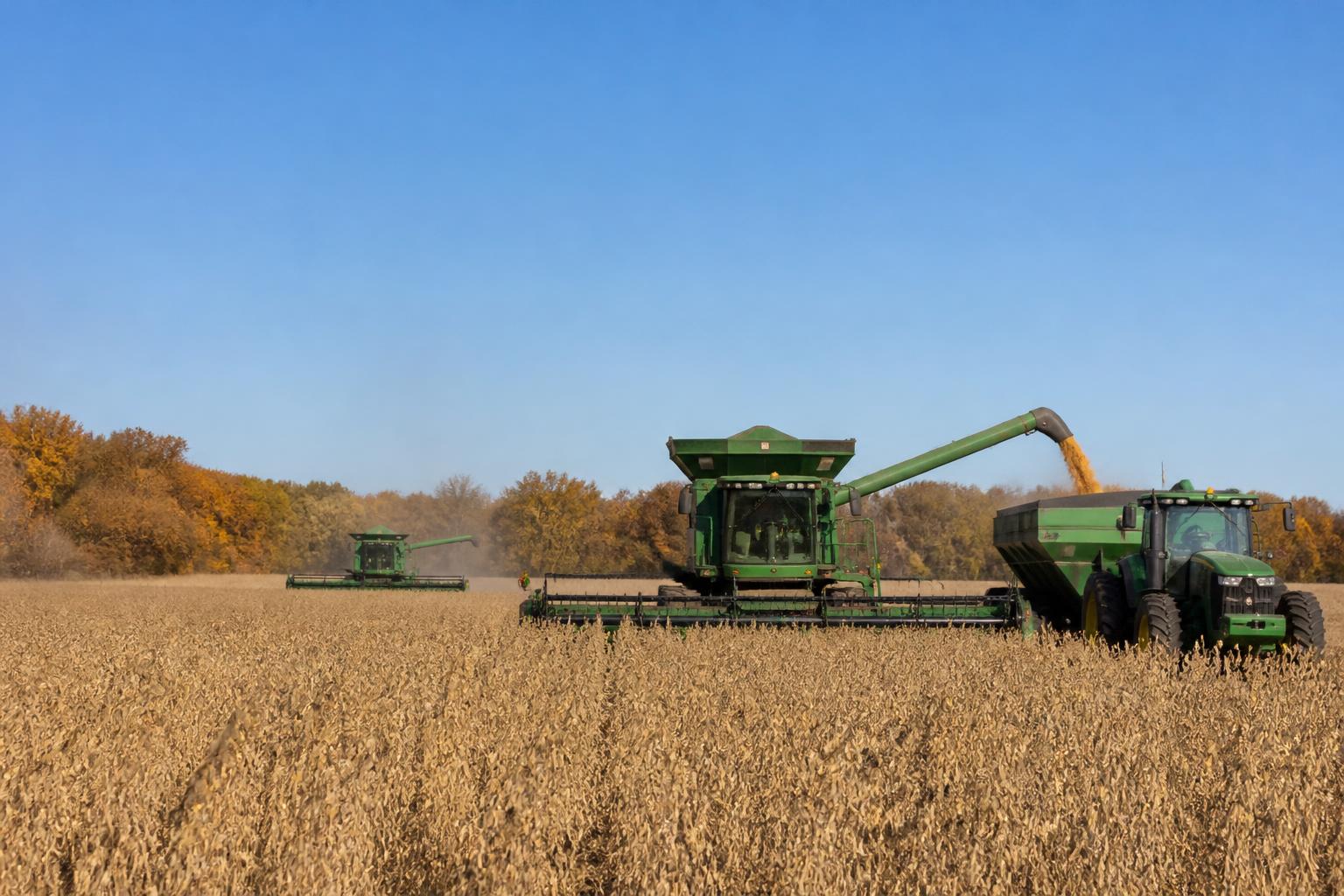
As harvest operations progress across Nebraska, producers are balancing high expectations for crop yields against the realities of a shifting logistical environment. The pace of work in local fields remains a critical focal point, with many producers navigating the seasonal cadence of corn and soybean collection. While harvest numbers continue to move upward, the regional landscape remains marked by variability, demanding careful attention to both storage capacity and transportation throughput.
Managing Operational Variability and Logistics
Efficiency in the field is currently tested by the necessity of managing fluctuating crop conditions. For many agribusinesses, the primary challenge lies in ensuring that grain movement keeps pace with harvesting speeds, particularly as rail and road logistics face seasonal demand. Understanding operational realities in Nebraska is essential for operators looking to mitigate potential bottlenecks during this peak period.
Input Stability and Resource Allocation
Beyond the immediate demands of harvest, the broader agricultural sector is addressing persistent questions regarding input costs and resource management. Facility modernizations and the expansion of industry hubs in the state may offer long-term support for productivity, yet the current market environment requires a rigorous focus on asset protection and expenditure management. Producers are increasingly weighing the benefits of strategic resource allocation against the backdrop of broader economic pressures that influence everything from machinery maintenance to input procurement.
What it means for the market
For Nebraska's agriculture community, the current environment underscores the importance of operational agility. While harvest performance remains a priority, success in the coming months will likely depend on how effectively producers can navigate logistics, leverage local processing stability, and manage input strategies. Monitoring regional trends and maintaining flexible transportation and storage plans will be key for those looking to protect their margins in a volatile market.
Comments
No comments yet - be the first to share your take.