
Adapting to Regulatory Shifts
Massachusetts agriculture is currently navigating a period of adjustment as producers reconcile operational practices with changing state-level animal welfare standards. For many livestock operations, particularly those involved in pork production, the implementation of specific ballot initiatives has necessitated a re-evaluation of facility requirements and production workflows. While some industry groups have pushed back on these mandates, local farmers are generally focused on the practicalities of compliance to ensure long-term market access.
These regulatory developments, when paired with broader market trends, underscore the importance of operational flexibility. Producers are increasingly looking toward efficient logistics and storage strategies to maintain viability during periods of regulatory or economic volatility.
Logistics and Market Realities
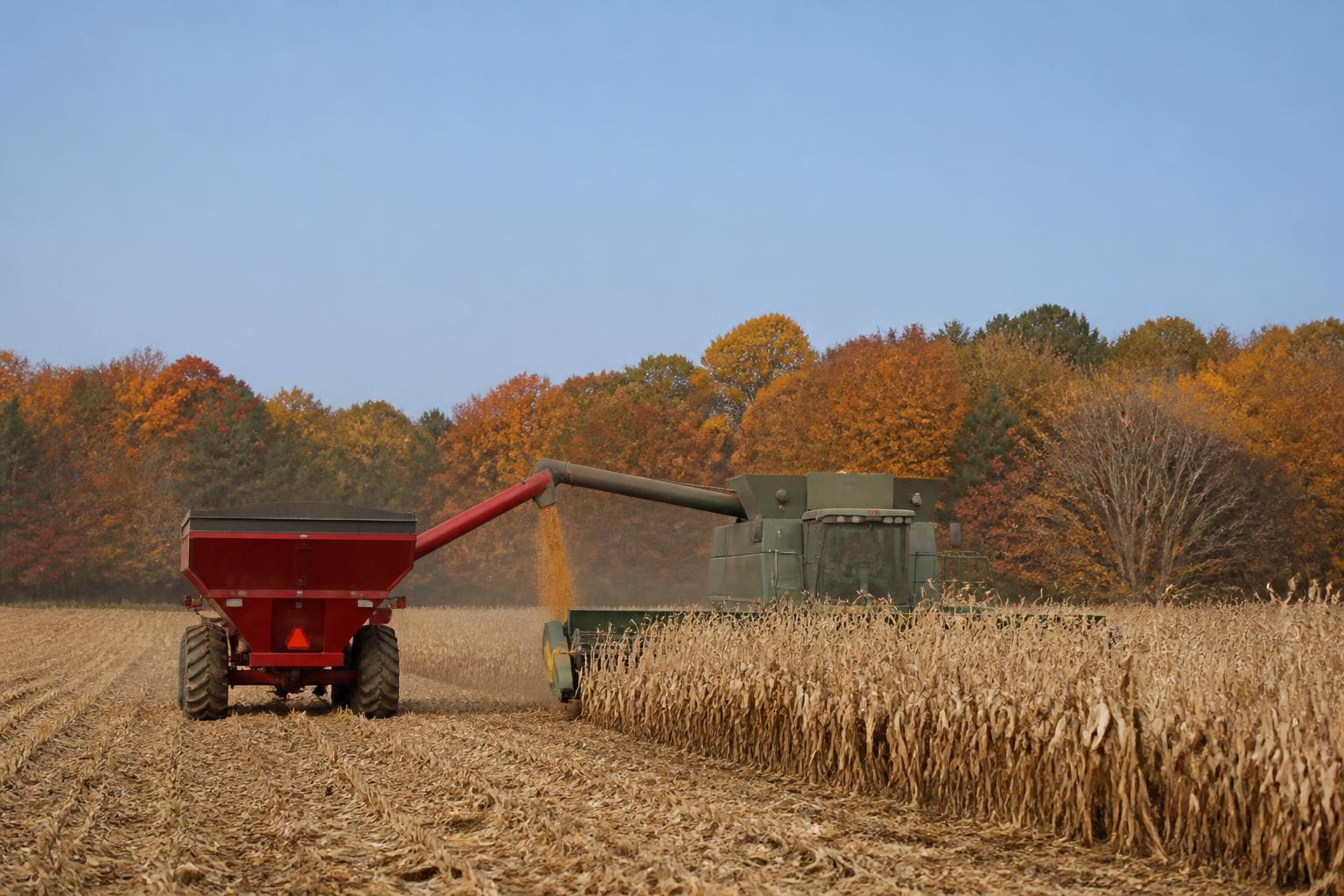
The fall season typically serves as a critical time for grain handling and input management. As harvest concludes, the focus shifts toward securing adequate storage and managing moisture levels to preserve crop quality. Given the regional geography, Massachusetts growers often deal with unique supply chain nuances, where limited local infrastructure can amplify the impact of broader market shifts, such as fluctuating cash prices and basis levels observed in larger grain-producing states.
Furthermore, weather events in the Northeast continue to remind operators of the risks posed to late-season labor and harvest timelines. The combination of unpredictable autumn conditions and the need for precision in post-harvest handling remains a primary consideration for agribusinesses seeking to minimize losses.
What it means for the market
For Massachusetts producers and agribusinesses, the current environment demands a proactive approach to both regulatory compliance and supply chain management. By prioritizing infrastructure efficiency and staying informed on regional policy shifts, stakeholders can better mitigate the risks associated with the changing agricultural landscape and position their operations for more stable performance heading into the winter months.
Comments
No comments yet - be the first to share your take.