
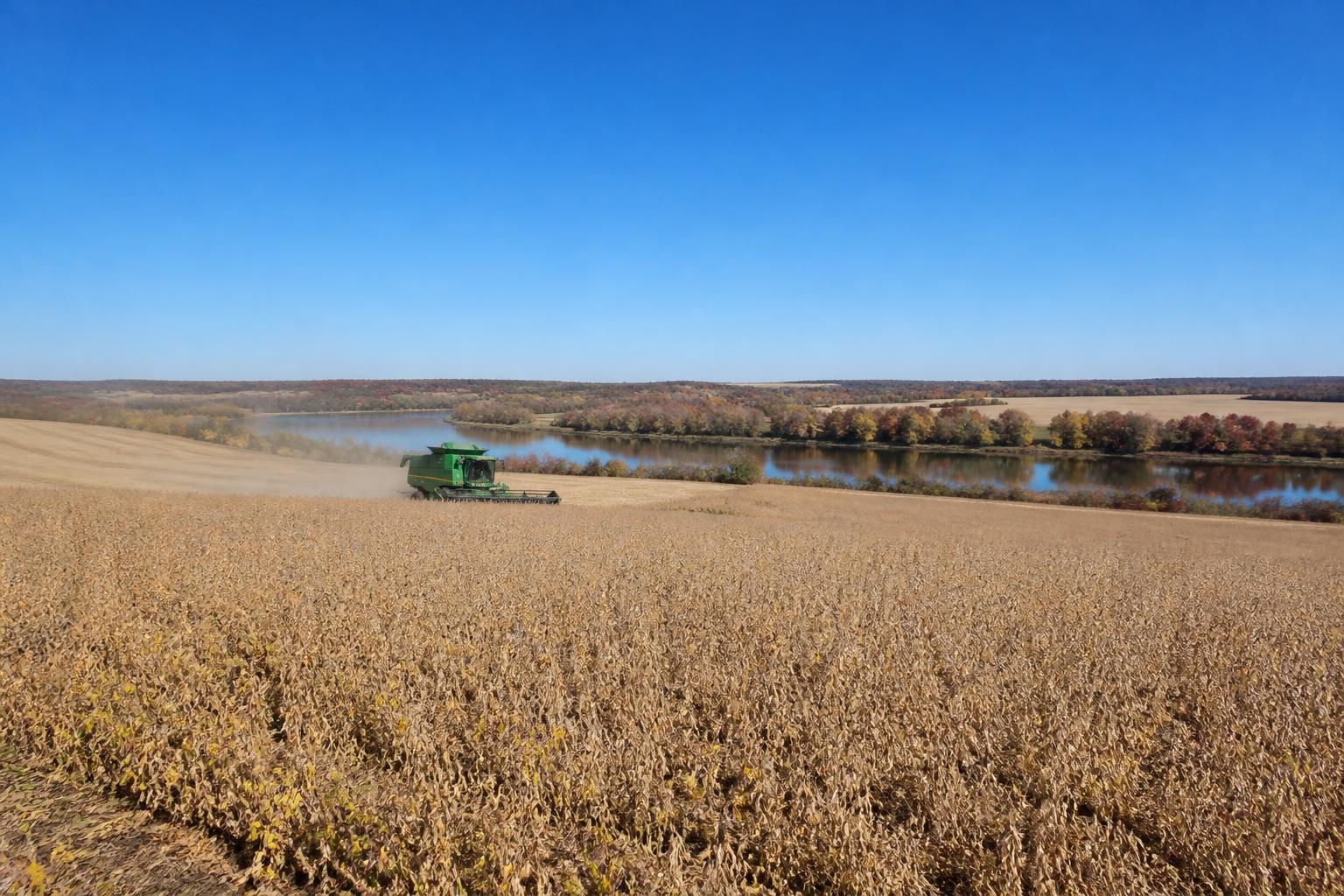
As the Arkansas fall harvest enters its final stages, regional producers are navigating a complex landscape defined by both production shifts and logistical hurdles. While corn and rice harvest efforts are largely reaching completion, the state’s agricultural sector continues to grapple with the realities of a changing supply chain and environmental pressures.
For many grain handlers and farmers, the focus is shifting toward transport efficiency as water levels on the Mississippi River remain a point of concern. Consistent navigation is essential for regional movement, and as reports indicate shifts in river conditions at critical hubs like Memphis, those overseeing agrologistics are keeping a close eye on transport capacity to ensure that remaining stocks reach their destinations without undue disruption.
Shifting Acreage and Production Trends
Recent seasonal patterns have highlighted a notable evolution in Arkansas farming, with significant shifts in acreage across major commodities. While the state maintains its status as a top-three cotton producer, there has been a noticeable surge in soybean acreage, often contrasting with record lows in other traditional staples. This rotation reflects broader economic decisions and market responses that influence how elevators and storage facilities are being utilized this season.
Beyond the immediate harvest, the industry is looking at long-term resilience. New initiatives, such as the deployment of a statewide network of weather stations, aim to provide producers with better data for risk management. Meanwhile, researchers are exploring innovative solutions like fungi-based approaches to help crops better withstand environmental stressors, a development that could prove vital given the recurring weather-related risks in the region.
Navigating Regulatory and Operational Hurdles
Operational complexity remains high for many agribusinesses. Producers are adapting to new regulatory frameworks, including recent approvals regarding input applications that necessitate careful compliance during field management. For those managing complex farming operations, staying current on logistical coordination in a tight supply season is becoming as important as the crops themselves.
Furthermore, local stakeholders are increasingly aware of the potential economic impact of environmental volatility. Regional flooding, in particular, remains a persistent threat that can influence the bottom line for the entire state's agricultural industry. As operations wind down for the year, producers are balancing these immediate threats with broader, long-term investments in farm viability and soil health, mirroring some of the priorities seen in recent harvest cycles regarding input costs and resilience.
What it means for the market
For Arkansas farmers and logistics providers, the remainder of the season demands a focus on final grain movement and site-specific efficiency. With the combination of waterway constraints and shifting commodity output, storage and transport managers should prioritize flexible planning to navigate potential bottlenecks as the final yields move from fields to processing centers.
Comments
No comments yet - be the first to share your take.