
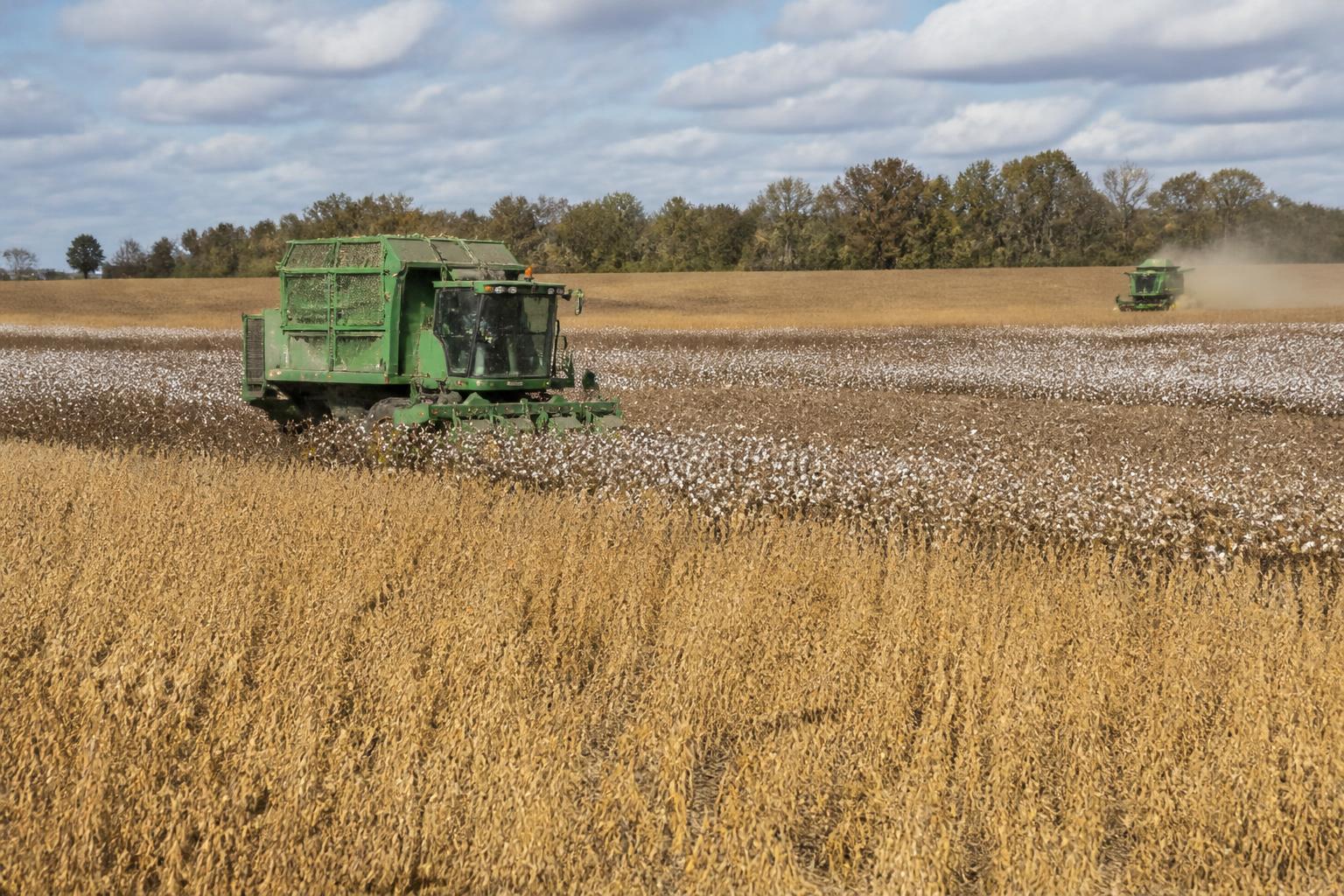
The Arkansas agricultural landscape remains busy as the fall harvest progresses. Across the state, field operations have moved along at a steady clip, with many growers noting that the current harvest pace is ahead of schedule for several key commodities. Favorable weather conditions have provided a much-needed window for producers to clear fields, particularly as cotton finishing operations take advantage of recent dry spells.
Yield Performance and Field Trends
Initial reports from the field are generally encouraging, with corn and rice yields showing strength in early assessments. While regional outcomes naturally vary depending on soil quality and localized rainfall, the overall sentiment regarding production volumes remains positive. However, the focus for many agribusinesses is shifting toward the logistics of storage and the market rebalancing process, especially as certain crop acreages experience shifts.
Navigating Economic Headwinds
Despite the successful physical progress in the fields, the financial backdrop is more complex. Many producers are grappling with significant increases in input expenses, specifically regarding fuel and fertilizer, which have created tangible pressure on operational budgets. These fiscal challenges, compounded by concerns regarding the broader economic climate in the Mid-South, continue to influence long-term financial planning for many family-run and corporate operations throughout the state.
What it means for the market
For grain handlers, carriers, and input suppliers, the intersection of an aggressive harvest pace and tightened margins suggests a high demand for efficient logistics. As elevators move to accommodate the volume, the pressure on margins means farmers are likely to be more selective about procurement strategies. Monitoring local basis levels and fuel surcharges will be critical for all market participants as the final stage of the season concludes.
Comments
No comments yet - be the first to share your take.