
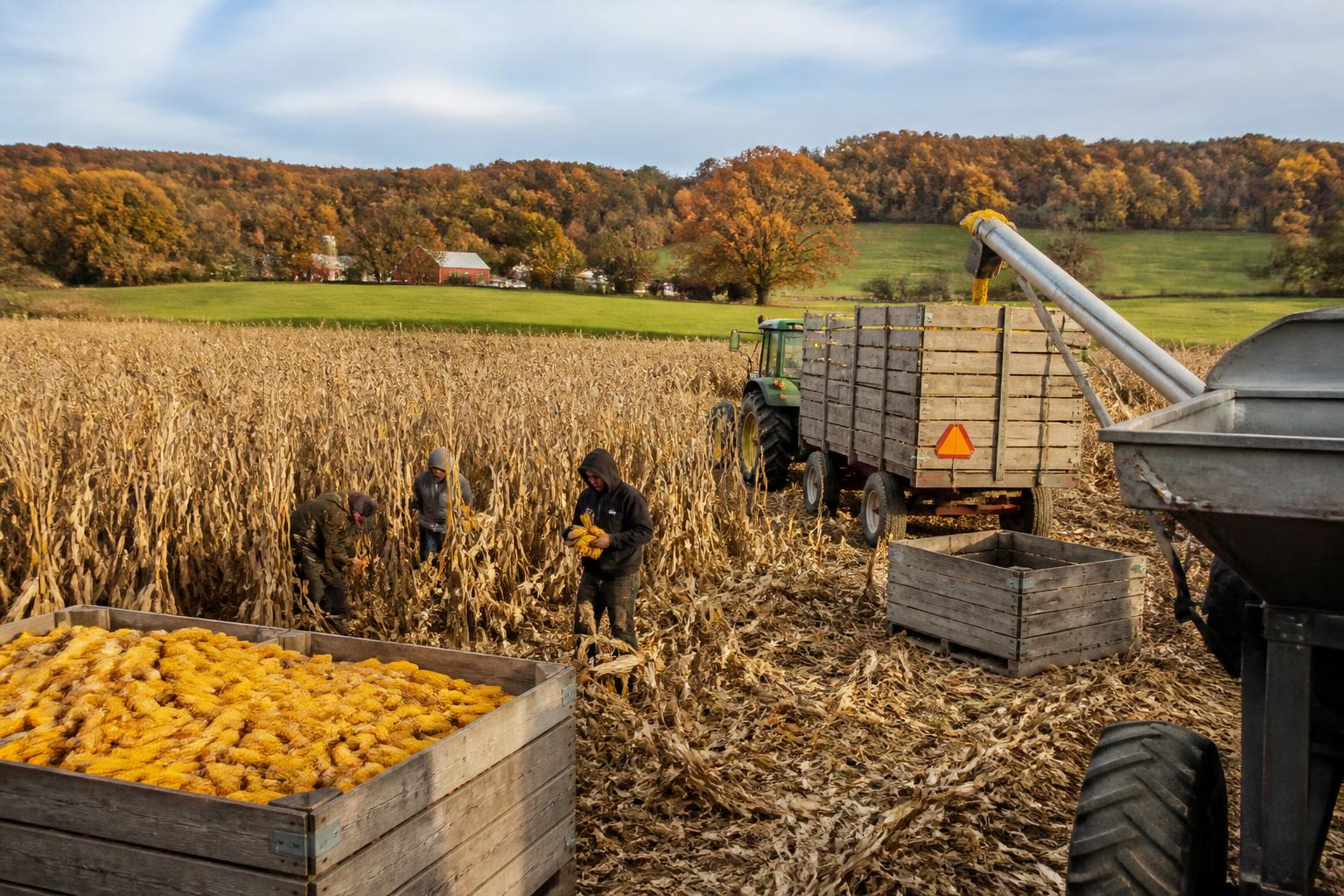
Florida agriculture remains a focal point for both domestic food security and the implementation of advanced crop protection technologies. As growers move deeper into the fall season, the sector is currently navigating the dual challenges of managing exotic pest threats and optimizing input efficiency to protect profit margins. Whether operating in the panhandle or the central peninsula, producers are increasingly turning to data-driven approaches to mitigate risks to high-value specialty crops.
Maintaining a proactive stance on fertilizer and protection management is essential as regional reports suggest that pest pressure remains unpredictable. With the introduction of new exotic threats, the industry is seeing a renewed emphasis on integrated pest management (IPM) strategies, which help growers maintain yields without over-relying on single-mode-of-action applications.
The Shift Toward Precision Input Management
Efficiency is the watchword for Florida agribusinesses this fall. The rise of controlled-release fertilizers and biological control agents, such as beneficial nematodes, indicates a strategic shift. By adopting these technologies, farmers can potentially reduce runoff while ensuring that plants receive nutrients consistently throughout the growing cycle. This is particularly relevant in Florida's sandy soils, where nutrient leaching is a persistent logistical and environmental hurdle.
Building Resilience Against External Pressures
Beyond pest management, the state's agriculture sector continues to integrate regenerative practices that strengthen soil health. These efforts are part of a broader trend where Florida producers are looking for long-term viability in the face of weather-related disruptions. From the consolidation of smaller operations into more robust business models to securing federal produce contracts, the focus is on scaling operations that can withstand both environmental volatility and market fluctuations.
What it means for the market
For grain handlers, input suppliers, and logistics providers, the current landscape demands high levels of operational agility. Growers are prioritizing products that offer demonstrated efficacy and sustainability. As the market moves forward, expect continued investment in crop protection R&D, as both the public and private sectors aim to secure Florida's agricultural productivity against evolving biological and economic pressures.
Comments
No comments yet - be the first to share your take.