
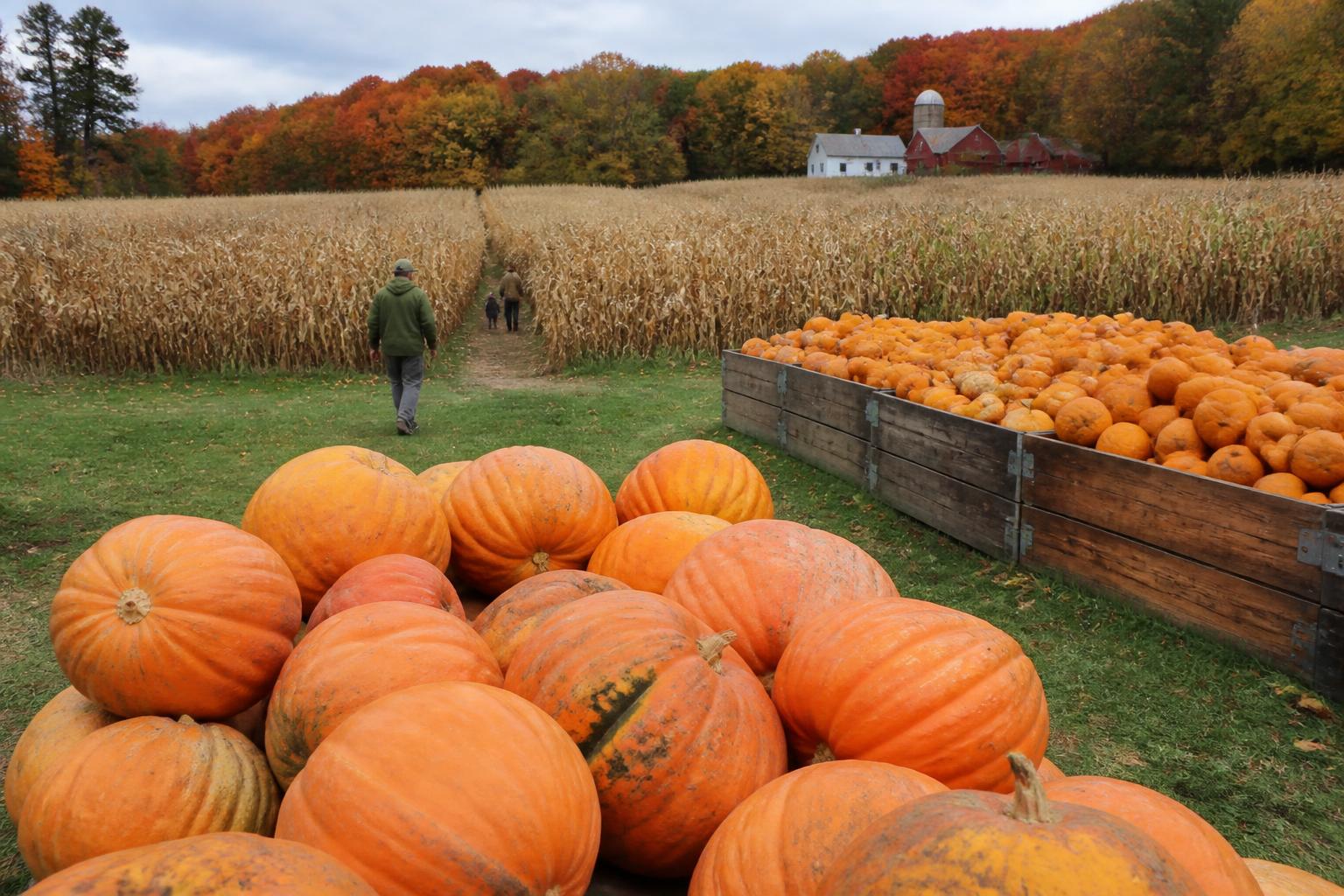
As Maine agriculture moves deeper into the fall, the focus for many producers shifts from active harvesting to protective measures and strategic planning. The current season has presented a complex landscape, with many farmers navigating the lingering impacts of variable weather patterns that have disrupted the typical timing for late-harvest crops like corn and tomatoes. For agribusinesses and grain handlers, this period often requires extra vigilance in maintaining grain quality and soil health as the state prepares for the onset of winter.
Prioritizing Crop Protection and Soil Stewardship
The urgency of the current window cannot be overstated. Effective resource management is critical, especially when addressing the long-term strengthening of Maine's agricultural resilience. Protecting fields now involves careful monitoring of soil moisture and nutrient levels to prevent runoff and erosion before the ground freezes. For those dealing with late-maturing grain crops, implementing robust storage protocols is essential to mitigate losses from moisture variability and potential fungal issues, which can frequently emerge under less-than-ideal drying conditions.
Navigating Economic and Operational Headwinds
Beyond the field, Maine farmers are dealing with significant financial pressures that demand careful attention to input efficiency. As operational margins remain tight, producers are increasingly looking for ways to optimize their resource allocation. Whether it is adjusting adjuvant applications or re-evaluating seed choices for upcoming cycles, the current economic climate encourages a conservative approach to spending. Many growers are also exploring opportunities for diversification to hedge against environmental risks, ensuring that their operations can better withstand future volatility.
Planning for Future Infrastructure Needs
As the season winds down, many in the grain and production sectors are turning their attention toward necessary infrastructure upgrades. Addressing the need for improved handling and storage capacity often becomes a priority during the colder months when field activity subsides. By focusing on infrastructure investments in Maine’s grain sector, producers can improve their agility in managing harvests that may be affected by inconsistent seasonal patterns, ultimately contributing to more stable supply chain outcomes.
What it means for the market
For the Maine agricultural market, this period serves as a critical bridge. Success in the upcoming year will likely depend on the protective measures taken today. Producers who prioritize soil integrity and cautious, data-driven input management are well-positioned to maintain stability. Meanwhile, carriers and local storage facilities should prepare for continued reliance on localized, high-quality inventory management as the region navigates current environmental and economic hurdles.
Comments
No comments yet - be the first to share your take.