
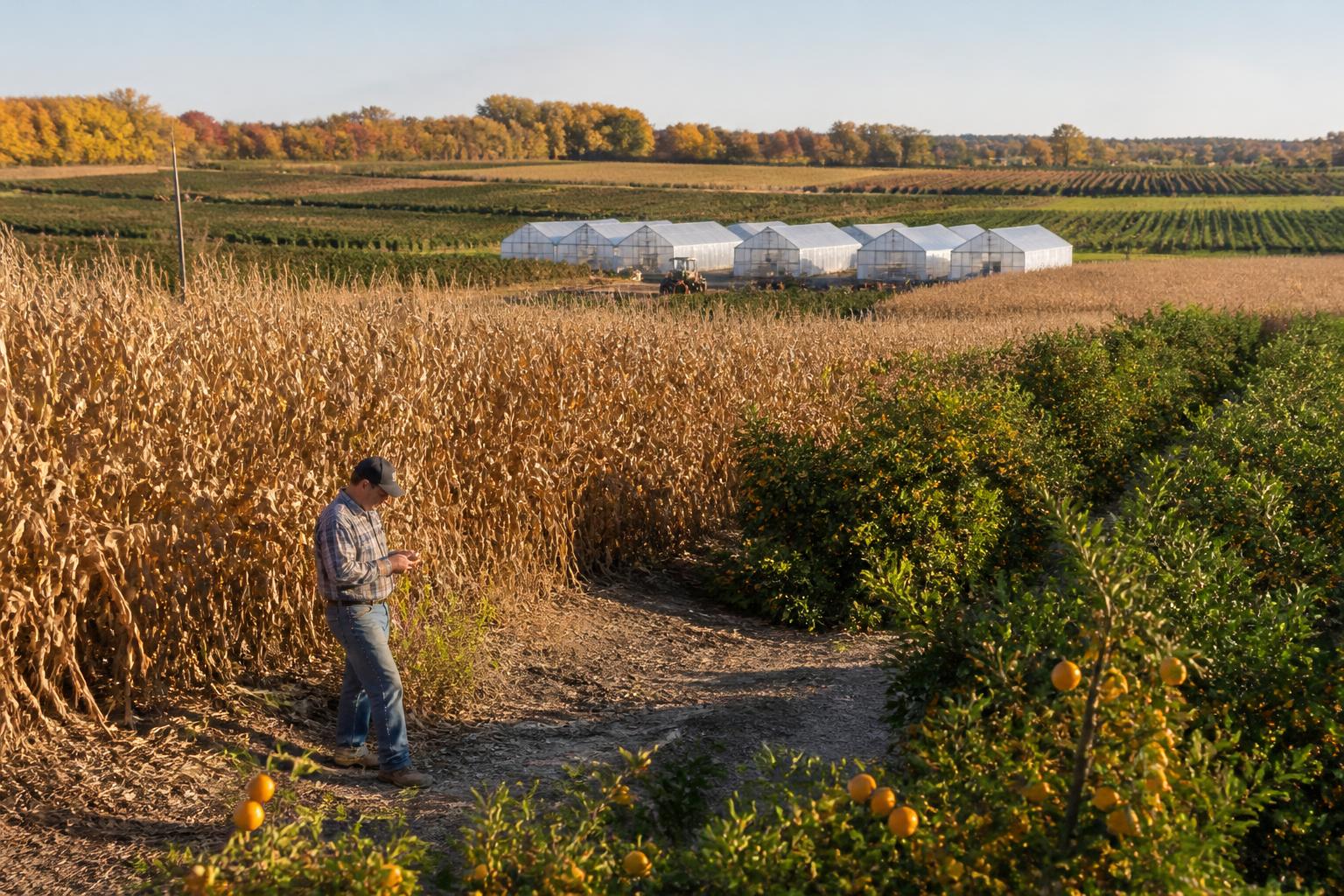
As California enters the peak of fall activity, the focus for many growers shifts toward protecting field investments and ensuring long-term crop health. With the harvest season well underway, maintaining rigorous biosecurity measures and adhering strictly to application protocols remain essential for safeguarding yield quality against both established pests and potential invasive threats.
Effective crop protection strategies in California often rely on a nuanced, integrated approach. Whether managing orchards in the Central Valley or specialized crops in coastal regions, industry experts emphasize that the foundation of any successful protection plan is the diligent reading and implementation of product labels. Beyond simple compliance, understanding the full scope of application instructions is a vital step for risk management and maximizing the efficacy of inputs.
Navigating Modern Biosecurity and Integrated Management
Integrated pest management, or IPM, continues to evolve as growers face mounting pressure from uninvited pests. In many regions, the challenge of mitigating damage requires a proactive stance, combining chemical, biological, and cultural controls. This strategy is critical for those navigating heightened biosecurity alerts that often characterize the fall months.
Furthermore, staying informed about evolving operational pressures allows producers to adjust their practices in real-time. Whether it is responding to specific invasive species or managing the impacts of climatic variations on pest cycles, the ability to pivot remains a hallmark of resilient California agricultural enterprises.
The Role of Strategic Planning
Reliability in crop protection is not just about the chemistry used; it involves careful orchestration of timing and resource allocation. As growers review their protection needs, navigating regulatory pressures and accessing available support programs can provide a significant buffer against unforeseen volatility. Keeping a clear view of these resources ensures that farm operations can maintain steady production despite market or environmental disruptions.
What it means for the market: For growers and agribusinesses, the current period underscores the value of precision in application and vigilance in monitoring. By prioritizing label integrity and integrated health approaches, producers are better positioned to protect their harvest and minimize input waste, ultimately contributing to a more stable bottom line as they prepare for the winter months.
Comments
No comments yet - be the first to share your take.