
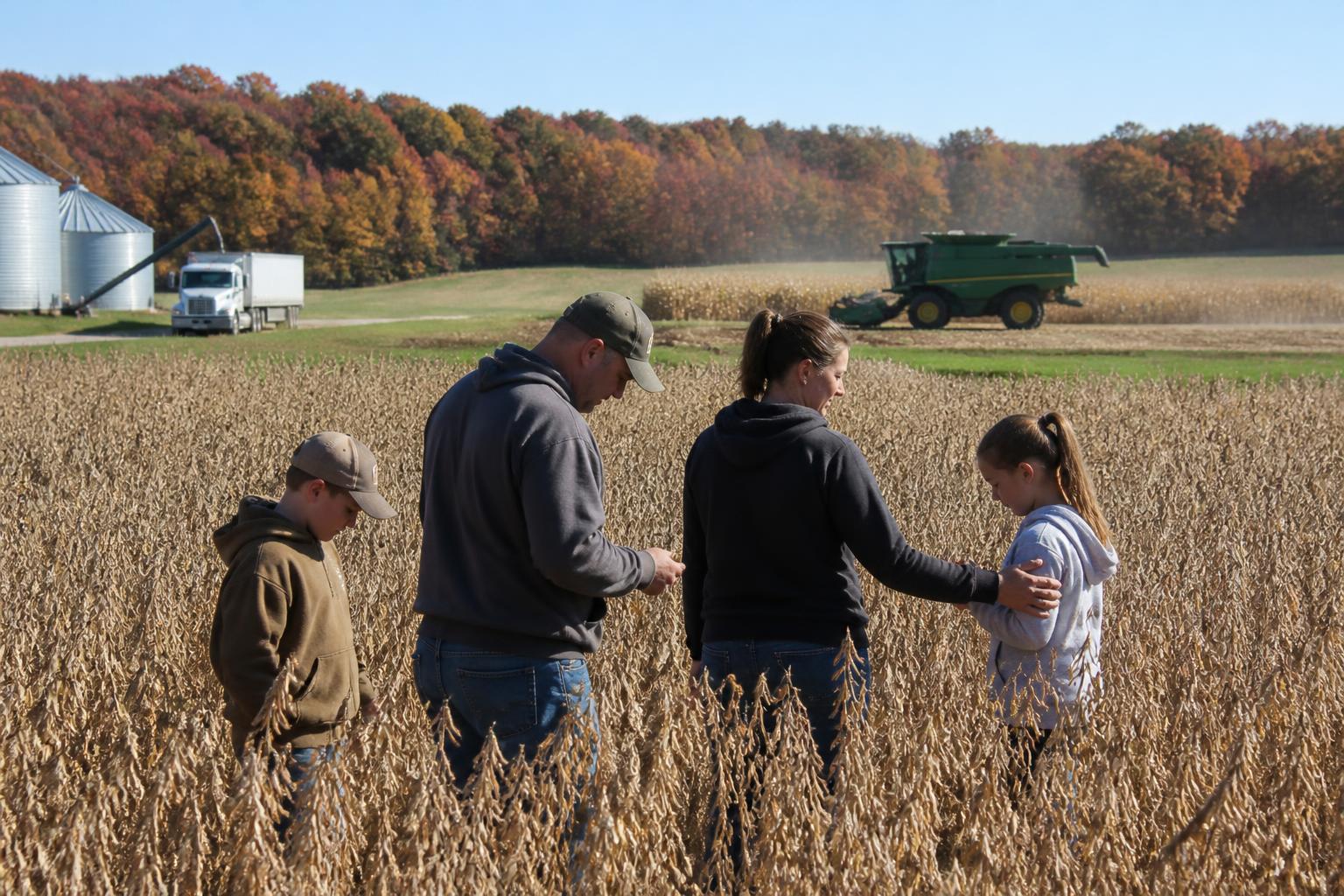
Wisconsin producers are currently deep into the fall harvest, with corn and soybean activity moving through regional elevators and processing facilities. As grain volume increases, the intersection of heavy agricultural equipment and standard highway traffic requires heightened awareness and strategic route planning across the state. Producers are encouraged to keep safety protocols top of mind when navigating regional corridors during this peak seasonal window.
Infrastructure Updates and Transit Efficiency
With ongoing state-level investments into rural road improvements, some local routes may experience intermittent adjustments to weight limits or traffic patterns. Keeping informed about these changes is essential for maintaining efficient grain movement. For those managing complex hauls, streamlining seasonal terminal flow remains a top priority to avoid unnecessary delays during the busiest weeks of the season.
Managing Seasonal Logistical Pressure
The convergence of harvest speed and logistics management often creates bottlenecks near key transit hubs. Farmers are reminded to coordinate closely with local elevators and transport partners to anticipate wait times. While regional infrastructure projects aim to bolster long-term capacity, current conditions require patience and flexibility as harvest traffic persists on rural secondary roads and major state arteries alike.
What it means for the market
Effective logistics management during the harvest peak is a key component of protecting profit margins. By proactively monitoring road conditions and communicating with terminal operators, Wisconsin agribusinesses can minimize downtime and ensure that grain remains moving smoothly from the field to storage or export-ready facilities.
Comments
No comments yet - be the first to share your take.