
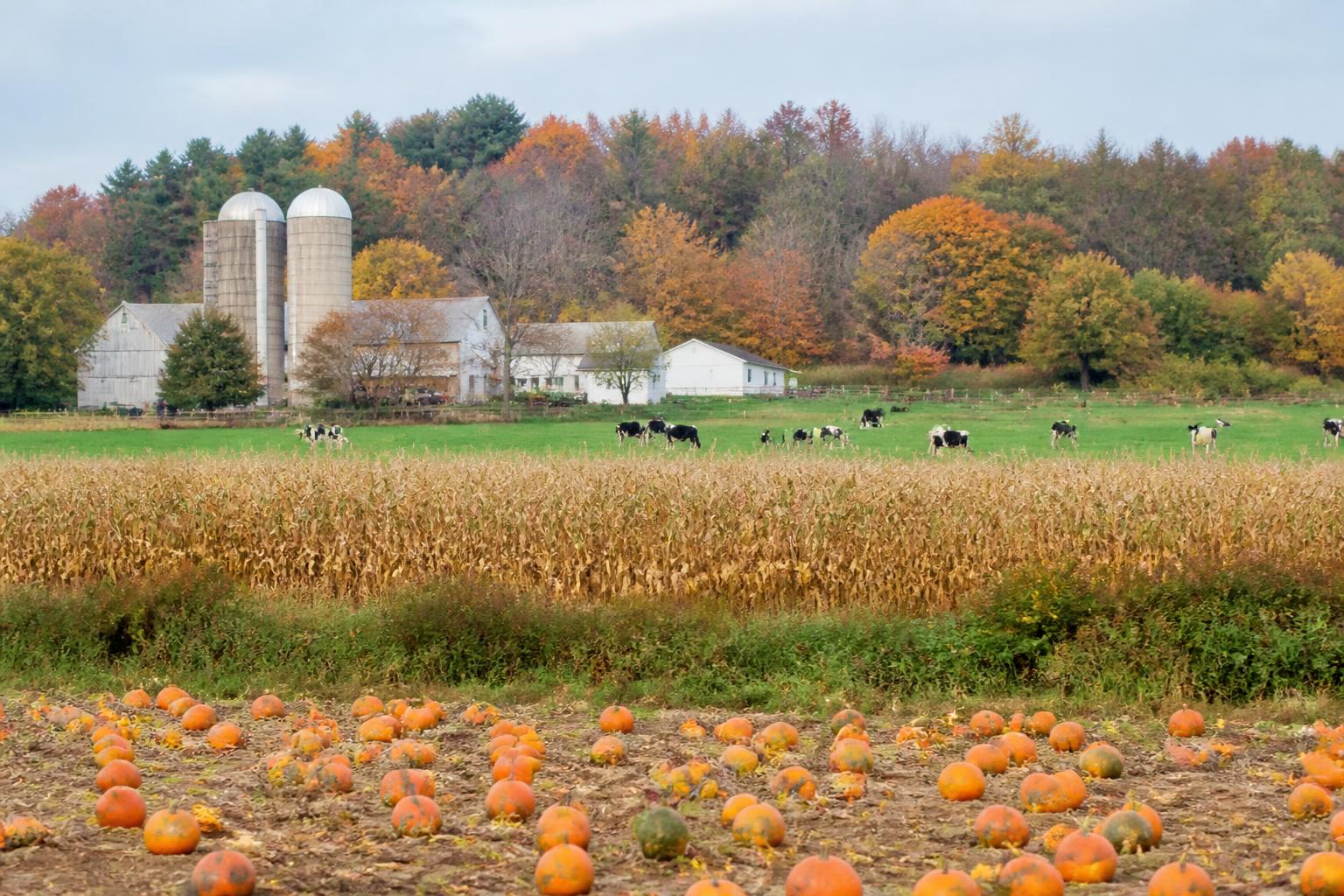
The Wisconsin harvest season is in full swing, bringing a typical surge in rural traffic and logistics requirements across the state's agricultural corridors. For grain handlers, terminal managers, and carriers, this period requires precise coordination to navigate the temporary congestion often associated with peak movement from field to elevator. Balancing the volume of regional output with available transport capacity is essential for maintaining smooth supply chain operations through the autumn months.
As operations accelerate, maintaining communication between farm-gate logistics and regional grain terminals can help mitigate bottlenecks. Efficient turnover times remain a primary goal for many operators looking to manage the flow of commodities effectively during this high-activity season. Producers are also increasingly focused on diversified crop rotations, such as integrating more wheat, which may influence long-term logistics planning and terminal utilization patterns.
Infrastructure and Market Dynamics
Beyond the immediate transport of grain, Wisconsin's agricultural landscape is seeing broader investments that impact regional logistics. Recent corporate developments, such as expanded facilities in Jefferson County, underscore the ongoing reliance on local crop production to drive commercial processing activity. These investments often necessitate a stable and efficient transport network to support sustained demand for raw materials.
Furthermore, staying updated on the shifting pressures on farm-gate logistics remains critical for those looking to optimize their cost structures. With the fall season in full effect, keeping abreast of both local terminal capacity and broader infrastructure trends can provide a competitive edge in managing the complexities of the current harvest environment.
Maintaining Efficiency Amidst Activity
For many agribusinesses, the combination of high seasonal volumes and evolving biosecurity requirements, such as managing risks in livestock sectors or preventing crop-specific diseases, adds layers of complexity to daily transport management. As logistics managers navigate these varied responsibilities, ensuring that safety and quality protocols are maintained while moving product efficiently is paramount. Understanding the broader state infrastructure context can help operators anticipate potential disruptions before they impact their bottom line.
What it means for the market
The current harvest landscape in Wisconsin requires proactive logistics planning to navigate seasonal traffic. By focusing on terminal communication and monitoring long-term infrastructure shifts, grain handlers and producers can better manage the flow of commodities, ensuring that the necessary output reaches its destination despite the inherent challenges of the fall surge.
Comments
No comments yet - be the first to share your take.