
Regulatory Oversight and Field Protection
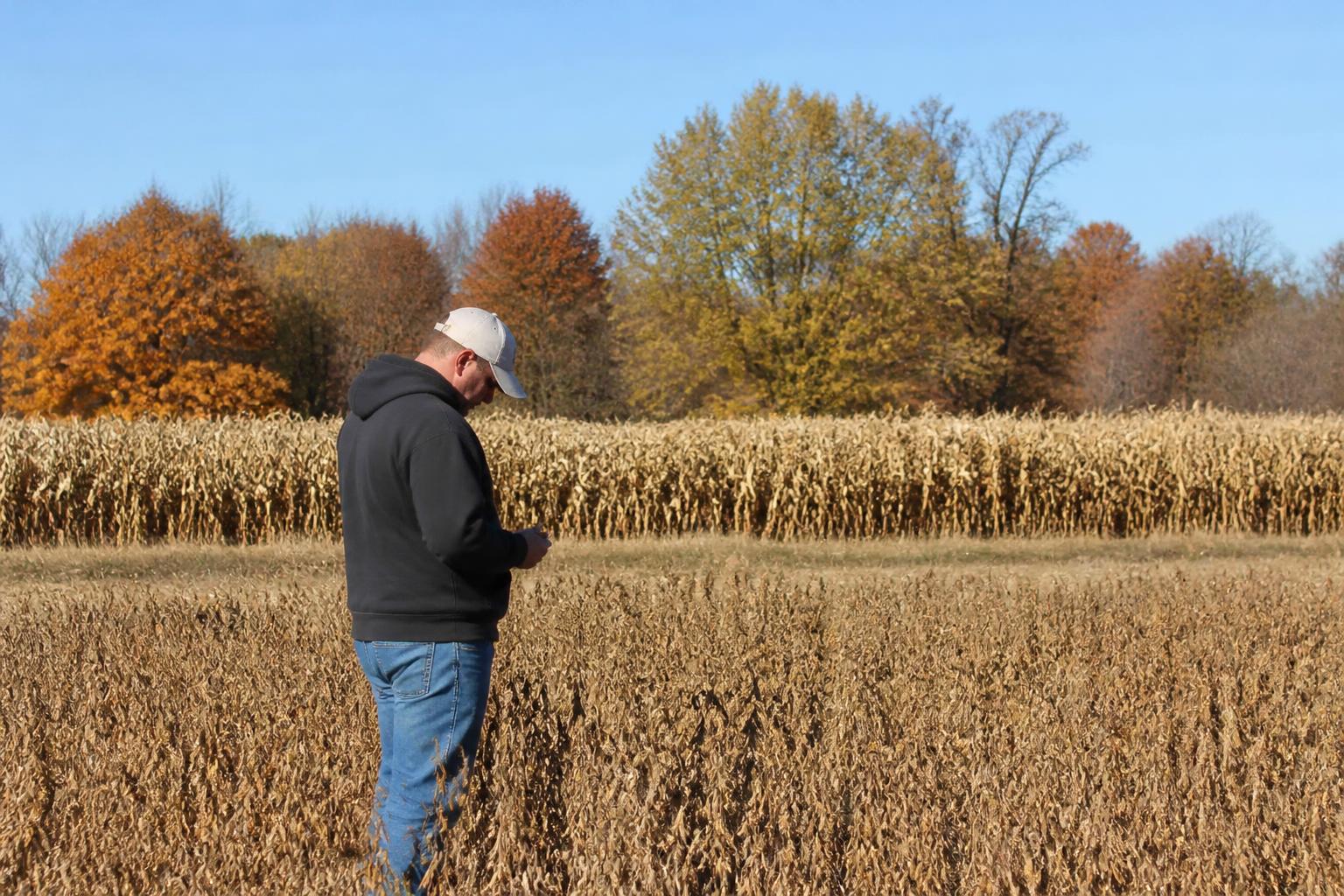
Nebraska producers are increasingly voicing concerns regarding the future of essential crop protection tools. As the industry navigates a complex regulatory environment, concerns have been raised by state delegations that activists may pursue efforts to restrict specific inputs. For farmers across the state, these tools remain a cornerstone of maintaining consistent yields, especially during years where weather volatility significantly impacts production outcomes.
Input Efficiency and Economic Reality
The conversation around crop protection does not exist in a vacuum. Many producers are already grappling with tighter margins driven by rising irrigation costs and fuel expenses. As harvest activity winds down across Nebraska's major agricultural hubs, the focus is shifting toward long-term operational resilience. For many, this means evaluating the broader intersection of logistics, input strategies, and market access, ensuring that the farm remains viable in an era of shifting rotations and evolving crop requirements.
Adapting to Operational Pressures
The resilience of the Nebraska agricultural sector is currently being tested by a combination of weather-related yield pressure and persistent input inflation. While some regions have reported record soybean yields, the broader reality remains one of adaptation. Farmers are balancing the immediate need for effective pest and weed management with the necessity of maintaining a sustainable cost structure. This balancing act remains central to decision-making as operators plan for the upcoming production cycle and assess the availability and viability of existing crop protection programs.
What it means for the market
For agribusinesses and input suppliers, the climate suggests a high degree of sensitivity regarding supply chains and regulatory status. As producers prioritize cost-efficient and high-efficacy solutions, market players should expect increased demand for diagnostic services and integrated management strategies that minimize waste while maximizing the effectiveness of available crop protection resources.
Comments
No comments yet - be the first to share your take.