
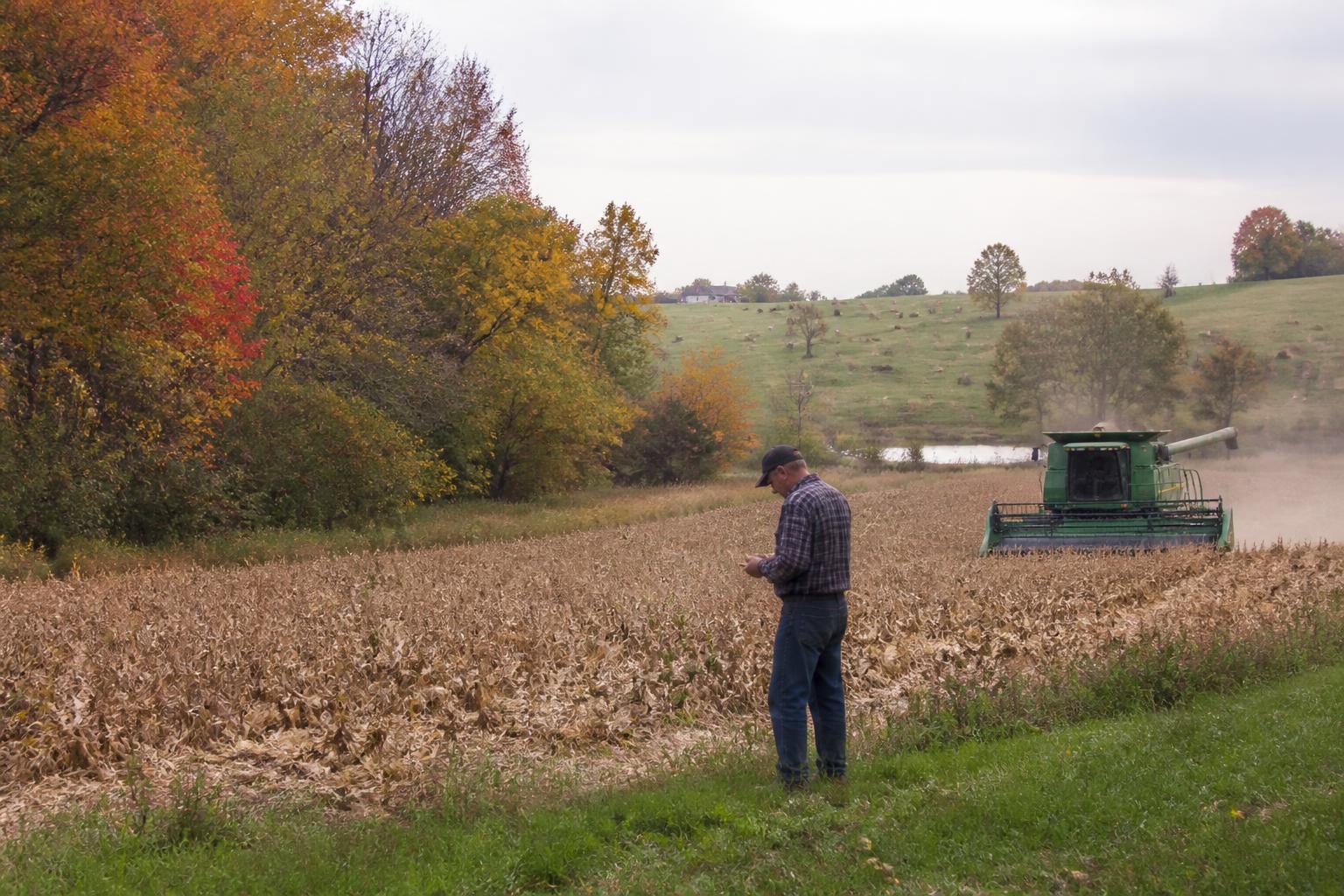
For Tennessee producers, the tail end of October marks a pivotal window for soil management and input planning. With the navigating yield success amid rising input pressures becoming a central theme this season, recent developments regarding state-level cost-share support provide a needed financial cushion. These funds, intended to assist with operational investments, are increasingly vital as farmers evaluate their fertilizer programs for winter cover crops and early-stage planning for next year.
Effective management remains critical as local logistics tighten. Many growers across Middle and West Tennessee are balancing equipment maintenance with the final push of harvest, often delaying large-scale fertility applications until fields clear. Proactive coordination with regional fertilizer suppliers can help mitigate supply bottlenecks, ensuring that essential nitrogen, phosphorus, and potassium blends are staged appropriately as producers face cost pressures as fall harvest moves forward.
Aligning Input Strategy with Financial Incentives
The announcement of recent AgTrack cost-share recipients highlights a shifting landscape where state resources are increasingly directed toward operational efficiency. For those evaluating their bottom lines, it is essential to monitor how these programs apply to soil testing and the purchase of necessary soil amendments. While market conditions fluctuate, the integration of state aid can help stabilize the cost of inputs that are typically sensitive to global logistics and distribution disruptions.
As you plan your upcoming fertility schedule, keep in mind that regional demand often peaks during late fall as producers aim to stabilize fields before winter dormancy. Engaging early with local agricultural extensions and suppliers—who are currently managing the seasonal surge in traffic across major state corridors—is a practical step to ensure supply continuity for your operation.
Logistics and Seasonal Awareness
Whether you are in the rolling hills of the Cumberland Plateau or the river-heavy plains of the west, the efficiency of your input supply chain is as important as the quality of the product itself. Maintaining clear communication with your cooperative or independent retailer helps manage delivery expectations during this busy harvest season, where road congestion can sometimes delay logistics. Referencing historical performance and current soil analysis remains the gold standard for navigating these input decisions effectively as discussed in recent insights on Tennessee grain markets and logistics.
What it means for the market
For the Tennessee agribusiness sector, the current environment emphasizes the importance of capital preservation. By leveraging state cost-share opportunities and maintaining strict control over input timing, producers can better manage the volatility inherent in modern agricultural markets. The coming weeks will be decisive for establishing a solid foundation for next year's crop, provided that logistics are handled with the same rigor as the financial side of the farm business.
Comments
No comments yet - be the first to share your take.