
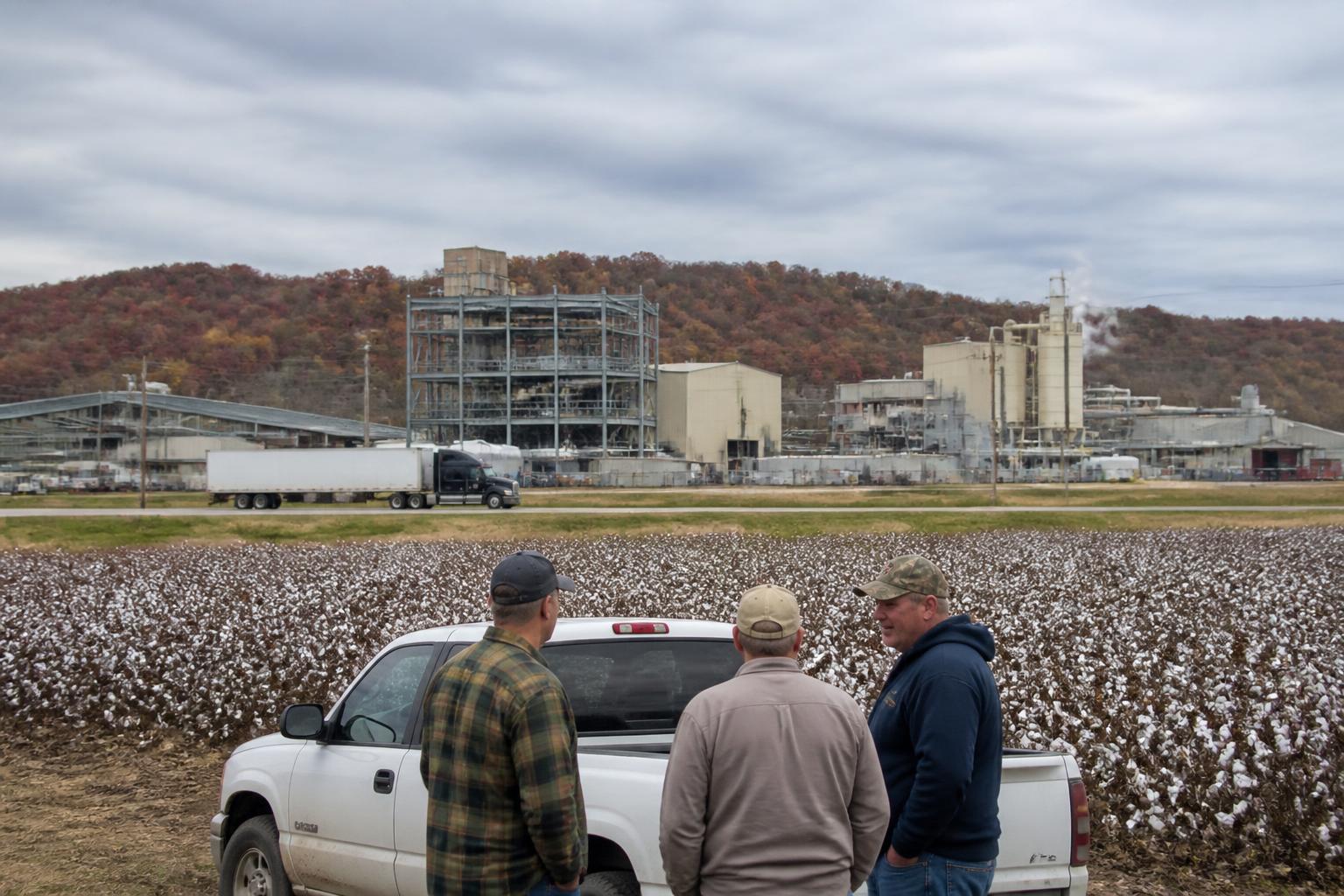
As Arkansas producers push through the final stages of the fall season, the agricultural community remains focused on long-term sustainability amid mounting economic pressures. Reports indicate that farmers across the state are contending with a confluence of challenges, including high input costs and a notable shift in planting intentions, such as the ongoing transition in acreage between traditional staples like rice and alternative crops like cotton.
For those managing logistics and supply chain operations, the current environment necessitates a lean approach to capital and resources. With logistical hurdles impacting the movement of grain and timber, operators are advised to maintain flexible scheduling to account for potential delays at regional hubs. The state continues to see significant shifts in industry infrastructure, as evidenced by major facility expansions and a heightened emphasis on research-driven modernization in greenhouse technology.
Economic Resilience and Land Management
The financial landscape for Arkansas agribusinesses remains strained, with some producers facing the complexities of bankruptcy cycles fueled by the rising costs of necessary inputs. These broader economic indicators are influencing decision-making in the field, where water availability and localized rainfall deficits continue to dictate planting efficacy. Effective inventory management and a clear-eyed assessment of seasonal input requirements may help mitigate some of these external risks as farmers plan for the upcoming cycles.
Infrastructure and Regulatory Considerations
In addition to market shifts, logistics managers should stay alert to regional environmental mandates, including burn bans that are occasionally implemented across several counties due to fire risk. These restrictions can impact field maintenance and residue management operations. Furthermore, with new developments in logistics facilities near hubs like Little Rock, the capacity for regional freight movement is expected to evolve, potentially changing how grain and timber products are routed through the state's corridors.
What it means for the market: For grain handlers and carriers, the combination of tight margins and evolving infrastructure projects suggests that agility is paramount. Monitoring local regulatory updates—especially regarding land management and transport limitations—will be critical to maintaining operational efficiency as the industry navigates this period of structural adjustment.
Comments
No comments yet - be the first to share your take.