
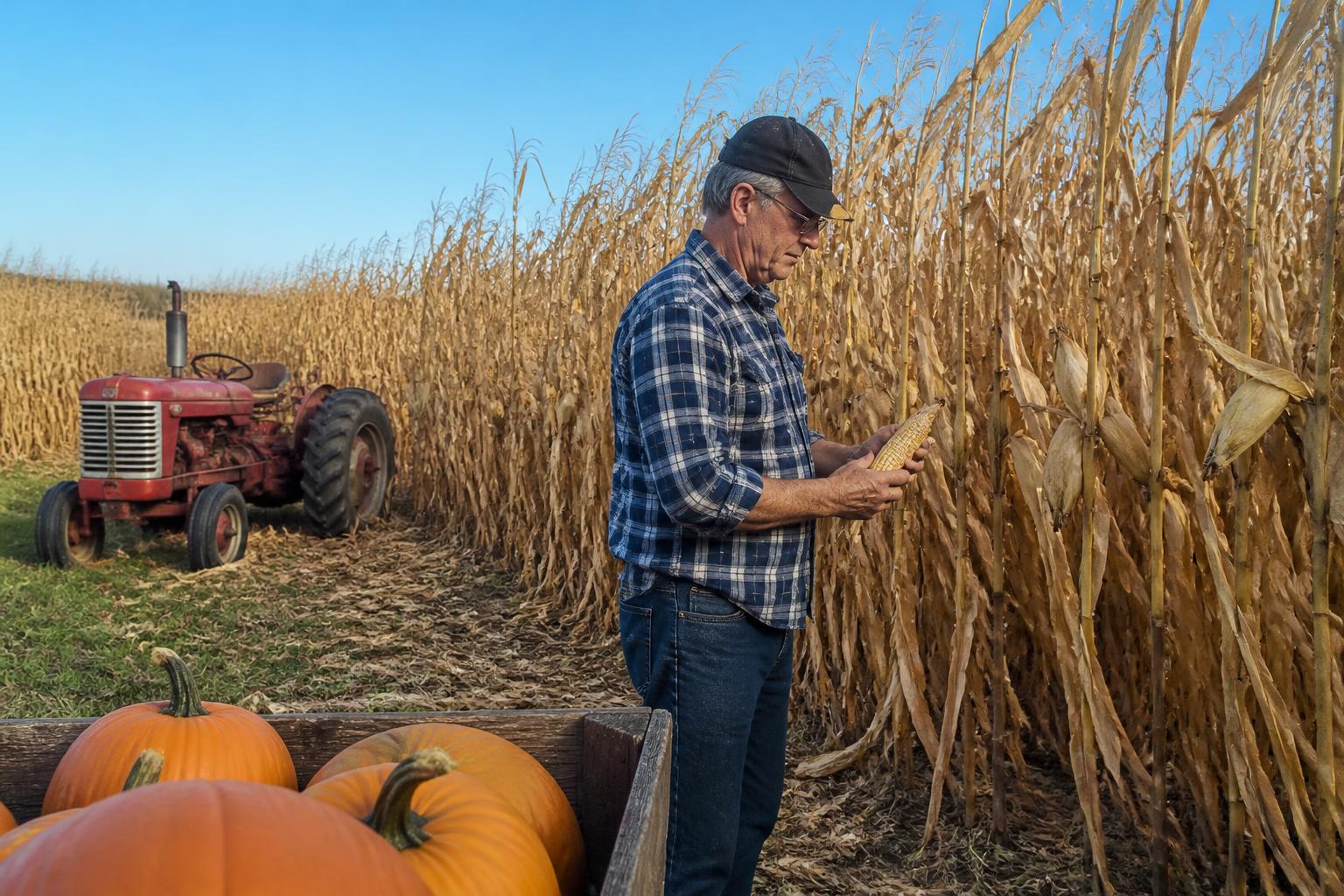
As the Wisconsin harvest season nears its final stages, farmers across the state are navigating a complex late-season landscape. While many regions have seen steady progress in gathering crops, local conditions remain highly variable. In some parts of northwestern Wisconsin, persistent moisture deficits earlier in the year have left an imprint on final yields, prompting producers to carefully monitor bin management and quality metrics.
Managing Field Risks and Infrastructure
Beyond the weather, producers are balancing the standard logistical hurdles of the fall push. As transport corridors experience the typical seasonal uptick in traffic, keeping a close watch on logistics and terminal transit flow remains a priority for efficient grain movement. Early in the season, field scouting also highlighted the presence of black cutworm moths in various counties, serving as a reminder that integrated pest management and field health strategies are vital throughout the entire production cycle.
Market Outlook and Regional Resilience
Statewide, the agricultural sector continues to show its characteristic resilience. Even as cash prices for corn, wheat, and soybeans fluctuate in response to broader Midwest and Gulf trends, Wisconsin agribusinesses are actively pursuing growth. Recent investments in bulk capacity are aimed at bolstering long-term storage and handling efficiency, which could provide more flexibility for handlers during future high-volume windows. Furthermore, ongoing international trade discussions continue to position Wisconsin corn as a competitive player in the global market.
What it means for the market
For Wisconsin grain handlers and producers, the current environment emphasizes the need for operational agility. With the bulk of the harvest shifting toward final storage and processing, focus is now turning to maximizing handling efficiency at terminals and maintaining stable export relationships. Monitoring local moisture levels and adapting to regional yield variances will be critical to navigating the final weeks of this year's harvest cycle.
Comments
No comments yet - be the first to share your take.