
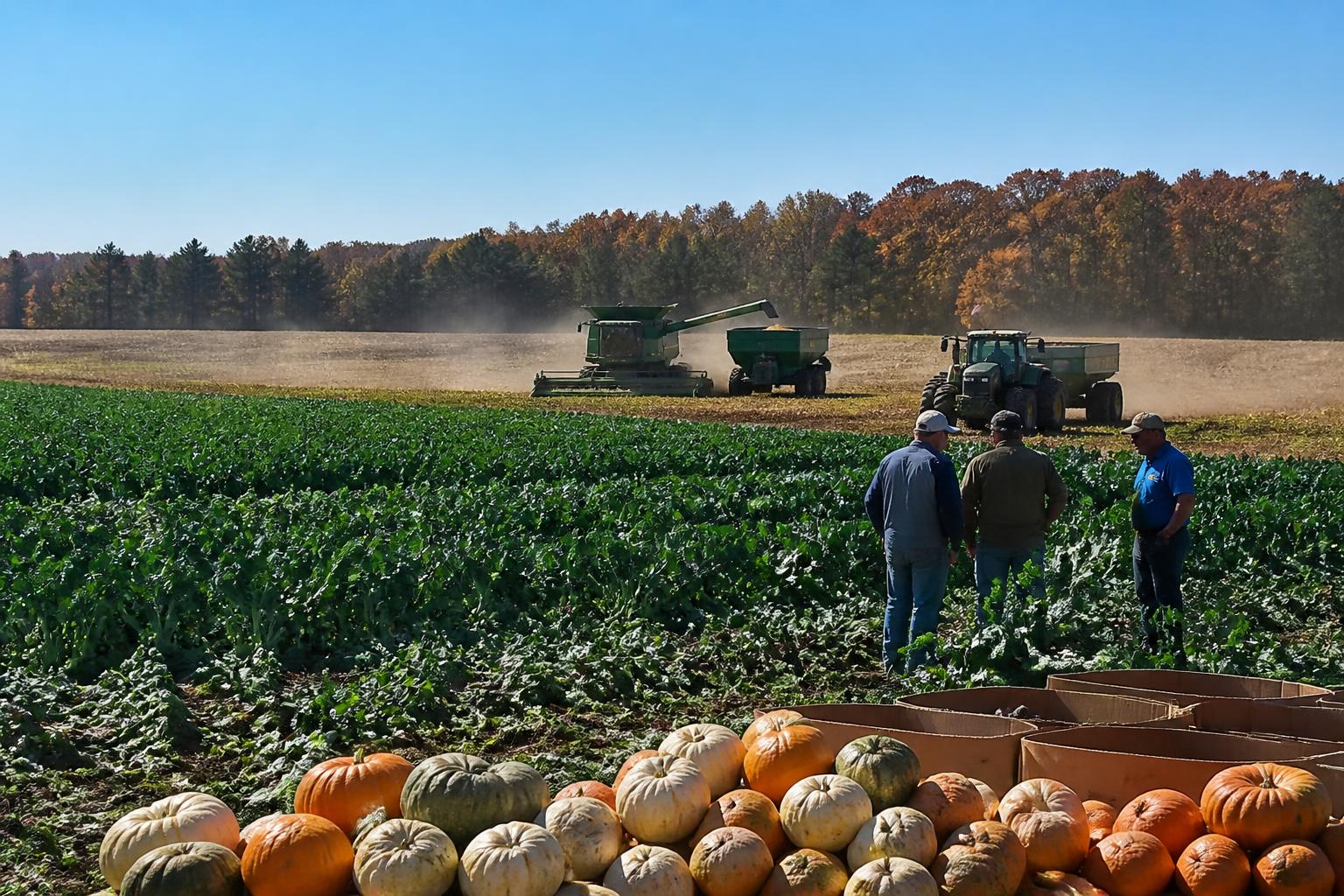
As Georgia transitions into the peak of the fall season, the agricultural landscape remains defined by a complex interplay of input cost management and the ongoing evolution of state logistics infrastructure. For many producers, the current market climate necessitates a heightened focus on operational efficiency, particularly as the sector navigates fluctuations in the pricing and availability of essential farm inputs.
Understanding the state's logistical flow is increasingly critical for grain handlers and carriers alike. With harvest activities pressing against existing capacity, maintaining reliable transit routes from field to facility remains a primary concern for agribusiness managers looking to optimize their margins in an era of persistent price pressure.
Managing Input Volatility in a Shifting Market
Input costs continue to serve as a significant point of stress for the domestic agricultural sector. While Georgia farmers are finding ways to adapt through precision technology and more targeted application strategies, the broader concern regarding the affordability and stability of supply chains remains. Producers are increasingly looking toward long-term resilience, favoring operational pivots that prioritize cost-effectiveness over broad-spectrum usage.
The Intersection of Infrastructure and Efficiency
Infrastructure remains the backbone of the Georgia agricultural economy. As regional transit hubs experience seasonal shifts, the efficiency of road and port corridors is under renewed scrutiny. Agribusinesses that can effectively manage their logistical load-outs during high-demand windows are better positioned to mitigate the risks associated with rising energy and transport expenditures. Effective communication between on-farm managers and regional logistics providers is essential to navigating these bottlenecks without significant service interruptions.
Key Takeaways
- Input cost optimization remains a top priority as growers evaluate their long-term sustainability strategies.
- Infrastructure resilience in Georgia continues to influence the speed and cost of moving seasonal goods to market.
- Strategic planning regarding transportation and storage is vital to buffering against potential sector-wide price volatility.
What it means for the market: The Georgia agricultural market is entering a period where agility is the primary driver of success. By focusing on input efficiency and maintaining a proactive approach to regional logistics, growers and businesses can build the necessary buffer to handle current cost headwinds, ensuring that the critical flow of fall harvests remains steady and profitable.
Comments
No comments yet - be the first to share your take.