
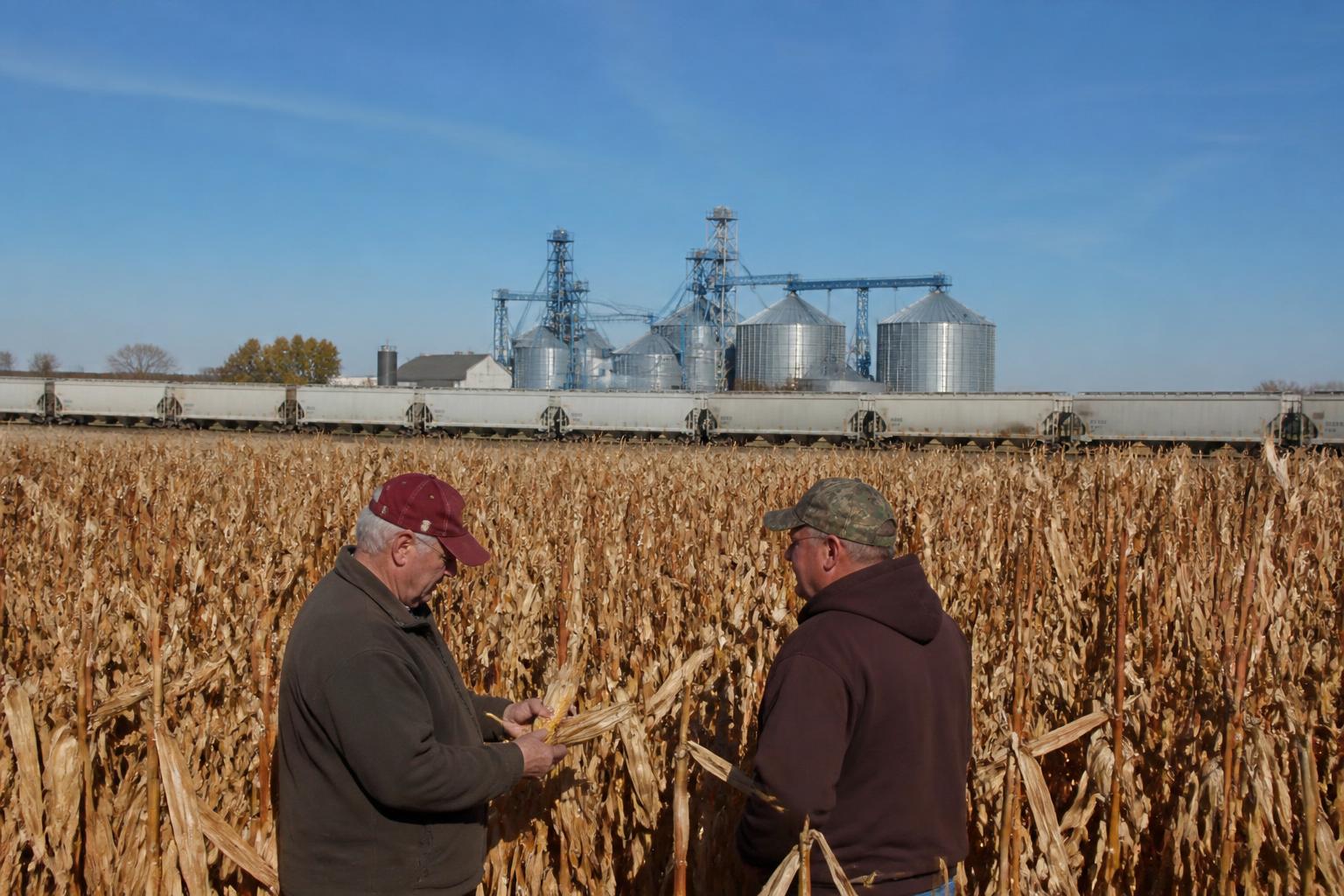
As the fall season progresses, the Texas agricultural landscape is defined by a push for greater efficiency in both logistics and risk management. With harvest activity moving across the state's diverse regions, from the Panhandle to the coastal plains, producers are balancing the promise of improved infrastructure with the reality of persistent economic challenges.
For those managing grain flow, recent developments in the Panhandle are offering a notable boost to efficiency. The completion of new shuttle train facilities, such as those recently finalized near Dalhart, can significantly alter local basis levels by streamlining the connection between inland production and larger, distant markets. This shift in grain handling capability is a timely development for operations looking to move product during peak movement windows.
Navigating Economic and Regulatory Shifts
Despite these logistical gains, many producers are contending with mounting financial pressures. High operational costs, combined with payment delays, are squeezing margins across the Southwest, prompting a closer look at effective farm risk management strategies. Furthermore, the broader grain sector is closely monitoring how market volatility may influence future credit requirements, particularly regarding the potential impact of margin calls on market participants.
Beyond the grain elevator, other regional factors are shaping the operational environment. Advocacy groups, including corn growers from Texas and across the Midwest, are pushing for greater transparency and increased competition in the fertilizer industry to help temper input costs. Meanwhile, those involved in land management and property transactions should be aware of newly adopted disclosure requirements regarding water rights, which add another layer of consideration to the planning process.
Protecting Livestock and Operational Stability
As logistics remain a primary concern, producers are also urged to stay vigilant regarding ongoing biosecurity risks. The recent identification of screwworm cases in parts of the state serves as a reminder of the importance of herd monitoring, especially when transporting livestock across regional boundaries during the fall. Keeping abreast of grain harvest transport hurdles remains vital, as delays on main arterial corridors can have a cascading effect on regional operations.
Key Takeaways
- New shuttle train terminals in the Panhandle are improving localized grain transport capacity.
- Grower associations are actively lobbying for more competitive fertilizer markets.
- New water disclosure mandates are now in effect for Texas land sales, impacting long-term planning.
- Heightened vigilance is required regarding livestock health and transport, given recent reports of parasite activity.
What it means for the market
The Texas grain sector is currently experiencing a tug-of-war between improved logistical infrastructure and broad economic headwinds. While the expansion of shuttle-loading capacity offers a pathway to better capture market opportunities, the combination of high input costs and potential financial volatility means that producers must prioritize flexible risk management. For stakeholders, staying informed on export basis and logistics will be essential for navigating the remainder of the harvest season successfully.
Comments
No comments yet - be the first to share your take.