
As summer temperatures rise across New England, Massachusetts growers and dairy producers are facing a dynamic landscape of shifting grain supplies and rising operating costs. For local grain handlers and dairy operations, staying ahead means managing summer volatility and equipment efficiency to maintain steady margins. From the fertile fields of the Pioneer Valley to the rolling hills of Franklin County, regional operations are closely watching national planting shifts and local logistical constraints.
While Massachusetts is not a primary grain exporter, the state's vibrant livestock and dairy sectors rely heavily on imported feed grains. Operations like Peila's Creamery in Gill, which maintains deep, multi-generational ties to the local agricultural land, exemplify the close relationship between land stewardship, dairy health, and feed consistency. Consequently, shifts in regional grain pricing directly affect local livestock production costs.
Acreage Shifts and Regional Pricing Pressure
According to the latest 2026 USDA report, national agricultural patterns have taken a noticeable turn, with overall corn acreage trending down while soybean plantings have increased. This shift in planting dynamics has sent ripples through the feed supply chain. Regional feed buyers are monitoring these shifts as they manage their summer purchasing strategies. Keeping a close eye on the latest Massachusetts wheat and grain insights remains crucial as regional bids fluctuate.
Recent regional pricing indicators, including the Portland daily grain bids report from June 22, 2026, show steady movement in wheat and oats prices. For Massachusetts dairy farmers, optimizing feed rations under these changing market conditions requires a careful balance between nutritional requirements and grain procurement costs. For regional crop producers, keeping up with these shifts requires navigating volatility and tech solutions in summer 2026.
Enhancing Efficiency on the Farm
With profit margins under pressure, agricultural businesses are looking for ways to balance the costs of upgrading machinery with the long-term gains of increased operational efficiency. Upgrading farm equipment in uncertain times is a challenging prospect, but selective capital investments are proving their worth on the ground:
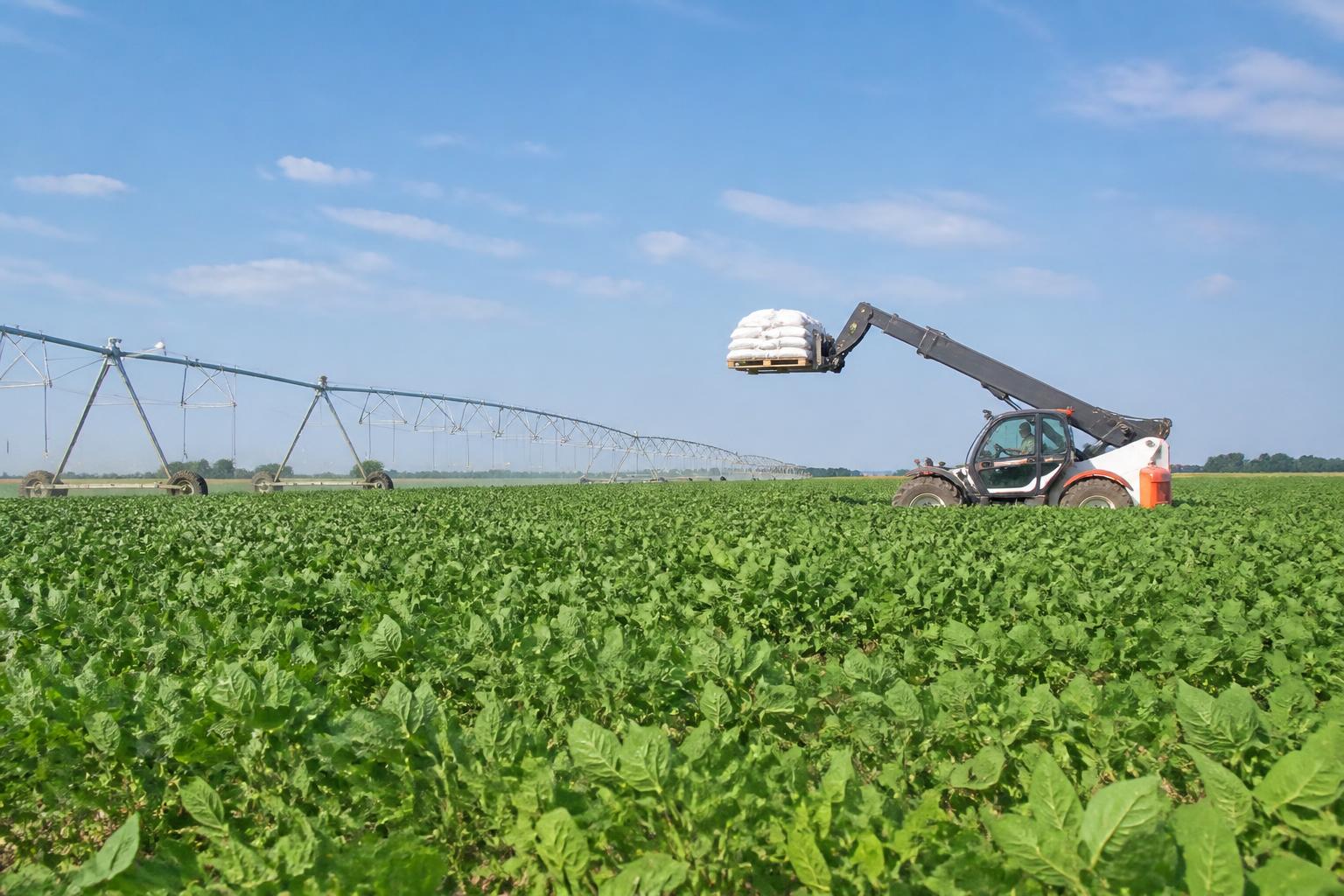
- Versatile Material Handling: New machinery designs, such as JLG's latest telehandlers, are helping operators streamline forage, hay, and grain handling in tight New England barn spaces.
- Smart Irrigation: Center pivot systems remain a primary key to farm irrigation efficiency, ensuring crop resilience during dry summer spells.
- Precision Input Management: The global liquid fertilizers market is projected to reach USD 19,207.4 million by 2031, growing at a 3.5% CAGR. Massachusetts farmers are increasingly adopting precision agriculture technologies, integrating smart sensors and IoT devices to optimize these liquid inputs and minimize waste.
Environmental Guardrails and Chemical Compliance
As sustainability remains a core focus of Massachusetts agriculture, regulatory compliance and environmental safety are top-of-mind for local growers. A recent legal order requiring Bayer to halt advertisements describing a specific pesticide as "vitamins for plants"-due to its toxicity to bees-highlights the intensifying scrutiny on crop protection inputs. Bay State growers are actively adapting to these strict standards by implementing safer application practices that protect critical local pollinator populations while safeguarding crop yields.
What it means for the market
For the Massachusetts agricultural sector, the combination of shifting national grain acreage, high input costs, and strict environmental regulations requires a highly disciplined approach to resource management. By investing in versatile machinery, utilizing precision irrigation, and monitoring feed market fluctuations, local dairies and growers can successfully navigate the summer heat. Staying flexible and leveraging technology will be the defining factors for agricultural profitability through the remainder of the 2026 season.
Comments
No comments yet - be the first to share your take.