
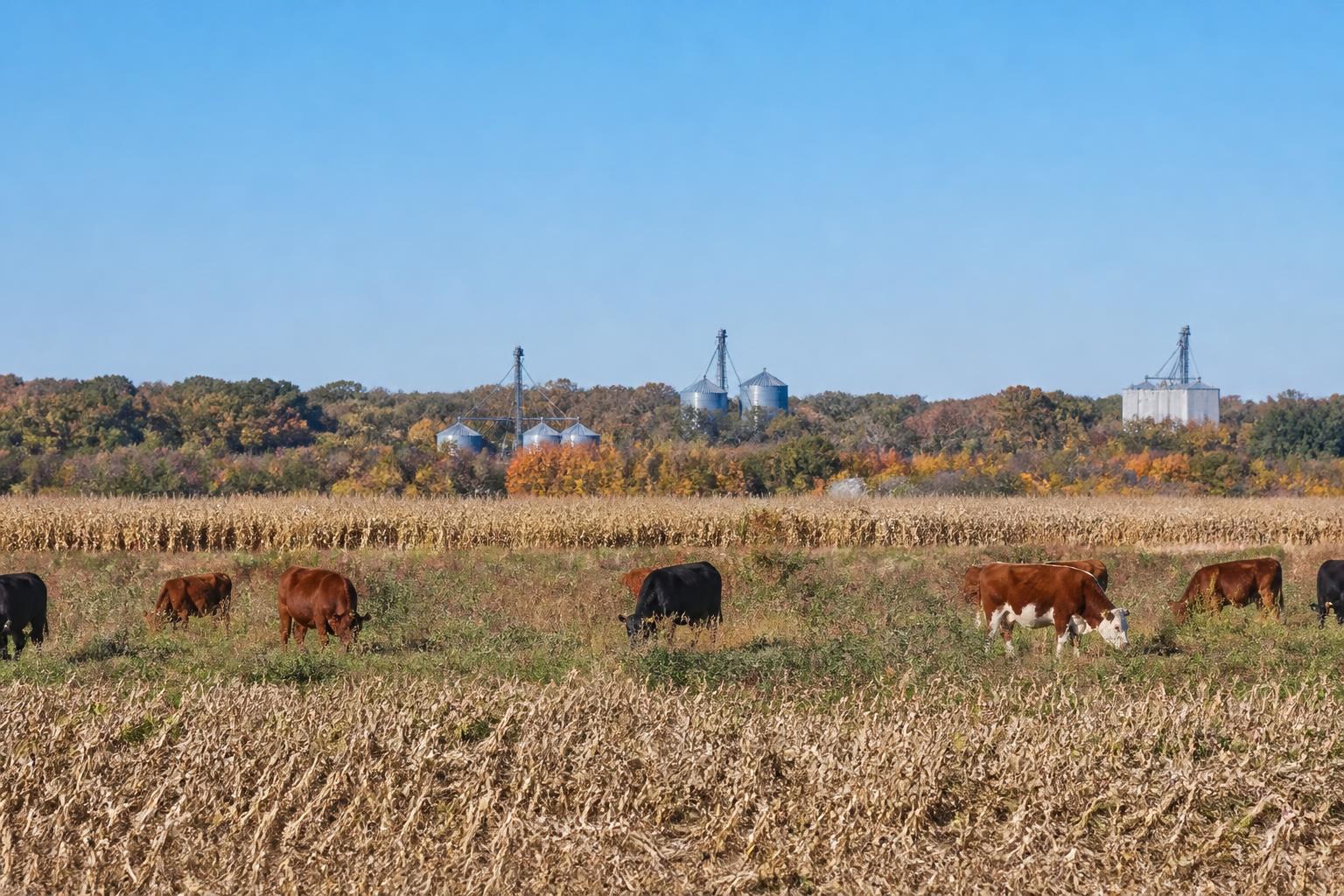
With Minnesota corn harvest progress hitting key benchmarks as the season shifts toward completion, local producers and grain handlers are balancing steady field activity against evolving logistical constraints. Efficient movement of the crop remains a primary focus, particularly as regional elevator networks adjust their operational footprint to meet shifting market demands.
Recent adjustments in facility operations, such as the consolidation or closure of certain grain storage sites, have forced local logistics managers to rethink traditional hauling routes. For operators in areas like the southeast part of the state, these changes often mean increased transit distances to secondary load-out points, which can impact local grain storage logistics and delivery timelines during the height of the fall rush.
Input Market Volatility Impacts Fertilizer Planning
Beyond the immediate demands of the harvest, input buyers are keeping a close watch on the fertilizer market. Supply chain pressures, compounded by fluctuating energy costs and global geopolitical tensions, have driven up prices for essential nutrients. Many producers are now weighing potential cutbacks, specifically regarding phosphate applications, as they assess their financial risk profiles for the upcoming season.
This environment has prompted some regional agribusinesses to focus on helping growers navigate complex policy shifts, such as changes to the 45Z tax credit for ethanol production. Integrating these tax incentives into farm management strategies is becoming an essential component for operations looking to mitigate the impact of elevated input expenses.
Infrastructure and Market Stability
For those managing large-scale operations, the current climate underscores the necessity of proactive infrastructure planning. Whether it is addressing infrastructure constraints through private storage or coordinating more closely with regional cooperatives, the goal remains the same: minimizing bottlenecks that can arise during peak moisture and harvest windows.
The uncertainty regarding long-term agricultural policy, including the extended absence of a new farm bill, continues to weigh on producer sentiment. Navigating these macro factors alongside immediate operational concerns like field conditions requires a cautious, data-driven approach to both harvest and input procurement.
What it means for the market
Farmers and agribusinesses should anticipate continued volatility in both logistics costs and input pricing as the harvest concludes. The focus for the coming weeks will likely shift toward optimizing post-harvest grain movement and finalizing fertilizer procurement strategies to insulate against potential supply gaps in early 2027.
Comments
No comments yet - be the first to share your take.