
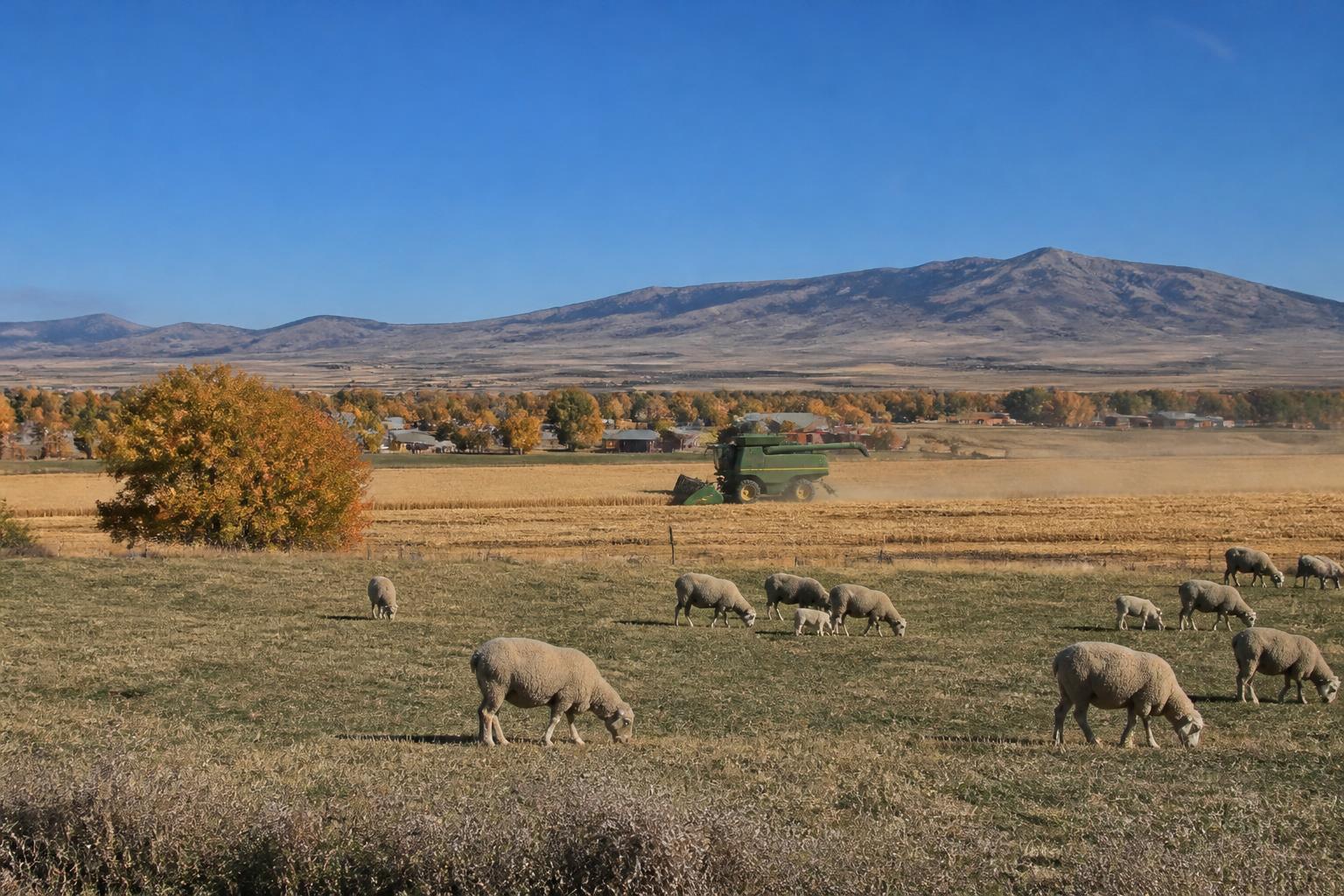
As the Wyoming harvest season wraps up, many producers are turning their attention to soil health and preparing for the upcoming cycle. Managing input costs remains a primary concern for local agribusinesses, particularly as regional water management discussions and shifting agricultural policy begin to influence long-term planning for fertilizer application and soil amendments.
Producers navigating the current fall market environment are increasingly focused on efficiencies that mitigate rising operational costs. Whether dealing with traditional nitrogen-based fertilizers or exploring innovative soil amendments, the focus across the state is on maximizing utility before the winter ground freeze sets in.
Water Access and Input Planning
The intersection of water rights and soil management is becoming more pronounced in parts of Wyoming. For many grain handlers and input buyers, the certainty of water access directly dictates the viability of specific fertilizer programs. With ongoing water discussions affecting local operations, farmers are encouraged to build flexibility into their input budgets to account for potential shifts in crop rotation or land use strategies for the next growing season.
Strategic Leadership in Agriculture
The recent election of Wyoming's own Doug Miyamoto as president of the National Association of State Departments of Agriculture (NASDA) brings a local perspective to the national conversation on agricultural infrastructure and input security. This leadership role may foster better communication regarding supply chain logistics and the resources available to producers facing regional input challenges.
What it means for the market
For growers and agribusinesses, the takeaway is clear: prioritize soil testing and early-season procurement. Given the volatility in regional water outlooks, aligning your fertilization strategy with realistic crop yields and moisture availability is essential to controlling costs. Staying informed on regional developments, including how state leadership priorities shift, will be vital for managing risk throughout the dormant season.
Comments
No comments yet - be the first to share your take.