
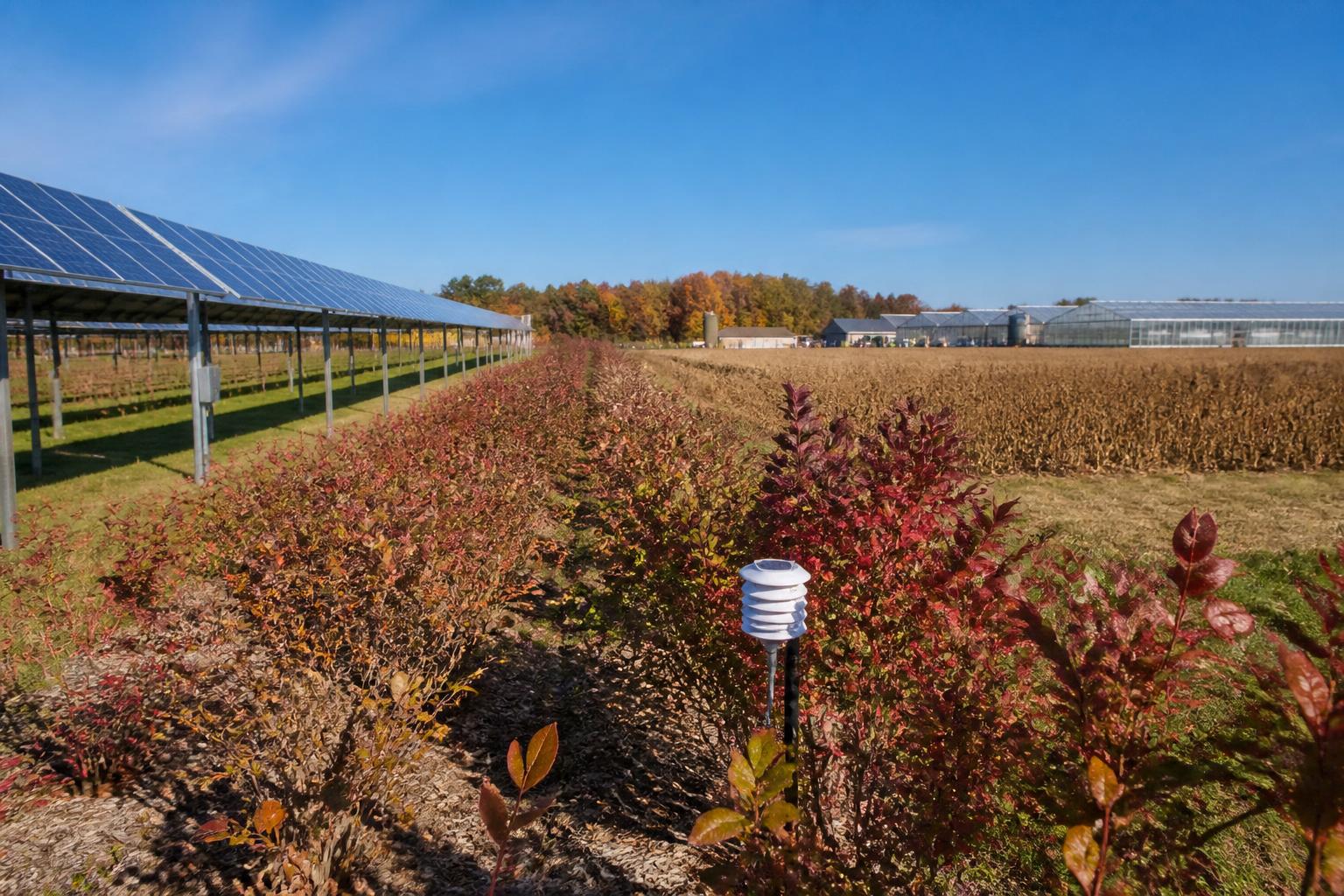
As New Hampshire growers navigate the final stretch of the fall season, the focus is shifting from harvest and late-season field maintenance to long-term resource optimization. The agricultural landscape in the Granite State continues to evolve, with producers increasingly turning to precision technology to manage inputs more effectively during uncertain market conditions.
Advancements in plant biosensor technology are beginning to offer real-world benefits for local specialty crops, including blueberries and orchard operations. By monitoring crop needs in real-time, some farms have managed to significantly lower water and fertilizer application rates. Integrating these systems can act as a buffer against the rising costs of traditional inputs while supporting broader land stewardship goals, a priority for many operations across the North Country and southern valleys.
Expanding Tech Integration in the Granite State
The push for modernization extends beyond field sensors. Recent regulatory approvals for new disinfection and treatment devices in agricultural applications provide additional tools for greenhouse and facility managers. For those looking to optimize their fall logistics and operational throughput, shifting to equipment that offers automated, data-driven utility can prove vital when labor availability fluctuates.
Furthermore, the interest in controlled-environment agriculture remains steady. While vertical farming and advanced greenhouse technology continue to secure financing on a broader scale, local growers are finding that even modest improvements in climate control can yield significant gains in product quality. These small-scale adjustments are essential for producers aiming to maintain consistent supply chains through the upcoming winter months.
What it means for the market
For the average New Hampshire agribusiness, the current market environment rewards those who prioritize resource efficiency. By investing in sensors and modernized application equipment now, producers can lower their break-even points for the next cycle. As trade uncertainties and shifting food price trends loom on the horizon, reducing operational waste remains one of the most effective strategies to preserve margins and ensure long-term farm sustainability.
Comments
No comments yet - be the first to share your take.