
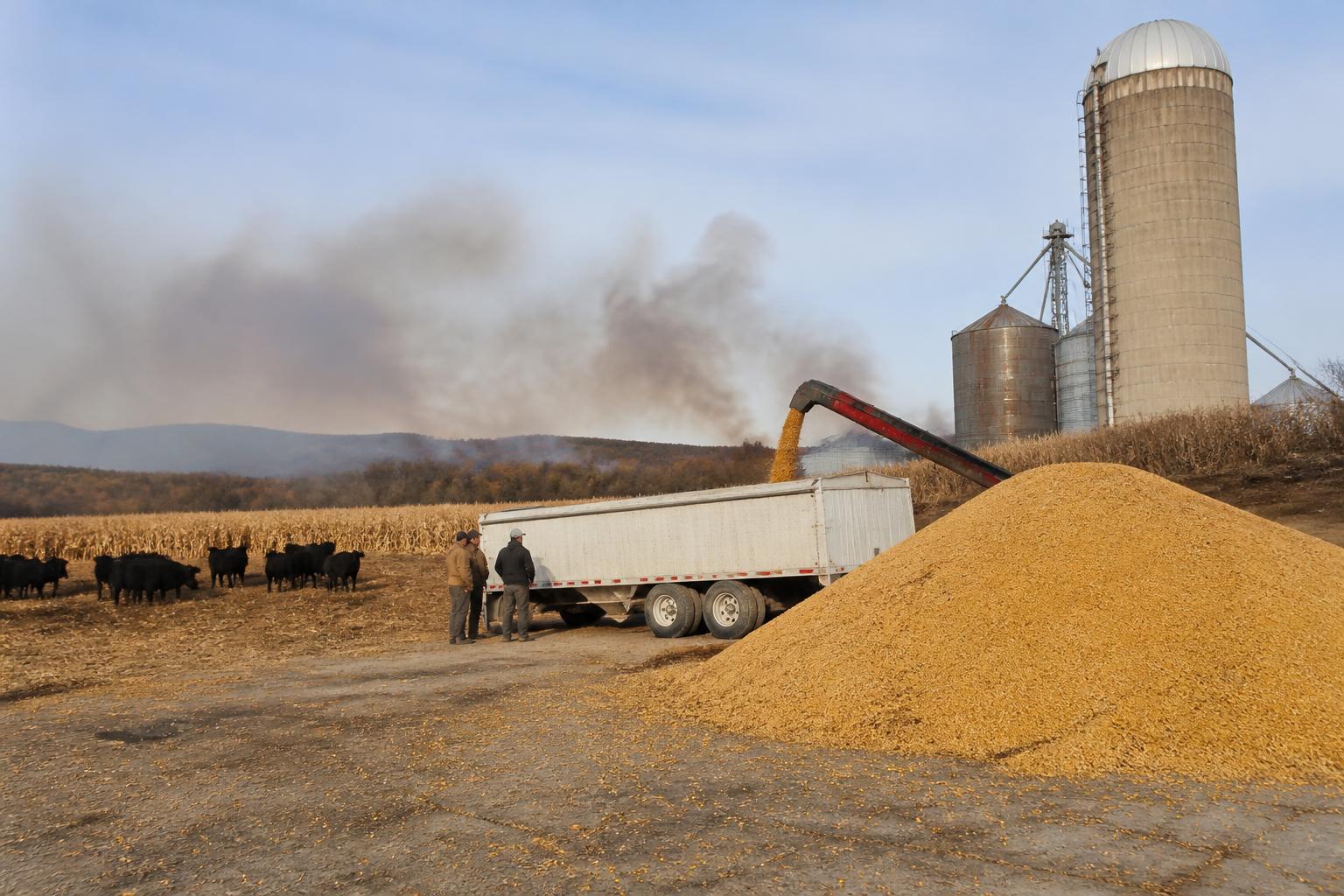
As the fall harvest draws to a close across Nebraska, producers are grappling with a complex landscape of operational pressures. While favorable weather conditions throughout the season have kept field activities largely on schedule, the focus has shifted toward the critical task of post-harvest logistics and the ongoing management of harvest-related operational complexities. Tight grain storage capacity remains a recurring theme, influencing how elevators and growers approach the final movement of this year's yields.
Managing Storage and Input Flow
Grain storage availability has tightened significantly in parts of the Western Corn Belt, forcing many Nebraska farmers to adjust their short-term delivery strategies. For those looking to optimize their logistics and input strategies, the priority is minimizing dwell time at overwhelmed receiving facilities. Market participants are increasingly relying on coordinated transport schedules to ensure that grain does not remain in temporary piles longer than necessary, especially as regional processing demand fluctuates.
Operational Resilience in a Challenging Environment
Beyond the immediate logistical hurdles, the agricultural community is contending with broader structural shifts. Whether monitoring the impact of facility changes on local cattle markets or reviewing updated communication protocols for emergency preparedness following recent regional wildfire events, the emphasis remains on operational adaptability. Producers are encouraged to maintain close communication with local cooperatives and logistics providers to stay ahead of potential bottlenecks as the remaining inventory moves through the state’s key transport corridors.
What it means for the market
The current environment requires a disciplined approach to inventory management. With storage infrastructure stretched, farmers who prioritize efficient delivery timelines and maintain agility in their input planning will be better positioned to mitigate the risks associated with regional capacity constraints. Staying informed on localized transport updates and regional storage trends remains essential for protecting ROI as the sector transitions into winter.
Comments
No comments yet - be the first to share your take.