
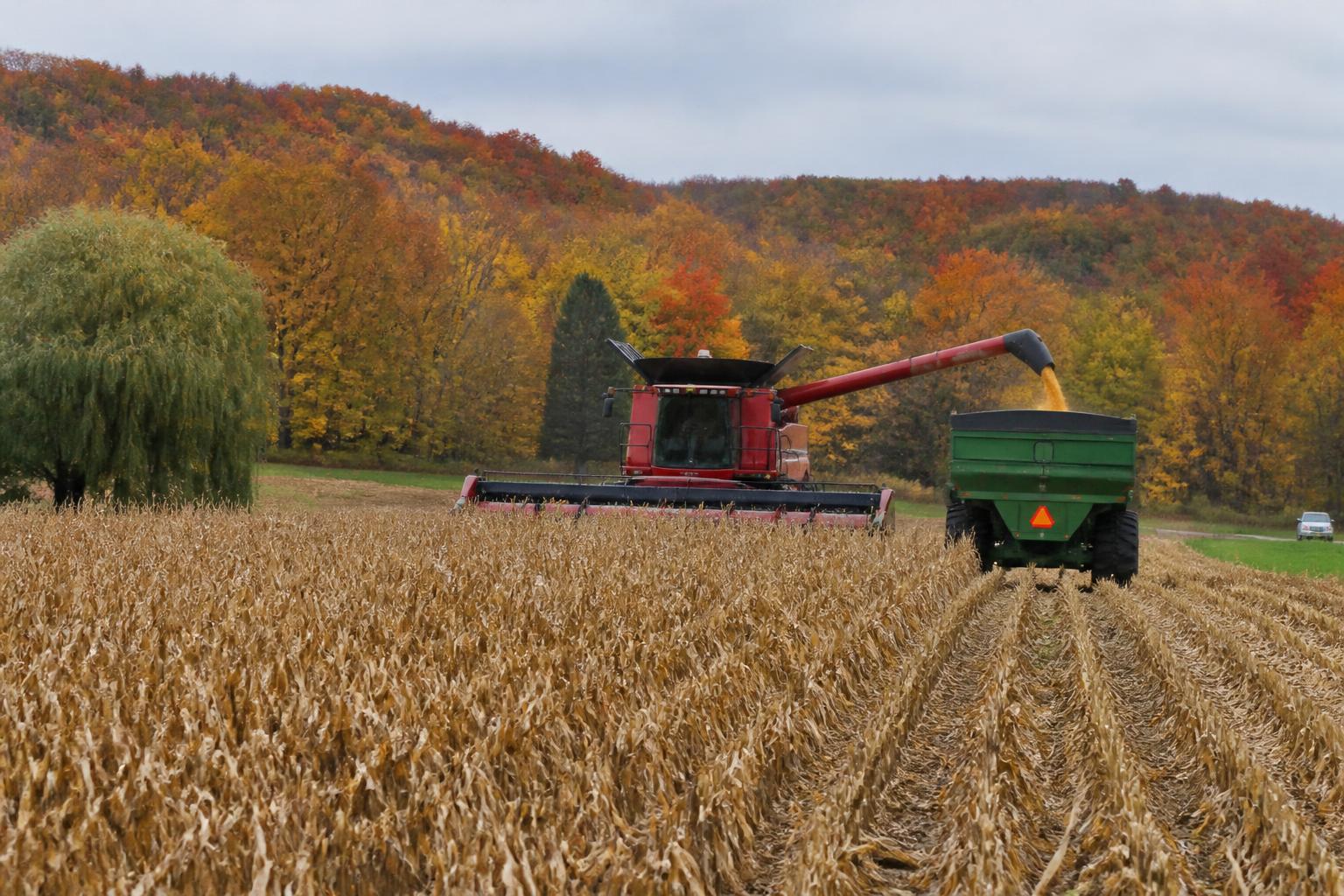
Optimizing Input Efficiency in Idaho Fields
As Idaho farmers wrap up the fall season and pivot toward winter planning, the conversation around input management continues to evolve. With fertilizer costs remaining a significant factor in the annual budget, precision technology is becoming a central strategy for managing field applications more effectively. Innovations, such as new software mapping capabilities emerging from regional research like the Idaho National Laboratory, are now being tailored to help growers calculate more efficient routes across their fields. By optimizing these paths, producers can potentially reduce both fuel usage and the risk of over-application.
The Role of Precision in Fertilizer Management
Precision agriculture is no longer just about yield monitors; it is becoming a critical tool for logistics and resource conservation. In the diverse landscapes of Idaho, from the high-desert plateaus to the river valleys, managing how inputs are distributed across irregular terrain is a persistent challenge. Adopting smarter routing can lead to better coverage, ensuring that every pound of fertilizer is placed where it is most needed rather than being lost to overlapping passes or inefficient turns. For those navigating Idaho fertilizer procurement, these digital advancements provide a practical way to stretch limited resources further.
Key Takeaways for Winter Planning
- Evaluate existing field data to identify zones where input efficiency can be improved.
- Consider how new routing software may integrate with current tractor guidance systems.
- Focus on reducing overlap to lower both fuel consumption and chemical input expenses.
- Monitor regional research updates to see how lab-developed tools move into commercial agricultural applications.
What it means for the market
For the Idaho agribusiness sector, the shift toward precision software represents a maturation of the market. As producers seek to stabilize profit margins against fluctuating input costs, firms that provide these digital integration services will likely see increased demand. By leveraging technology to squeeze more value out of every acre, farmers are positioning themselves to navigate the unpredictable nature of agricultural cycles more effectively.
Comments
No comments yet - be the first to share your take.