
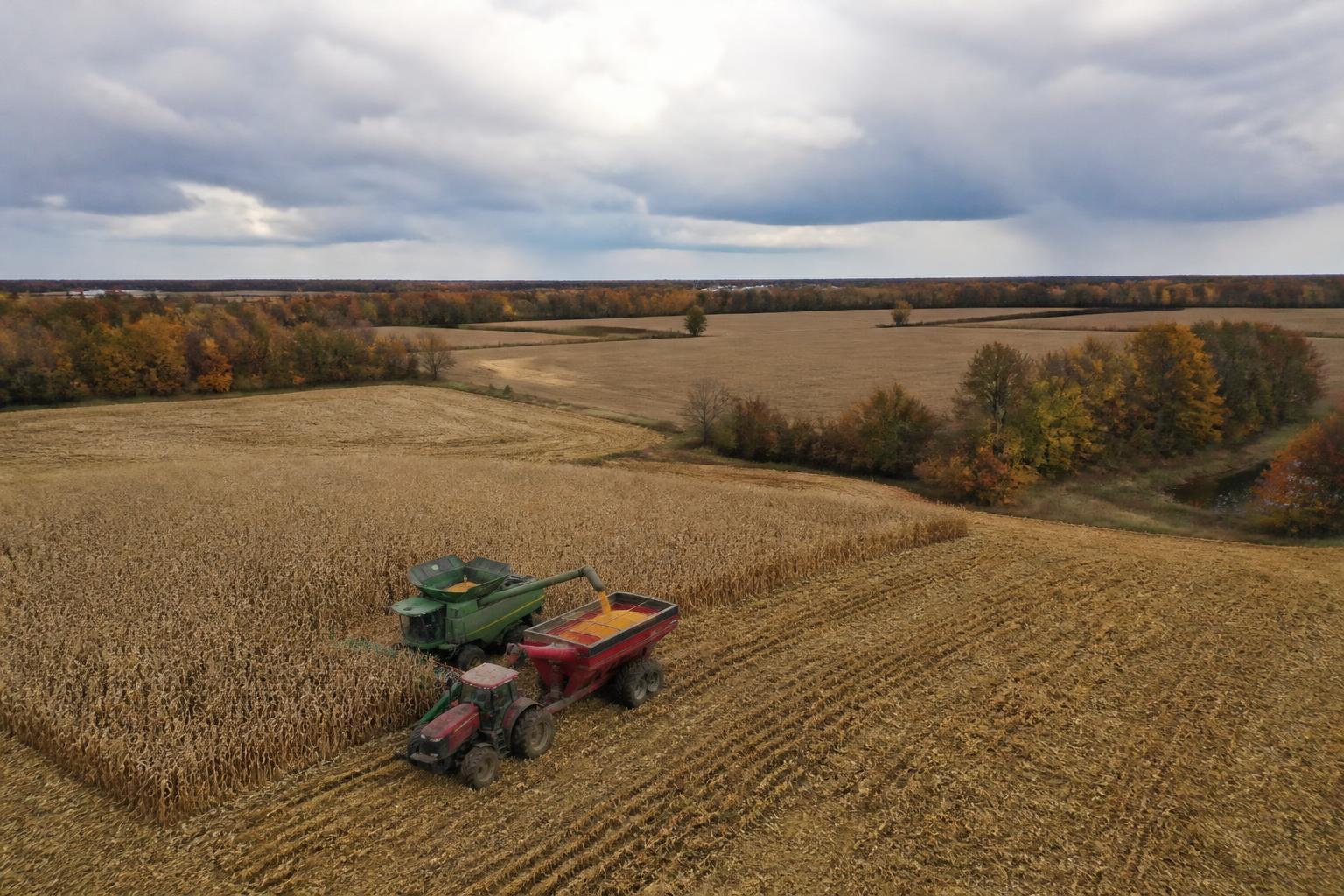
As the fall harvest season winds down across Arkansas, the agricultural sector remains focused on balancing operational efficiency against a backdrop of long-term economic strain. For many growers, the completion of field work marks a critical evaluation period where the focus shifts from yield optimization to managing tight financial margins. The dual challenge of maintaining profitability while navigating high input costs continues to influence decision-making for operations ranging from Delta row crop farms to upland livestock producers.
Efficiency in the field is being coupled with a careful assessment of resource allocation. Navigating logistical hurdles has become a staple of the current market environment, as producers look for ways to optimize transport and storage capacity. With diesel costs and other variable expenses weighing heavily on farm balance sheets, there is a renewed emphasis on regional supply chain reliability and the strategic movement of grain to local elevators.
Adapting to Economic and Resource Pressures
The current climate has prompted a deeper look at long-term resilience. Beyond immediate harvest logistics, industry discussions are centering on water management, particularly the shift from groundwater to surface water sources in various irrigation-heavy regions. This transition is viewed by many as a vital step in maintaining the long-term viability of the state's diverse crop portfolio. Additionally, research efforts, such as the development of new nematode-resistant soybean varieties, aim to provide farmers with tools that can help stabilize production levels despite rising costs.
As producers review their season, production pressures in the field continue to highlight the need for precision in both cultivation and resource management. Whether through upgrading irrigation infrastructure or adopting new seed technologies, the focus remains on sustaining output in an environment where financial flexibility is limited.
What it means for the market
For grain handlers, carriers, and agribusinesses, the current outlook necessitates a focus on cost-effective logistics and supportive services. As the harvest concludes, the market will likely see continued sensitivity toward input price fluctuations and a greater reliance on optimized supply chain solutions to preserve thin margins. The path forward for Arkansas agriculture remains tied to both technological adaptation and strategic resource management, as stakeholders prepare for the upcoming planning cycle.
Comments
No comments yet - be the first to share your take.