
Market Headwinds in the Delta
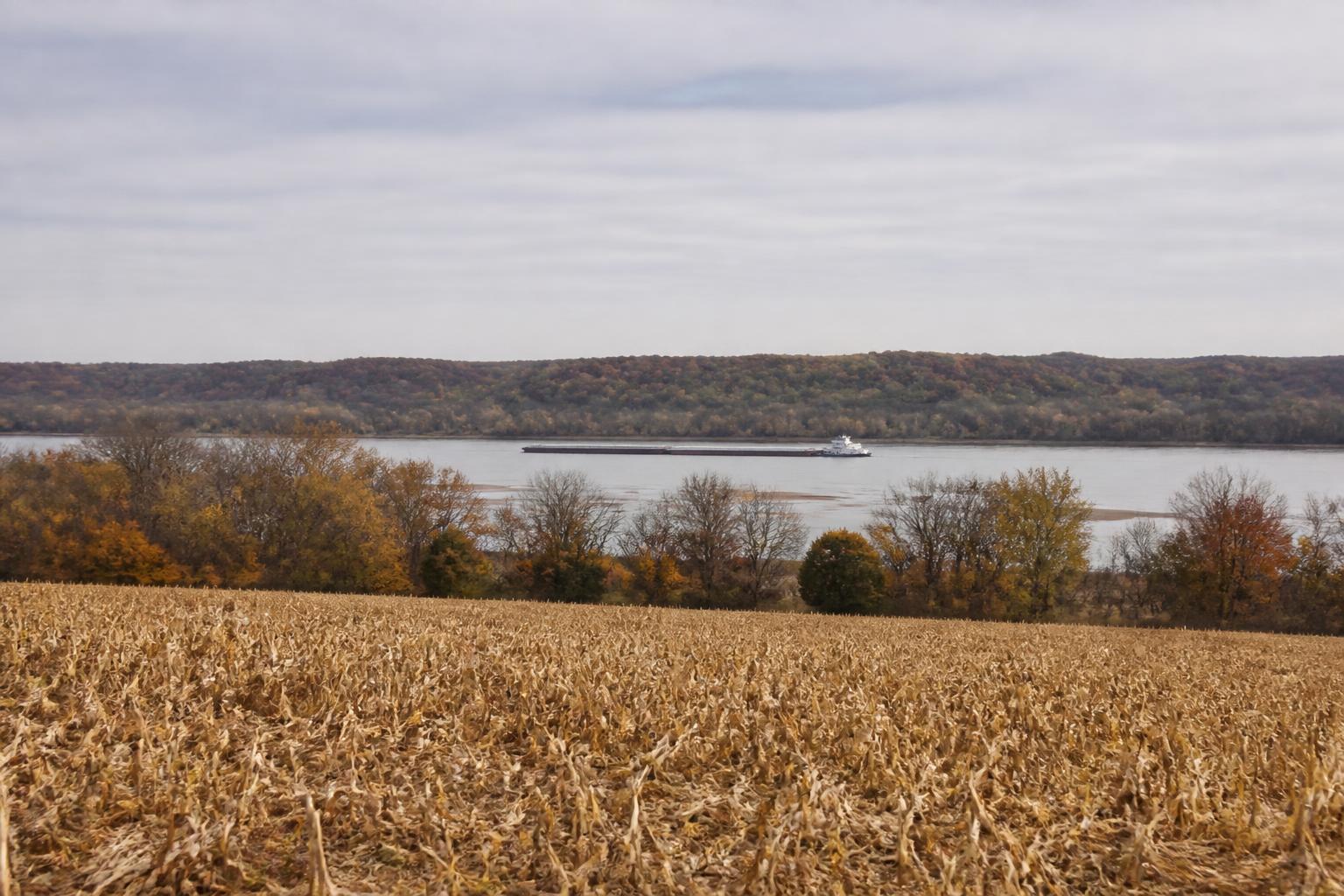
As the fall season progresses, agricultural stakeholders across Mississippi are contending with a persistent set of logistical and economic hurdles. Lower-than-average water levels on the Mississippi River continue to disrupt the efficient transport of vital inputs and grain, complicating the supply chain for regional elevators and input providers. While some industry analysts have noted a shift toward more relaxed conditions in broader grain markets, the localized strain on fertilizer delivery remains a significant concern for producers preparing for the upcoming cycle.
Supply Chain Fragility and Global Exposure
The reliance on river barge transport means that even minor fluctuations in water depth can have outsized impacts on logistics costs and product availability. In addition to these inland navigation issues, global geopolitical tensions have added further upward pressure on input prices. For those in the Mississippi Delta, managing costs is becoming increasingly difficult as supply disruptions from abroad coincide with local transport constraints. These compounding factors may necessitate a more proactive approach to nutrient procurement and storage planning in the coming weeks.
Nutrient Management Amid Persistent Challenges
Beyond the logistical noise, growers are reminded of the importance of maintaining rigorous nutrient management practices. With Mississippi holding the challenging distinction of leading in glyphosate-resistant weeds, integrating effective chemical and nutrient strategies remains a top priority. Ensuring that soil profiles are optimized for corn and soybean rotations is essential for maximizing yield potential, particularly when the cost of inputs requires a high return on investment. Ongoing monitoring of river-related supply shifts remains the best way for agribusinesses to navigate the current environment.
What it means for the market
Producers should anticipate continued price sensitivity and potential delivery delays throughout the fall. As logistical capacity remains tied to the water levels of the Mississippi River, coordinating early with input suppliers may help mitigate the risk of late-season shortages. Watching global energy and trade corridors will be just as vital as monitoring local river gauges for those looking to hedge against further volatility in their bottom line.
Comments
No comments yet - be the first to share your take.