
Global Urea Trends Impacting Local Markets
As we navigate the current market landscape, international developments in nitrogen production are beginning to cast a long-term shadow over input planning for Tennessee producers. India has signaled a significant expansion of its domestic urea capacity through 2030, a move intended to reduce reliance on imports and stabilize its own agricultural sector. For local operations, these shifts in international supply chains often correlate with changes in global price volatility and export availability. While immediate impacts on local costs may vary, those managing fertilizer planning for the upcoming seasons should keep a close watch on how these global production targets influence the broader nitrogen market.
Managing New Biosecurity Challenges
While global supply dynamics evolve, Tennessee farmers must also contend with immediate, localized threats to their operations. State officials have recently confirmed the presence of the spotted lanternfly in Middle Tennessee. This invasive pest poses a complex challenge for orchardists, nursery operators, and general crop management in the region. Producers should review their field protection protocols to ensure they are prepared for monitoring and containment efforts as we head into the dormant season.
Logistics and Field Operations
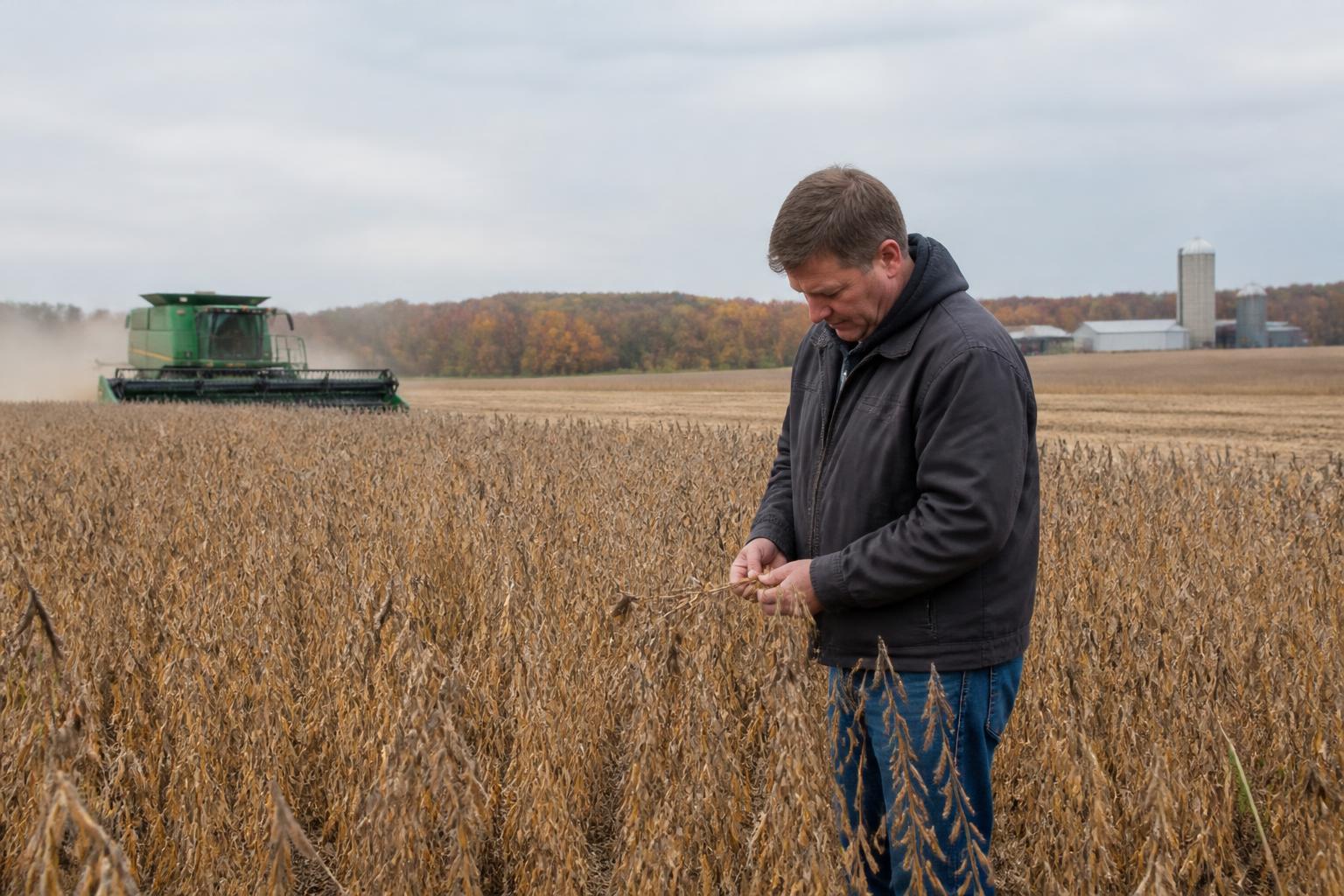
With fall work in full swing, the combination of new pest pressure and market uncertainty makes efficiency paramount. As producers finalize their harvest and move grain, maintaining clear communication with regional transport providers is essential, especially as Tennessee harvest logistics experience typical seasonal tightening. Ensuring that equipment is cleaned when moving between fields can also help mitigate the spread of the spotted lanternfly during this busy time of year.
What it means for the market
Producers should adopt a cautious approach to long-term nitrogen procurement given the shifting global production landscape. Locally, the emergence of the spotted lanternfly underscores the importance of stringent scouting and biosecurity measures. By staying informed on global input trends and local pest management, farmers can better insulate their bottom line against both market volatility and potential yield-limiting environmental threats.
Comments
No comments yet - be the first to share your take.