
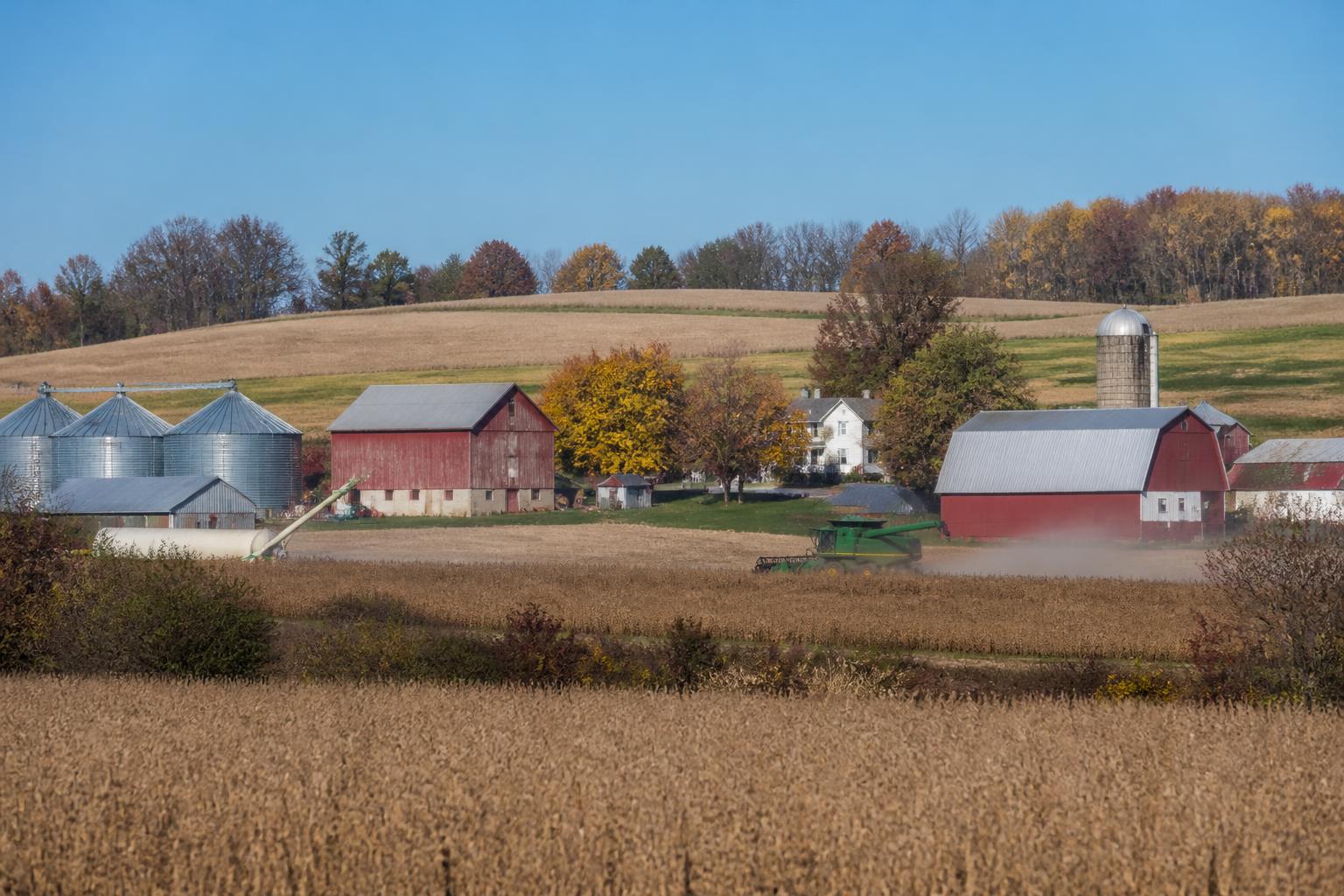
As the fall harvest season progresses across Pennsylvania, producers are balancing immediate logistics with long-term operational sustainability. Protecting the quality of harvested grains remains a priority for storage managers, particularly as market volatility continues to challenge profit margins. Maintaining bin hygiene and monitoring moisture levels are essential steps to mitigate the risk of insect infestation, which can jeopardize the value of stored commodities during the colder months ahead.
Investing in Long-Term Viability
Beyond the current harvest cycle, Pennsylvania farmers are increasingly focused on strategies that bolster agricultural resilience. Recent efforts in Berks and Chester counties highlight the continued importance of land preservation, ensuring that productive acreage remains dedicated to farming for future generations. These investments in agricultural resilience help stabilize the local food supply chain and provide a foundation for long-term viability amidst broader economic pressures.
Logistics and Resource Management
On-farm infrastructure upgrades are also playing a crucial role in operational efficiency. For many, integrating waste-to-energy systems, such as recent developments seen in Franklin County, offers a pathway to offset rising input costs and manage waste more effectively. As producers navigate these updates, understanding the broader agricultural policy and infrastructure shifts becomes a critical component of annual planning.
For those managing large storage facilities, keeping up with best practices for inventory control and facility maintenance is essential to avoid losses during the winter. Effective harvest logistics and market flow management continue to be the primary tools for farmers looking to survive periods of market uncertainty and protect their bottom lines.
What it means for the market
The current Pennsylvania market environment demands a dual focus: immediate, hands-on management of grain quality to maximize returns, and strategic, long-term commitment to infrastructure and land stability. By emphasizing efficiency and preservation, local agribusinesses can better position themselves against national market headwinds and maintain a consistent supply for regional markets.
Comments
No comments yet - be the first to share your take.