
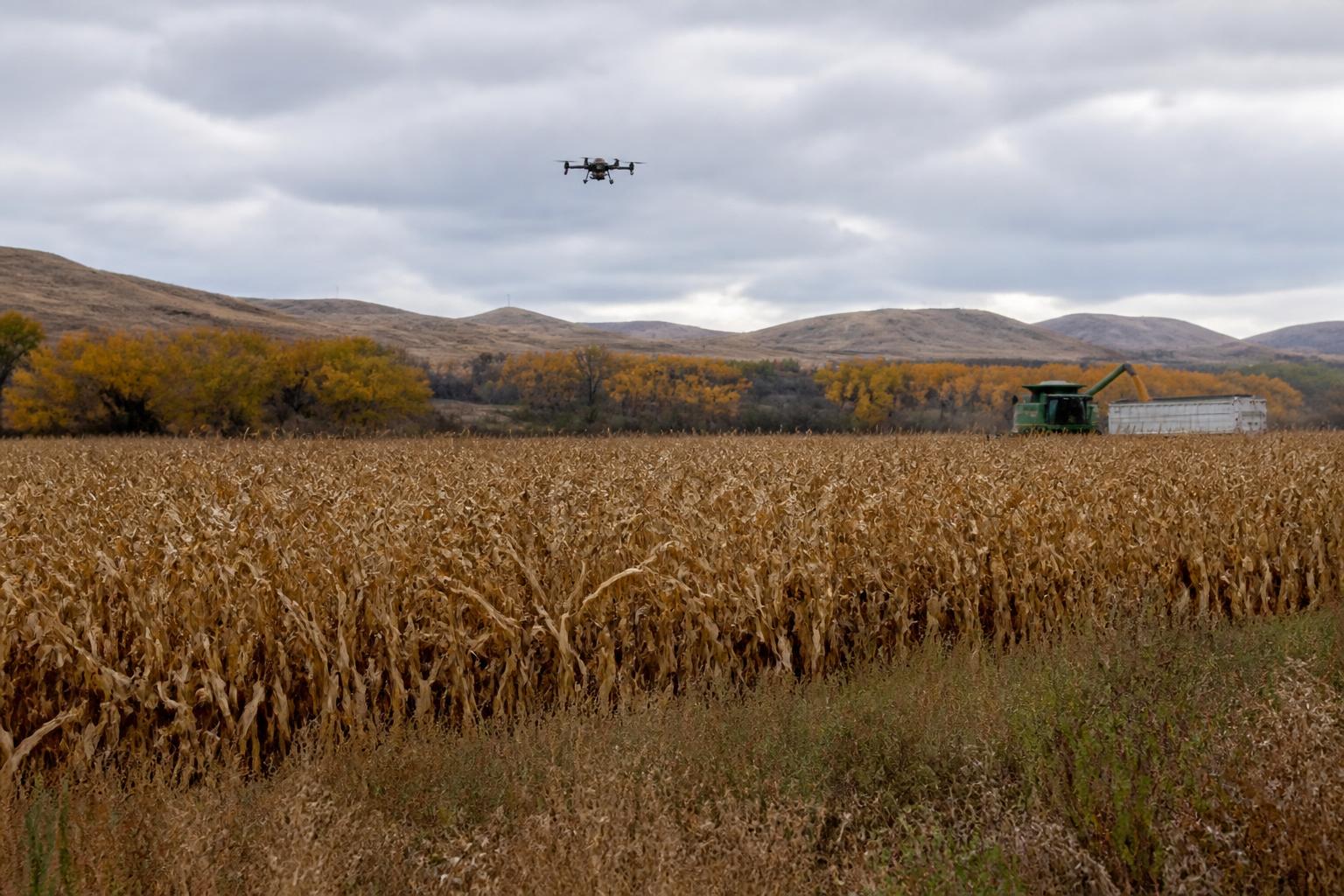
As the fall harvest season winds down in Colorado, producers are contending with a compounding set of challenges. Persistent drought conditions, particularly across the hard red winter wheat belt, continue to create uncertainty for upcoming planting cycles and overall yield expectations. For many operations, the current environment necessitates a cautious approach to resource management as the state navigates the intersection of environmental pressures and global market volatility.
Operational efficiency remains a primary concern for local elevators and grain handlers. Recent data on grain shuttle train performance underscores the importance of managing logistics effectively during peak movement periods. When rail capacity tightens, the ripple effects are felt throughout the supply chain, often limiting the ability to move grain to key terminals efficiently. For more on managing these variables, see our insights on navigating volatility in the Colorado livestock and grain sectors.
Logistical and Production Hurdles
Beyond the weather, regional agribusinesses are also keeping a close watch on input costs and evolving technology implementation. While some counties are moving forward with advanced solutions like drone herbicide application to boost precision, adoption often meets mixed reactions from local communities. Meanwhile, grain producers continue to balance these technology investments against tight margins, often revisiting their broader seed technology and program strategy decisions to maintain profitability.
Livestock producers in the region are also navigating unique challenges. Recent legislative discussions regarding the role of meat in government menus highlight the ongoing advocacy efforts by farm-state senators aimed at supporting domestic animal protein demand. Understanding the broader economic context is essential for producers as they weigh the potential for shifting consumer demand against the rising costs of production.
What it means for the market
The convergence of a historic drought and constrained rail logistics suggests a period of continued operational caution for Colorado agribusinesses. For those holding grain, monitoring local elevator capacity and shuttle train turn times will be vital in the coming weeks. With thin margins and environmental headwinds, farmers should continue to leverage data-driven insights to manage risk, especially as they look toward the next planting window. For further context on managing current supply chain pressures, refer to our analysis on navigating fertilizer supply and logistic constraints.
Comments
No comments yet - be the first to share your take.