
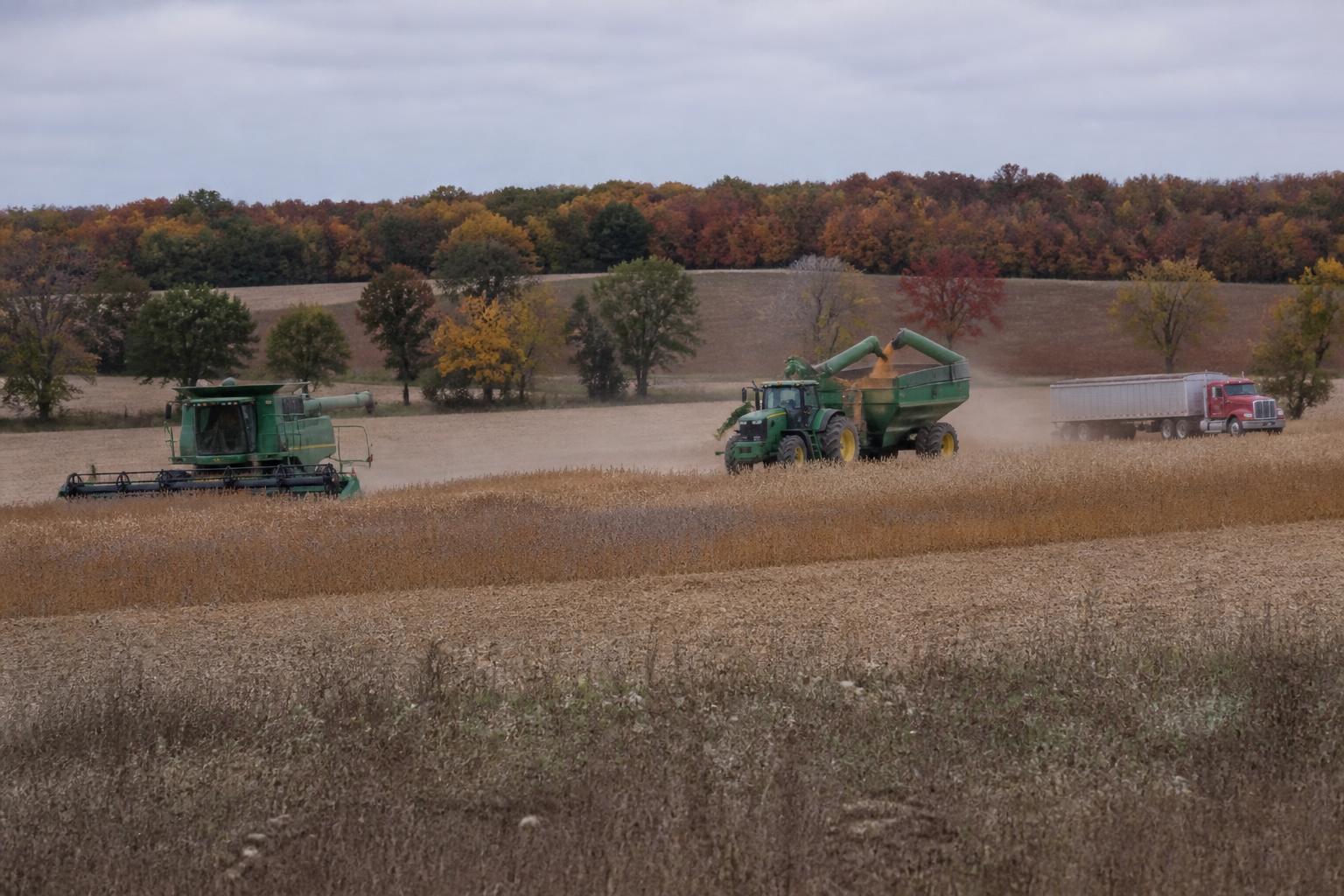
With the 2026 harvest wrapping up across much of Illinois, producers are reflecting on a season defined by variable moisture conditions and the persistent need for careful logistical planning. While many regions reported a steady, trendline pace throughout the fall, the focus has now pivoted toward securing operational stability for the upcoming season and managing the aftermath of various agronomic pressures.
Addressing Emerging Crop Health Concerns
As fields clear, growers are evaluating the presence of emerging pathogens that may impact future planting decisions. Management strategies remain critical, particularly regarding concerns like red crown rot in soybeans and the ongoing necessity for meticulous Goss's wilt mitigation in corn. Taking proactive steps to identify these issues early is often cited as a key component in protecting yield potential for the next cycle.
Financial Resilience and Strategic Planning
Current market conditions continue to challenge the bottom line, with many Illinois operations navigating tight margins. Balancing field incentives with escalating operational costs remains a top priority. As farm bill discussions continue to stall, the uncertainty surrounding support programs has only heightened the need for local handlers and producers to prioritize risk management, including a thorough review of grain marketing strategies and contract transparency.
Looking Ahead: Sustainability and Market Access
Despite these headwinds, the industry continues to push for long-term growth. Investment in grain tours and export development remains a cornerstone of the state's economic strategy, helping to maintain Illinois's position on the global stage. Furthermore, the commitment to conservation and soil health initiatives persists, even as funding shortages occasionally test the pace of program implementation.
What it means for the market
For Illinois agribusinesses and growers, the end of harvest serves as an inflection point. Successfully navigating this period involves a disciplined approach to managing storage needs, securing logistics and storage capacities, and staying informed on regulatory developments. Prioritizing input cost efficiency today will be essential to maintaining a competitive edge as the industry prepares for the winter planning window.
Comments
No comments yet - be the first to share your take.