
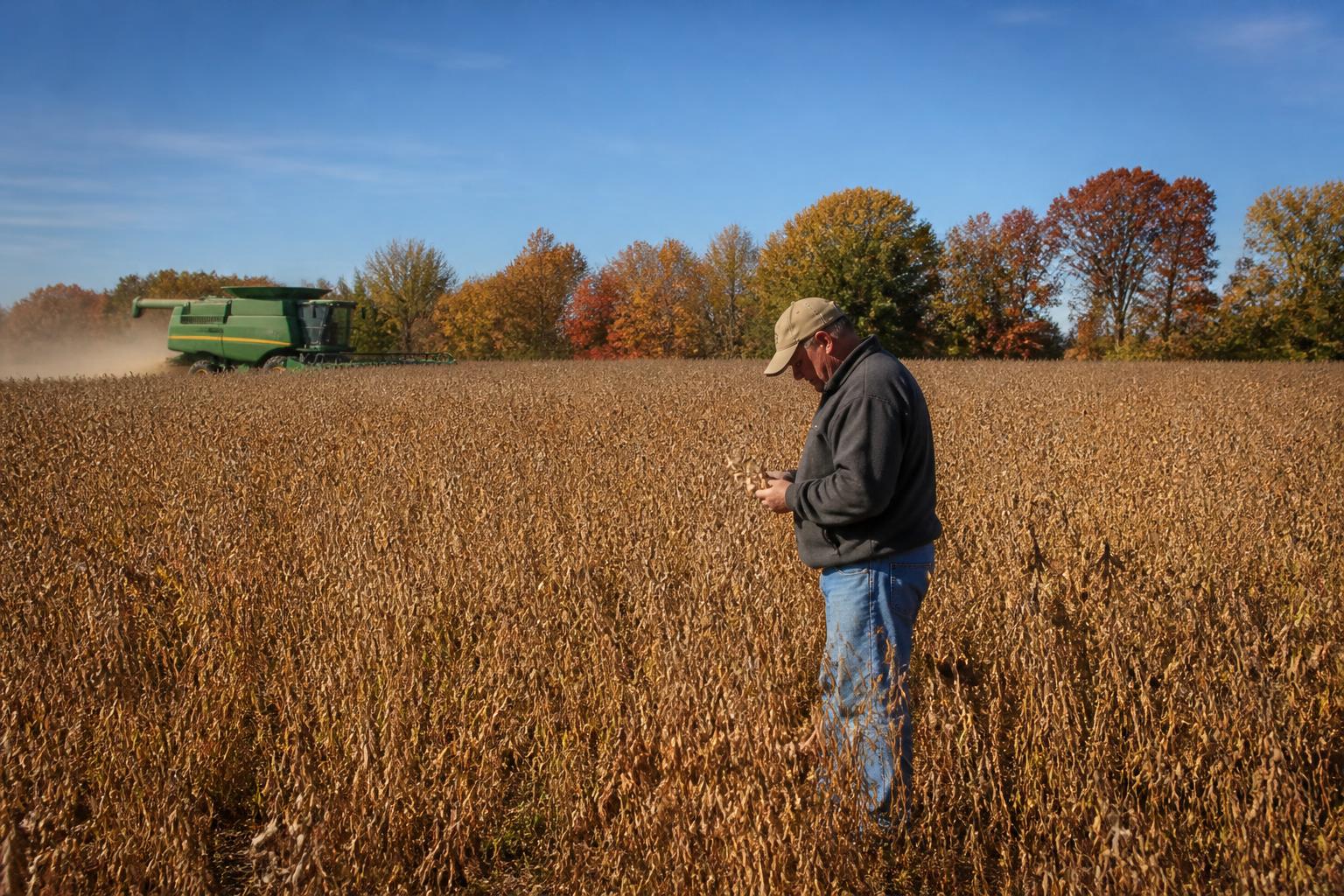
The Illinois agricultural landscape is currently navigating a period of significant economic adjustment. As the harvest season advances, growers across the state are balancing tight operating margins with the immediate logistical demands of moving and storing this year's yields. The interplay between variable land lease arrangements, land value fluctuations, and rising input costs remains a central concern for many farm operations aiming to maintain stability.
Expanding Storage and Logistics Capacity
Addressing the infrastructure bottlenecks that often arise during peak harvest, recent state efforts have focused on enhancing local grain storage capacity. With producers seeking to manage the timing of their market entries, new loan programs are designed to assist farmers in building out on-farm storage solutions. These initiatives aim to provide greater flexibility for those looking to avoid immediate delivery pressures at local elevators when regional logistics corridors are at their busiest.
Transportation remains a critical focal point, with discussions highlighting the importance of efficient movement along major waterways. Periodic grain tours, such as those held at the Melvin Price Locks and Dam, emphasize the state's strategic role in connecting Midwestern production to international markets, particularly within Latin America, which remains a key trade partner.
Resilience Amidst Economic Tightening
Beyond logistics, the broader financial health of the sector is under close observation. Financial institutions report an increased level of caution as land values shift and operational costs persist. In response, many producers are exploring more flexible leasing structures to mitigate risk in an unpredictable market. For further insights on how these fiscal strategies are evolving, see Illinois Growers Navigate Evolving Input Costs and Support Networks This Fall.
Conservation and sustainability efforts continue to gain traction as well, with the state recently formalizing the STAR Tool as an official metric for soil health assessment. Integrating these conservation programs may offer producers an additional pathway to demonstrate stewardship while managing long-term field productivity. More details on how farmers are adjusting to these operational demands can be found in our coverage of Illinois Growers Weigh Input Efficiency as Late-Season Field Work Continues.
What it means for the market
For the Illinois agricultural community, the current environment demands a heightened focus on balance sheets and supply chain optimization. While the state's logistical advantages remain strong, the reliance on flexible storage and strategic trade relationships will be decisive for growers navigating the remainder of the season. Staying informed on Illinois Harvest Update: Managing Logistical Pressures Amidst Challenging 2026 Conditions will be essential as the industry prepares for the winter months.
Comments
No comments yet - be the first to share your take.