
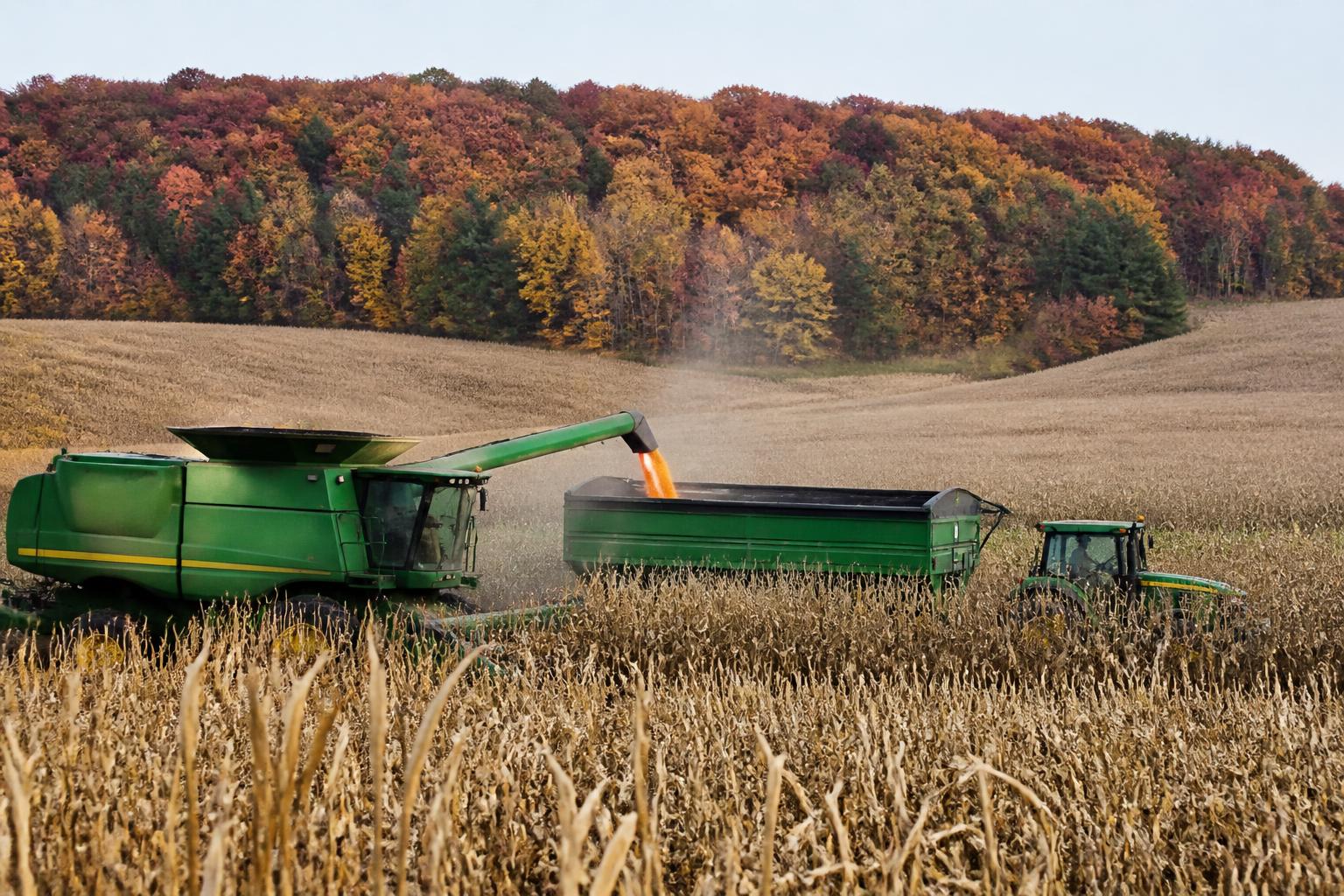
Michigan agricultural producers are navigating a complex late-season landscape as harvest activities wrap up across the state. While timely rainfall provided relief for many corn acres earlier in the season, growers are keeping a close watch on lingering disease pressures. Notably, the ongoing threat of tar spot in corn remains a primary concern for field management, necessitating continued vigilance in scouting and, for some, adjusting future crop protection strategies.
Alongside these field-level challenges, producers are contending with evolving logistics and operational shifts that define the current market cycle. Farmers are balancing these immediate disease management needs with the economic reality of market fluctuations, as noted by increased farmer selling activity among soybean processors. This activity highlights the importance of staying informed on regulatory updates and input resources that help streamline operations during the transition into the off-season.
Infrastructure and Market Diversification
The Michigan landscape is also seeing significant infrastructure investment, including new food-grade corn milling capacity. This development is expected to create new opportunities for growers interested in diversifying beyond traditional commodity markets. As producers evaluate their operational costs and policy shifts for the coming year, these regional supply chain additions may offer a hedge against broader market volatility.
Building Resilience in the Field
Beyond traditional row crops, the state is actively investing in agricultural innovation, with recent federal support for greenhouse facilities at Michigan State University. These initiatives, coupled with regional grant programs focusing on regenerative practices, suggest a long-term shift toward a more resilient and versatile state agricultural sector. For the individual farmer, these changes emphasize the need for precision in both crop protection application and resource allocation as we head toward the winter months.
What it means for the market
The current market signals a period of strategic consolidation. With disease pressures like tar spot and emerging concerns such as red crown rot in soybeans requiring proactive management, farmers are balancing field health with the need to capitalize on recent selling opportunities. As processing capacity expands and regional programs continue to support farm-to-family initiatives, growers who prioritize sustainable, low-input management and engage with emerging high-value markets will likely find the most stability in the upcoming growing season.
Comments
No comments yet - be the first to share your take.