
Addressing Late-Season Crop Health
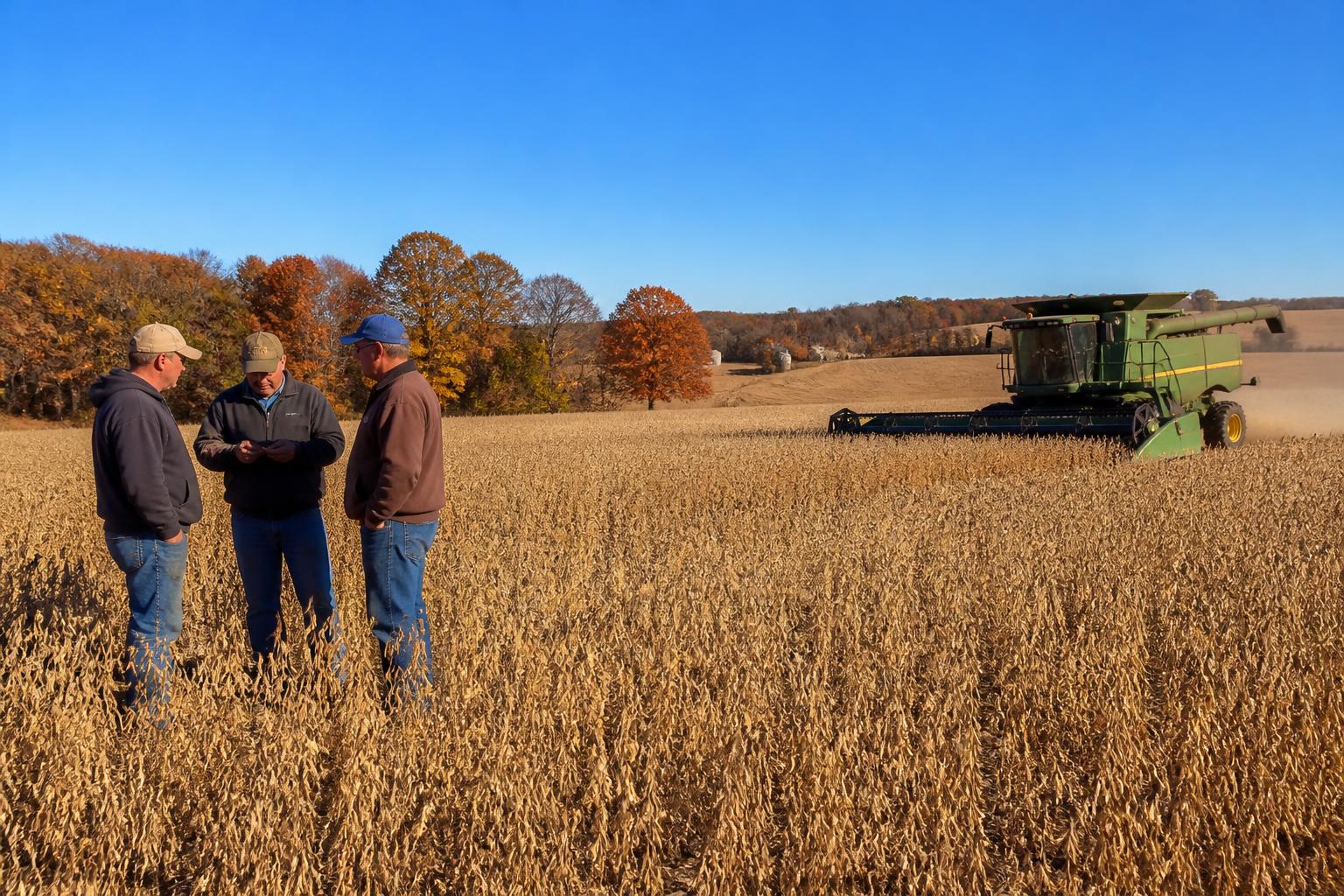
With the 2026 fall harvest entering its final stages across Ohio, attention is shifting from logistics and field speed to long-term crop protection strategies. The emergence of tar spot in several counties has added a layer of complexity for producers, prompting discussions on disease management and hybrid selection for future seasons. While recent weather patterns have allowed for consistent field progress, early harvest timing driven by earlier drought conditions may have provided a brief window to assess localized yield impacts.
Navigating Market Pressures and Input Costs
The agricultural landscape in Ohio remains dynamic as we look toward 2027. Many producers are reporting a need to recalibrate their planting strategies, with some moving toward increased soybean acreage to navigate the ongoing volatility in fertilizer costs. This shift is not merely about crop rotation but serves as a pragmatic response to input expense management in a tightening margin environment. As growers finalize harvest logistics, the focus is increasingly turning to how these decisions influence the upcoming fiscal outlook.
Planning for the Off-Season
Beyond the field, the off-season offers a critical window for business preparation. Educational programming remains a vital resource, with workshops centered on grain marketing basics scheduled for early next year. For operations looking to optimize their market position, engaging with these regional resources can assist in interpreting current price trends and diversifying income streams through alternative land-use models, such as integrated solar grazing programs gaining traction in the state.
What it means for the market
For grain handlers and agribusinesses, the combination of late-season disease presence and input-related acreage shifts suggests a change in the procurement and supply landscape. Farmers are likely to be more selective with their input choices and more deliberate with their forward-selling strategies as they evaluate 2026 results against rising operational requirements.
Comments
No comments yet - be the first to share your take.