
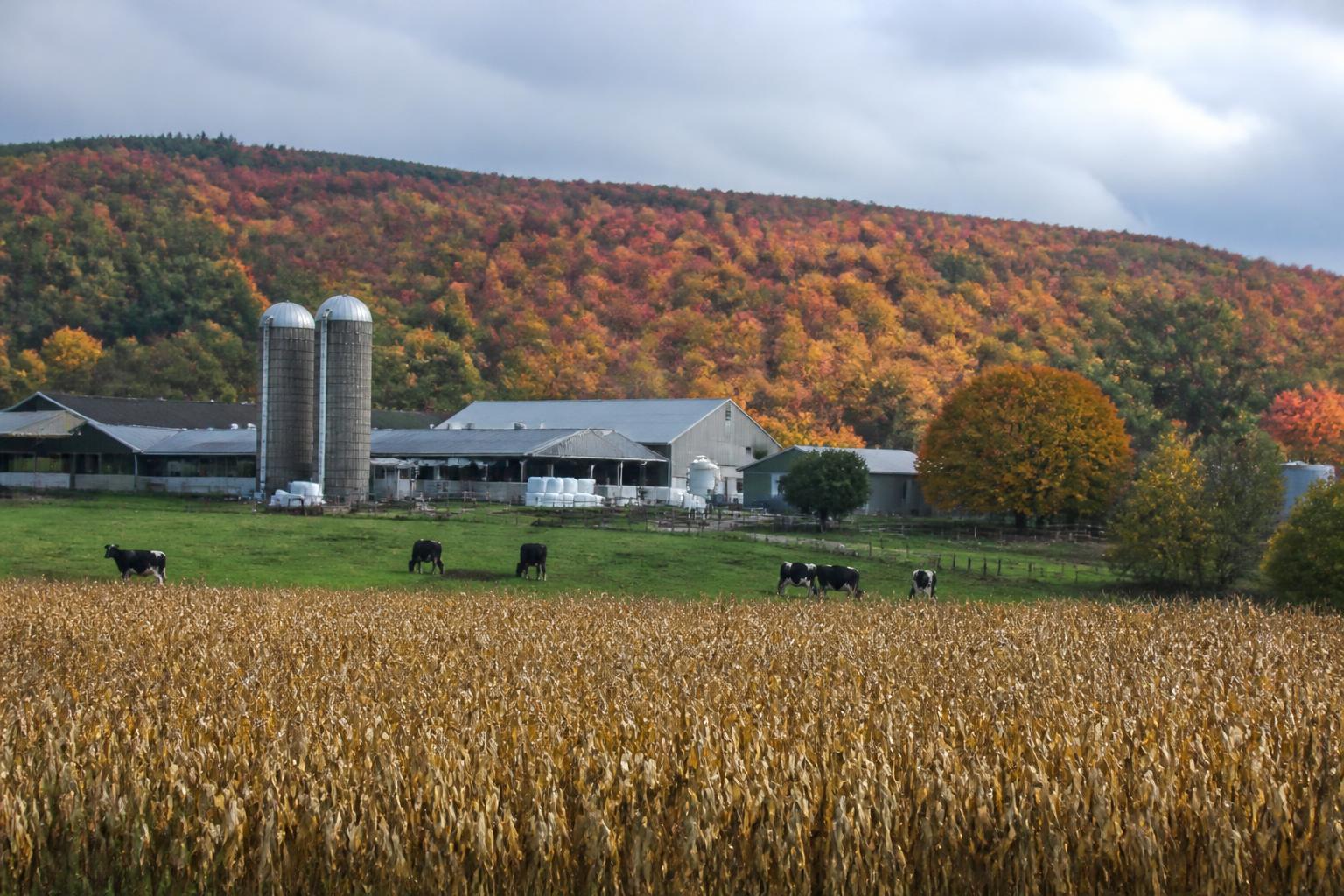
Vermont agriculture faces a complex autumn as producers balance seasonal operations with long-term climate adaptation. With recent reports highlighting potential vulnerabilities in modern seed genetics against shifting climate patterns, local farmers are increasingly evaluating how to fortify their production against unpredictable environmental stressors. This focus on long-term viability is becoming a cornerstone of yield protection strategies across the state.
For many in the dairy sector and among specialty crop growers, the conversation is shifting from immediate seasonal management to systemic resilience. As seen with the continued regional commitment to environmental compliance and stewardship, producers are looking for ways to maintain productivity while navigating tightening regulatory landscapes and resource management challenges.
Building Resilience into the Farm Gate
The intersection of genetic potential and environmental reality remains a high priority for Vermont’s diverse agricultural landscape. Whether managing intensive dairy operations or niche specialty fields, there is a growing consensus that traditional crop management must evolve to mitigate risks related to water quality and soil health. Ongoing efforts, such as the stewardship initiatives around Lake Champlain, underscore the pressure on farmers to adapt their land use to meet evolving sustainability targets without sacrificing the viability of their enterprises.
Logistics and Market Pressures
While regional farmers focus on field-level protection, broader market factors continue to influence local agribusiness. Fluctuations in energy markets and the ongoing need for infrastructure investment remain critical topics for those navigating late-season agricultural shifts. Ensuring that the supply chain remains functional amidst these external variables is essential for maintaining the competitive edge of Vermont’s ag sector.
What it means for the market
For Vermont producers and input buyers, the current environment demands a focus on proactive risk management. By investing in resilient crop varieties and participating in available grant programs for specialty crops, farmers can better position themselves against climate-driven uncertainty. Looking ahead, expect continued emphasis on technical assistance and collaborative research as the state works to reconcile agricultural production with rigorous ecological standards.
Comments
No comments yet - be the first to share your take.