
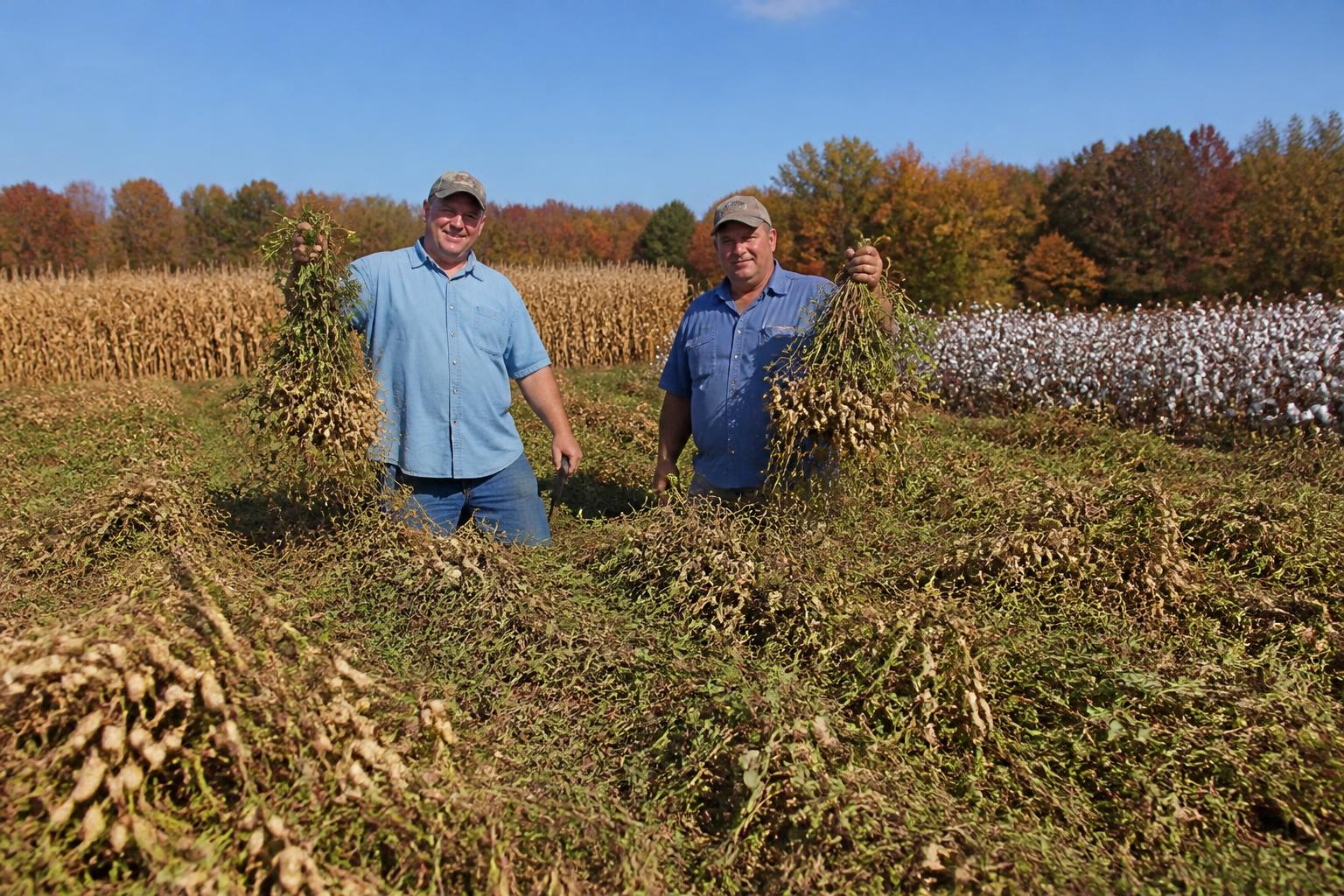
For many farmers across Georgia, the current fall window marks a critical period for field maintenance and preparation for the coming cycle. As seasonal temperatures fluctuate, staying ahead of persistent insect pressure is essential for ensuring that late-season crops reach their full potential. Producers managing Southern pea or other specialty crops have faced ongoing challenges with pests like the cowpea curculio, requiring timely scouting and the strategic application of proven protective measures.
Optimizing Input Efficiency and Supply Chains
Managing the health of a crop often hinges on the availability and timely application of necessary inputs. Whether dealing with nutrient management or targeted pest control, Georgia growers continue to monitor regional supply chains closely. Disruptions in global markets often trickle down to local operations, making it prudent for agribusinesses to assess their inventory levels early. Effective planning for input costs can help buffer against volatility, allowing operations to remain resilient regardless of broader economic shifts.
Strategic Field Management and Regulatory Compliance
Beyond daily agronomic tasks, fall is a prime time for producers to review land management strategies. As infrastructure needs evolve, keeping an eye on local logistics and transportation flow is paramount for moving harvests to processing centers or export hubs like the Port of Savannah. Furthermore, growers are encouraged to stay informed on local land preservation frameworks, such as state-specific current use valuation assessments (CUVA), which can provide long-term stability for family farms looking to maintain their operations through changing seasons.
What it means for the market
With the harvest season largely ongoing, the focus remains on yield protection and logistical efficiency. By prioritizing integrated pest management and maintaining robust logistics channels for critical inputs, Georgia farmers can better position themselves to mitigate losses and maximize the value of their output. As market conditions remain dynamic, local producers who leverage university-backed research and regional cooperative networks will likely find themselves in a stronger position to manage upcoming challenges.
Comments
No comments yet - be the first to share your take.