
With the current season winding down, growers and agronomists are shifting their attention to crop protection planning for the upcoming year. Weed resistance continues to be a primary challenge, particularly for those battling stubborn populations of waterhemp and Palmer amaranth. Staying ahead of these pressures requires a refined approach to chemical selection and a deep understanding of evolving tank-mix dynamics.
Recent breakthroughs in chemistry provide new options for producers looking to diversify their toolkits. The introduction of new herbicide modes of action—some marking the first such advancement in decades—offers a critical lifeline for corn and soybean systems. Integrating these newer technologies effectively is essential, as proactive operational risk management remains key to protecting yield potential against resistant weeds. Furthermore, as the industry prepares for future product launches like Nufarm's Mountain herbicide for wheat, producers should evaluate how these additions fit into their long-term rotation strategy.
Refining Tank Mix Efficacy
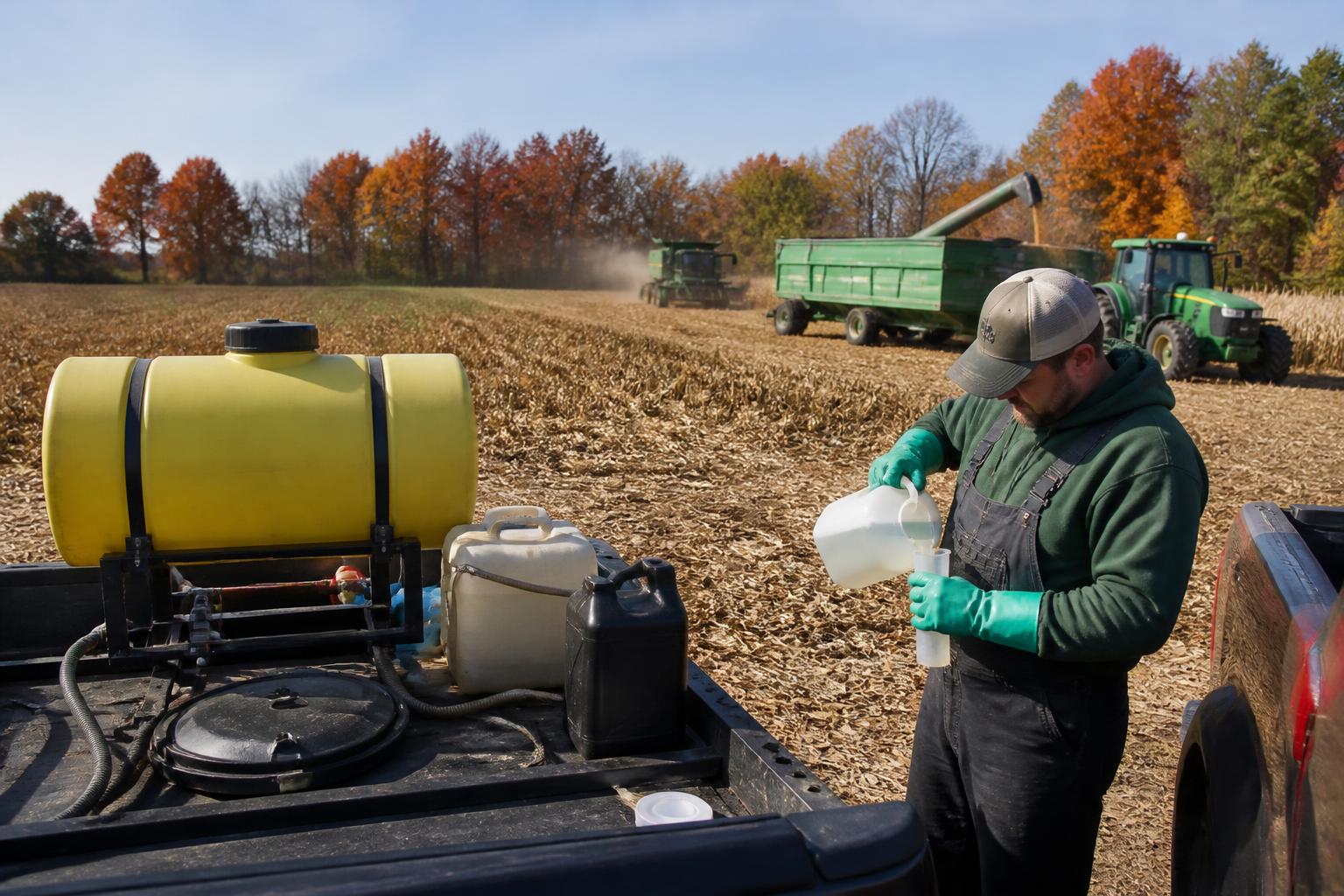
Maximizing herbicide performance requires more than just picking the right product. Growers often face challenges with herbicide antagonism, where the combination of multiple active ingredients can reduce overall control. Environmental factors, such as the lingering effects of late-season drought or temperature fluctuations, can further complicate these outcomes. It is vital to consult local extension resources and labels to understand how specific additives interact, as relying on safeners alone can sometimes create a false sense of security regarding crop safety.
Alongside efficacy, stewardship is becoming a more prominent component of the regulatory and public conversation. Current discussions around pesticide labels and pollinator health emphasize the need for careful, informed application practices. Taking the time during the off-season to review shifting production cycles can help ensure that spray programs are not only effective but also compliant with the latest safety standards.
Navigating Legal and Regulatory Shifts
The broader agricultural landscape remains subject to ongoing legal developments that influence input availability and risk management. As companies navigate high-profile litigation related to established herbicides, manufacturers are shifting their focus toward innovation and defensive product portfolios. Farmers who stay informed on these legal outcomes can better anticipate potential changes in the availability or recommendation of staple crop protection products. Understanding these shifts, much like managing late-season pest pressures, requires a disciplined approach to scouting and planning.
What it means for the market
The market for crop protection is increasingly defined by the need for diversity. For the 2027 season, growers who prioritize the integration of novel modes of action while maintaining rigorous stewardship and mixing protocols will be best positioned to handle weed resistance. By focusing on site-specific application and staying updated on regulatory changes, producers can mitigate the risks of input failure and maintain profitability in an increasingly complex chemical landscape.
Comments
No comments yet - be the first to share your take.