
Texas farmers are navigating a complex market landscape this fall, where high operational costs continue to challenge profitability even as some commodity prices see shifts. While consumer-facing grocery prices often dominate headlines, producers across the state frequently emphasize that these figures rarely translate into higher margins for the grower. With input supplies like ammonia seeing regional tightness and general inflationary pressures lingering, efficiency in every aspect of the operation has become a necessity.
Effective risk management currently extends beyond the ledger and into the field. Whether you are finalizing harvest activities or planning winter soil amendments, protecting your assets remains a top priority. Recent advancements, such as navigating complex regulatory environments and adopting precise monitoring tools, are helping operations stay ahead of potential profit-draining variables.
Biosecurity and Technological Vigilance
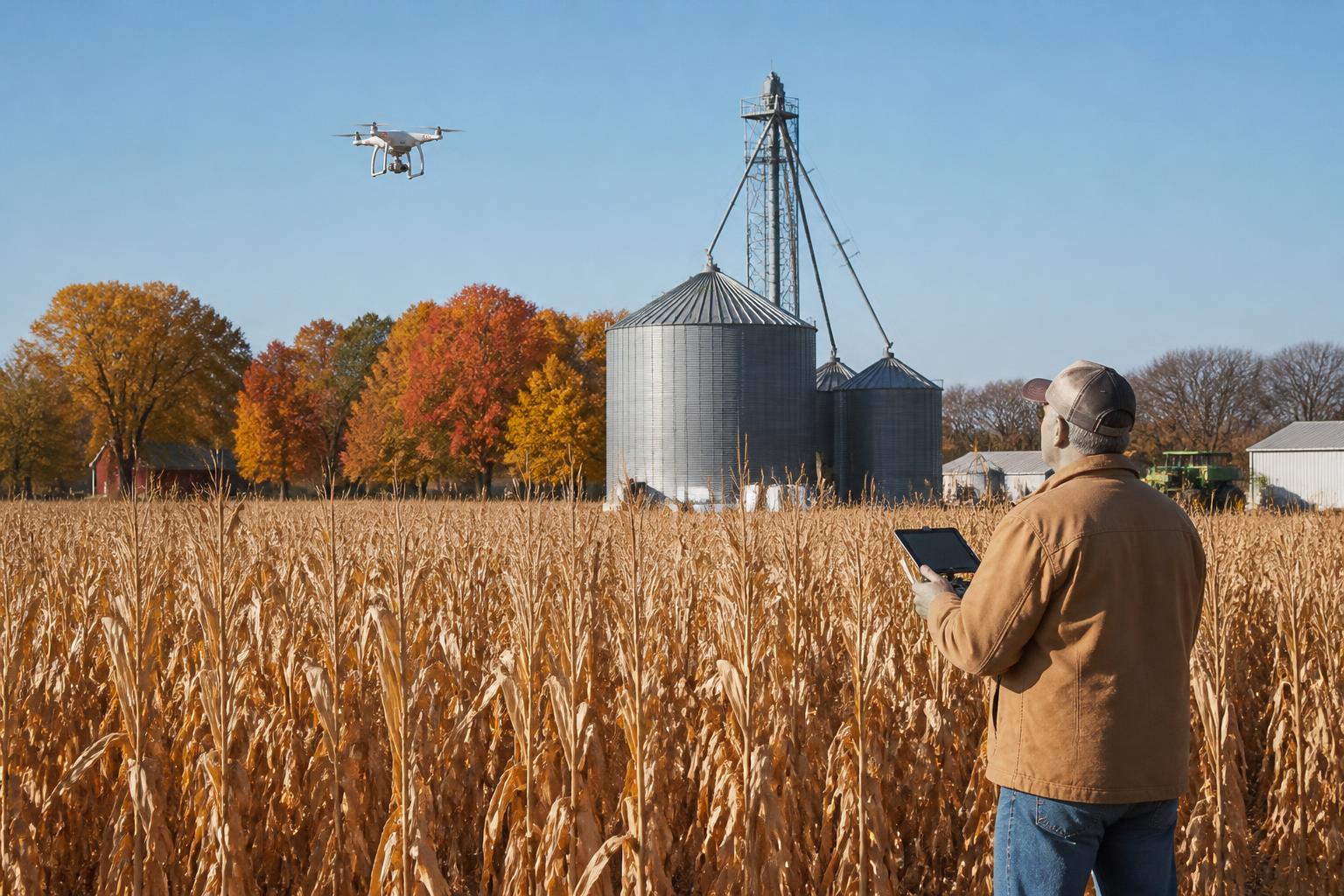
As the industry evolves, so do the threats to production. Recent research into genetic mapping, such as the work being done on screwworms at Texas A&M, underscores the importance of ongoing vigilance in livestock protection. These scientific breakthroughs are critical for safeguarding herds from long-standing regional pests. Similarly, as logistics and infrastructure shifts continue to impact how goods move through state corridors, farmers are increasingly looking toward site-specific tech, like drones, to monitor crop health and detect pest damage early.
Managing Resource and Operational Risks
Proactive management is key to mitigating the risks that often characterize fall operations. For those managing grain storage, prioritize facility safety and structural integrity as you close out the season; programs supporting grain bin safety are active across many regions to prevent avoidable incidents. Furthermore, as producers evaluate their grain marketing strategies, staying informed on localized capacity and storage trends can provide a vital buffer against immediate harvest-time price dips.
What it means for the market
For the Texas agribusiness sector, the path to stability lies in tighter input management and a focus on biosecurity. While producers cannot control global supply chain bottlenecks or input pricing, prioritizing farm-level resilience through technology and proactive field management can help preserve margins. As we move further into the fall, focus on securing essential inputs early and leveraging local infrastructure to maximize the value of this year's harvest.
Comments
No comments yet - be the first to share your take.