
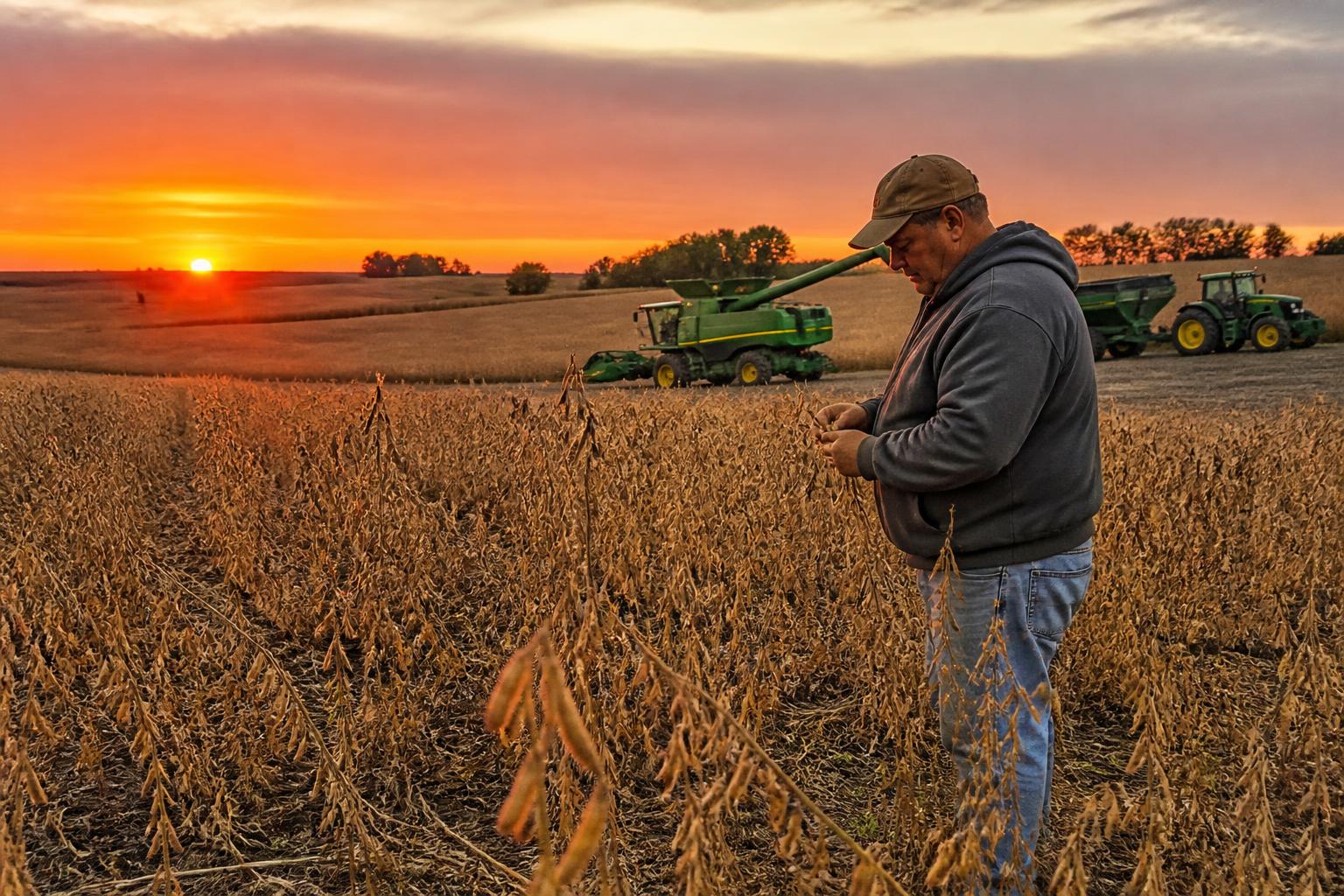
As Ohio producers wrap up their fall harvest operations, the focus has shifted from field yields to the complex economic realities of the current marketing season. Navigating the volatility of grain markets remains a top priority, with many local operators looking for ways to streamline supply chain logistics and manage input expenditures effectively.
Recent legislative developments, including the signing of a state-level carbon capture bill, are expected to introduce new avenues for corn producers to explore potential revenue streams. These market shifts, combined with ongoing efforts to improve local infrastructure, such as the development of new river terminals, reflect a broader push to modernize how inputs reach the farm and how harvested grain is exported.
Refining Input Efficiency and Resource Management
For many Ohio agribusinesses, managing high harvest costs is a constant challenge. To address these pressures, industry players are increasingly incentivizing standardized practices, such as the 4R Nutrient Stewardship program, which aims to optimize fertilizer application. By reimbursing retail partners for these certifications, companies hope to promote long-term soil health while simultaneously helping farmers reduce unnecessary input waste.
Furthermore, logistics remain a critical piece of the puzzle. Recent updates regarding red dyed diesel relief have provided a welcome, though partial, measure of support for those moving equipment and product across state corridors. Ensuring that these operational costs are kept in check is vital as the industry prepares for the winter maintenance cycle and forward-planning for the next planting season.
Adapting to Evolving Market Infrastructure
The establishment of new industrial facilities, including specialized processing plants in the region, signifies a potential long-term boost for Ohio’s agribusiness sector. These developments, when paired with the expansion of health coverage options for rural families, signal a commitment to sustaining the workforce that supports Ohio agriculture.
However, producers should remain mindful of the need for data accuracy in the broader agricultural landscape. Recent concerns regarding federal reporting highlight the importance of maintaining direct oversight of local market data and individual yield performance, especially as farmers manage input volatility as the season winds down.
What it means for the market
The market environment in Ohio is currently characterized by a transition from active harvest to strategic planning. While producers continue to face fluctuations in grain pricing and high overhead, the combination of improved logistical access via river terminals, new carbon market frameworks, and a focus on nutrient efficiency provides a pathway to stabilize margins. Moving forward, keeping a pulse on regional policy changes and leveraging local infrastructure investments will be essential for maintaining a competitive edge throughout the remainder of the year.
Comments
No comments yet - be the first to share your take.