
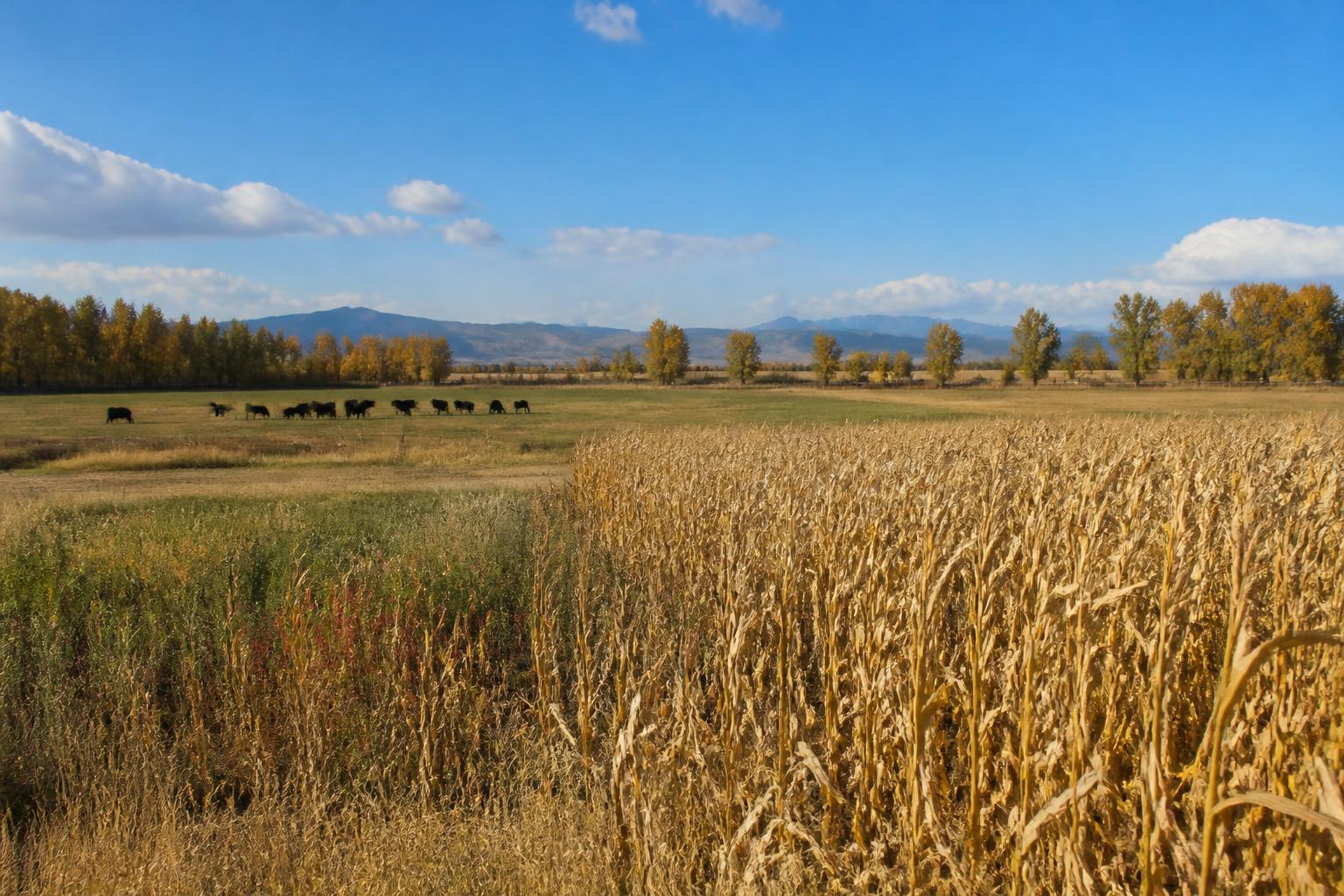
As the Montana harvest season winds down, agricultural logistics remain at the forefront of operational planning for producers and grain elevators. With the onset of colder weather, the focus shifts toward maintaining the flow of commodities through critical transportation corridors. Efficient coordination with rail partners is essential for moving regional grain stocks, as these assets serve as the backbone for connecting Montana producers to both domestic and international markets.
Ensuring that supply chains remain resilient is a priority for agribusinesses across the state. Whether navigating seasonal traffic patterns or addressing localized storage bottlenecks, handlers are closely monitoring performance metrics to anticipate potential delays. Maintaining a steady movement of products is vital, particularly as the industry works to balance internal storage capacities with the pace of outbound transport during the final weeks of the year.
Evaluating Infrastructure and Market Connections
The reliability of rail infrastructure continues to be a central topic for local agribusiness stakeholders. The stability of these networks can directly impact how effectively regional crops reach their destination markets. When transport corridors function at peak efficiency, it helps stabilize the localized pressure often felt at elevators and processing facilities during the peak post-harvest window. For deeper insights into managing regional assets, see our recent analysis on protecting field assets during the harvest.
Beyond immediate logistical concerns, producers are also evaluating how larger supply chain trends influence their local operations. The alignment of transportation schedules with market shifts is a perennial challenge, and staying informed on export shifts and broader chain stability can offer a clearer picture of where, when, and how commodities are best moved. As the sector faces varying economic headwinds, the focus remains on optimizing every link from the farm gate to the rail terminal.
What it means for the market
For Montana operators, the current climate emphasizes the need for proactive communication with logistics providers. Successfully navigating the remainder of the year will likely depend on anticipating bottlenecks early and utilizing available rail capacity effectively. While seasonal shifts can present challenges, a focus on infrastructure reliability and clear logistics planning is essential for maintaining the health of regional supply chains moving into the winter months.
Comments
No comments yet - be the first to share your take.