
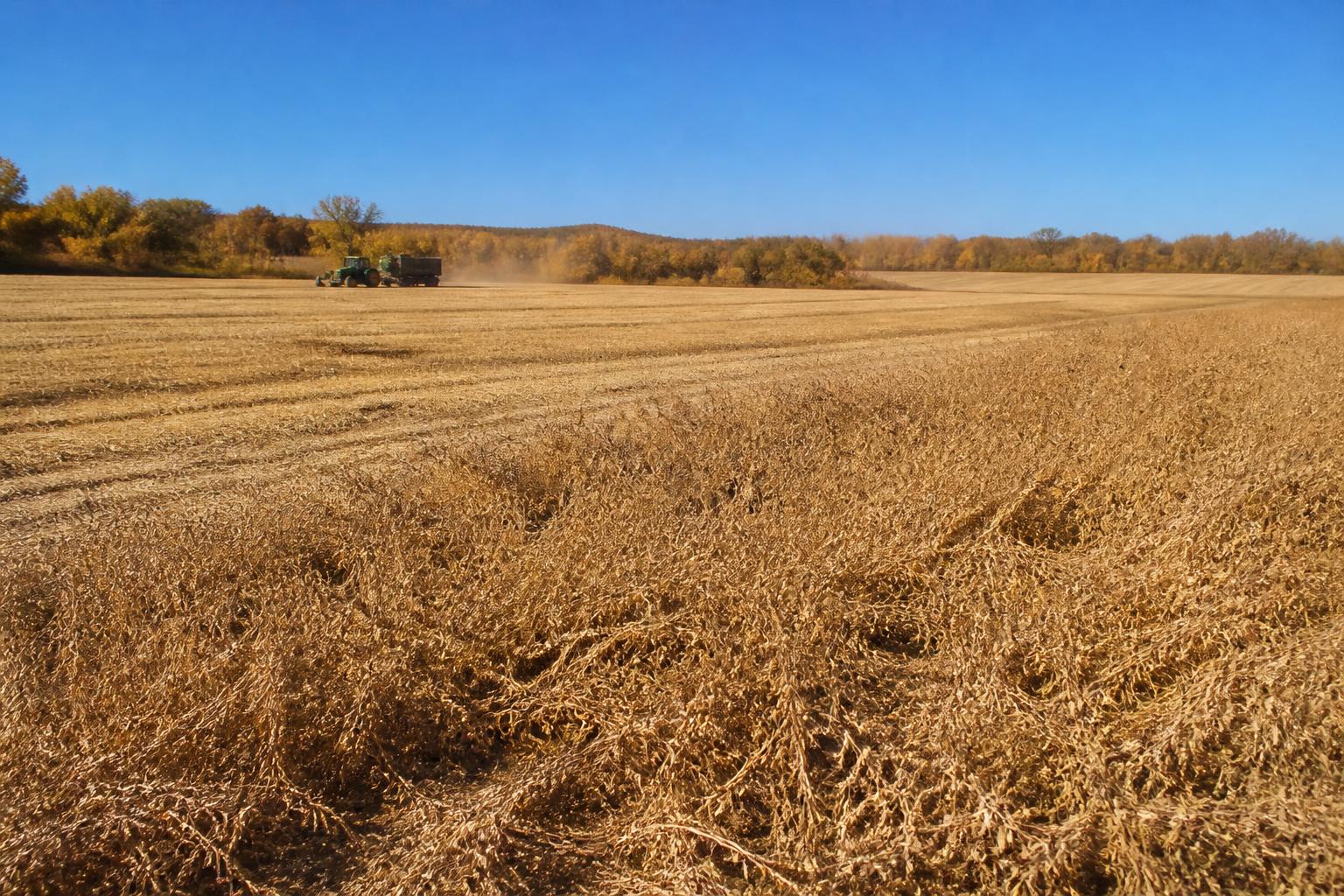
As Montana producers evaluate their crop health and prepare for the post-harvest cycle, the focus is increasingly shifting toward long-term resilience. Managing soil and crop integrity is essential, especially as farmers face unpredictable market pressures and the ongoing challenge of mitigating fungal pathogens like anthracnose, which can severely impact chickpea yields.
Recent studies into sustainable protective strategies for fall have highlighted the potential of plant extracts and bacterial filtrates as biological tools for curbing disease progression. For many operations across the state, integrating these findings may provide a low-impact alternative to traditional chemical applications, potentially aiding in the maintenance of crop quality as products move toward export hubs.
Land Stewardship and Production Security
Beyond immediate disease control, the long-term viability of Montana agriculture remains anchored in land availability. The recent protection of substantial acreage for agricultural use near Bozeman serves as a reminder of the importance of safeguarding the state's natural resource base. Maintaining a stable, arable land footprint is critical for producers looking to manage their operations in an increasingly volatile global commodity market.
Producers are often balancing these regional land management efforts with broader market concerns. Staying informed on export shifts and supply chain stability is more relevant than ever as growers monitor global grain trends that influence local pricing. By combining improved disease management with a focus on stable production regions, Montana agribusinesses can better insulate themselves against sudden market downturns.
What it means for the market
For the individual producer, the combination of emerging biological disease control and a focus on land preservation provides a buffer against external instability. While cereal and oilseed markets currently face downward price pressures globally, maintaining high-quality output through better protection methods remains a primary leverage point for Montana growers to preserve margins throughout the remainder of the season.
Comments
No comments yet - be the first to share your take.