
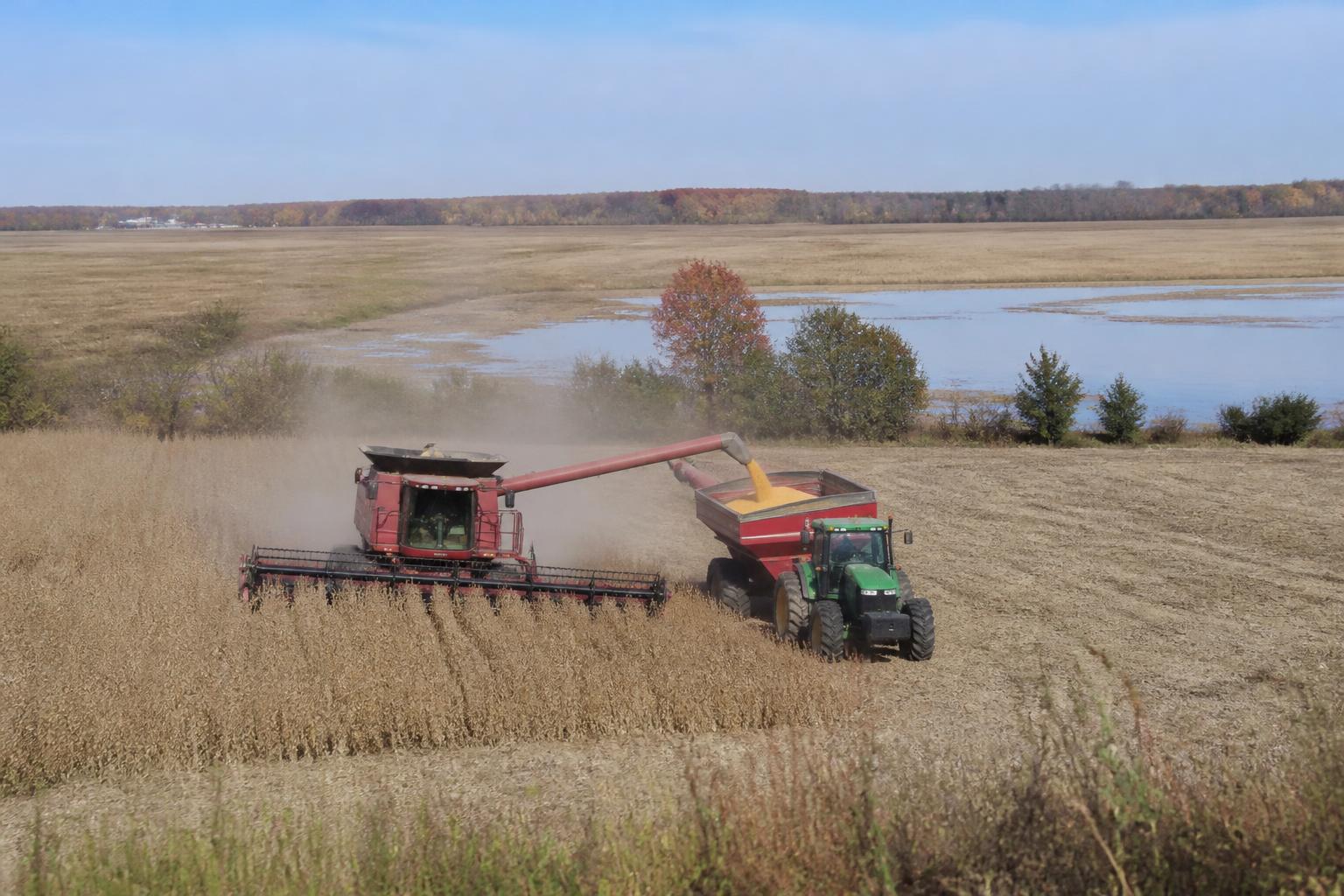
Arkansas growers are navigating a complex landscape this season as they weigh the impacts of extreme weather events against long-term operational resilience. The agricultural community continues to adapt to the persistent challenges of volatility, which have tested the endurance of local fields and the stability of supply chains. Balancing immediate production needs with proactive crop protection strategies remains a critical priority for stakeholders across the state.
Regional efforts to stabilize production are increasingly tied to water management initiatives. By shifting from traditional reliance on groundwater toward surface water, producers may find a more sustainable path to mitigate the recurring risks of heat and drought. These transitions are not merely environmental decisions but essential components of a broader strategy to shield yields from unpredictable fluctuations in water availability.
Infrastructure and Field Protection
The lessons learned from recent flooding and extreme weather events have spurred ongoing discussions regarding the adequacy of current agricultural infrastructure. Managing the financial and operational risks associated with these threats requires a multifaceted approach, including enhanced vigilance in field management. Protecting assets during high-stress periods, such as severe weather, often dictates a farm's ability to maintain a positive outlook for the subsequent season.
Furthermore, the industry continues to emphasize the importance of regional protection standards, particularly within the state's significant poultry sector. These efforts underscore a growing commitment to biological and operational safeguards, which help to insulate the broader agricultural economy from localized disruptions. Such protective measures are vital as growers look to maintain competitive production cycles despite existing economic pressures.
What it means for the market
For agribusinesses and grain handlers, these developments signal a continued transition toward more climate-resilient farming practices. While recent harvest periods have seen some operational successes, the underlying trend points toward a sustained focus on risk mitigation. Market participants should expect that future investments—whether in irrigation technology or broader crop security measures—will be heavily scrutinized for their potential to provide reliable, year-round field protection, as explored further in our recent analysis of logistical and supply considerations.
Comments
No comments yet - be the first to share your take.