
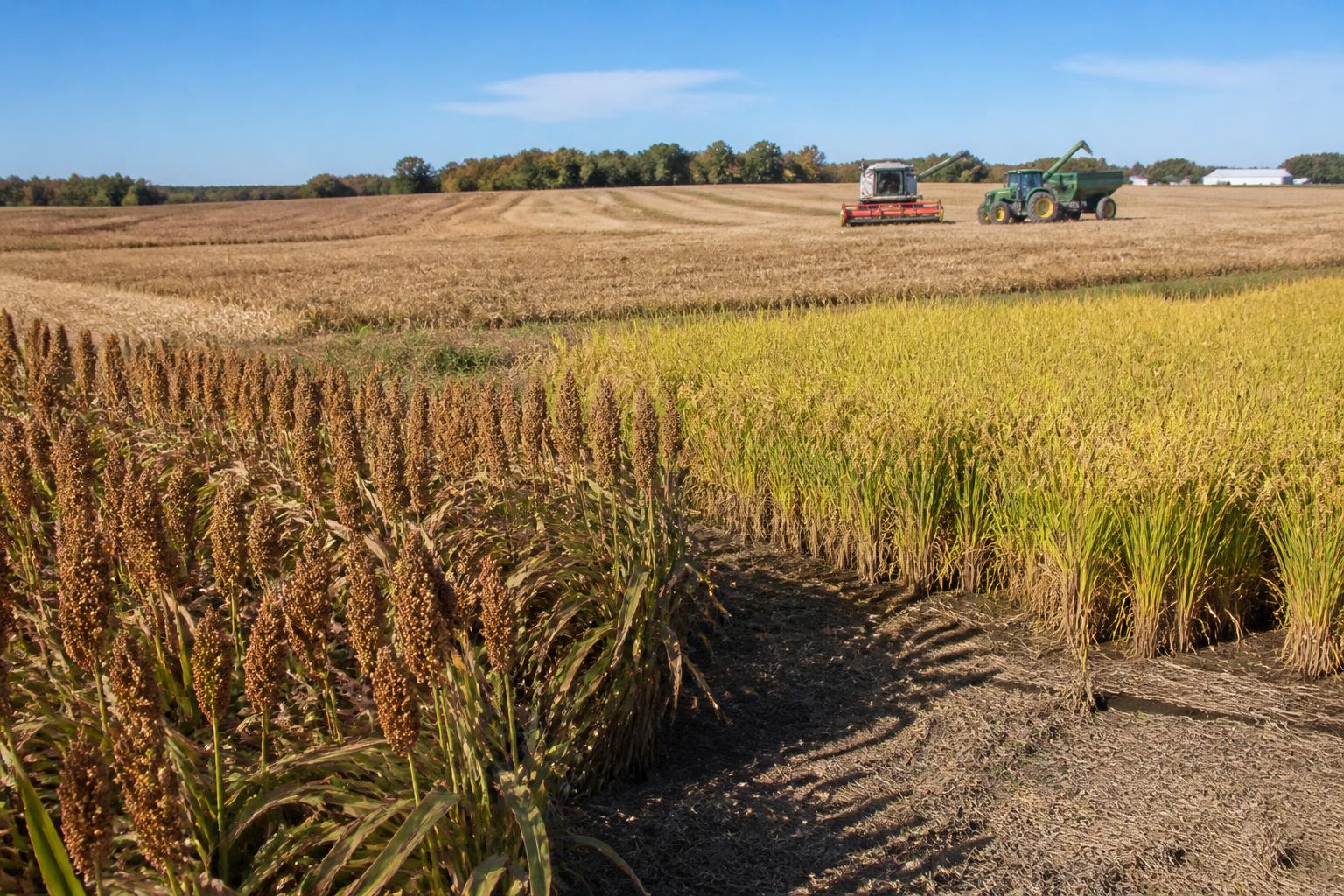
Arkansas growers are closing the book on a demanding harvest season, with soybean fields across the state nearing the final stages of collection. While recent operational cycles have shown varying performance, the conclusion of the harvest provides a window for producers to assess total output and refine their long-term strategies. In some regions, timely rains during the growing season proved beneficial for dryland crops, helping to mitigate some of the irrigation pressure that often complicates production in the state.
As operations wrap up, many agribusinesses are looking ahead to future planting decisions. With the current harvest pace shifting toward maintenance and storage, farmers are increasingly relying on detailed crop budgets to navigate input costs. Integrating alternative crops, such as grain sorghum, into traditional rotations has offered some producers a way to diversify risk and manage soil health, providing a potential buffer against market volatility.
Managing Through Market Volatility
Beyond the field, the broader agricultural infrastructure remains under scrutiny. Logistics issues, including fluctuating water levels on the Mississippi River near Memphis, have created a familiar set of challenges for grain handlers and exporters. These environmental variables often influence local basis levels and the speed at which elevators can move grain through the supply chain. For those managing processing shifts and storage capacity, staying informed on these downstream bottlenecks is critical for keeping harvest logistics on schedule.
The Road Ahead for Arkansas Producers
As the state moves deeper into the fall, the focus shifts from active harvest to administrative and financial planning. Data-driven decision making, including research into poultry operations and precision agriculture, continues to play a role in how Arkansas farmers adapt to tightening margins. While the industry faces ongoing pressures, including regional challenges identified in recent crop protection assessments, the focus remains on field-level efficiency and securing stable financial footing for the upcoming cycle.
What it means for the market
For grain handlers and input buyers, the late-harvest environment necessitates a disciplined approach to inventory and logistics. With harvest nearing completion, the market focus will likely transition toward finalizing storage arrangements and assessing the viability of next year's crop budgets. Keeping a close eye on regional shipping corridors and local grain movement will be essential for maintaining margins through the end of the year.
Comments
No comments yet - be the first to share your take.