
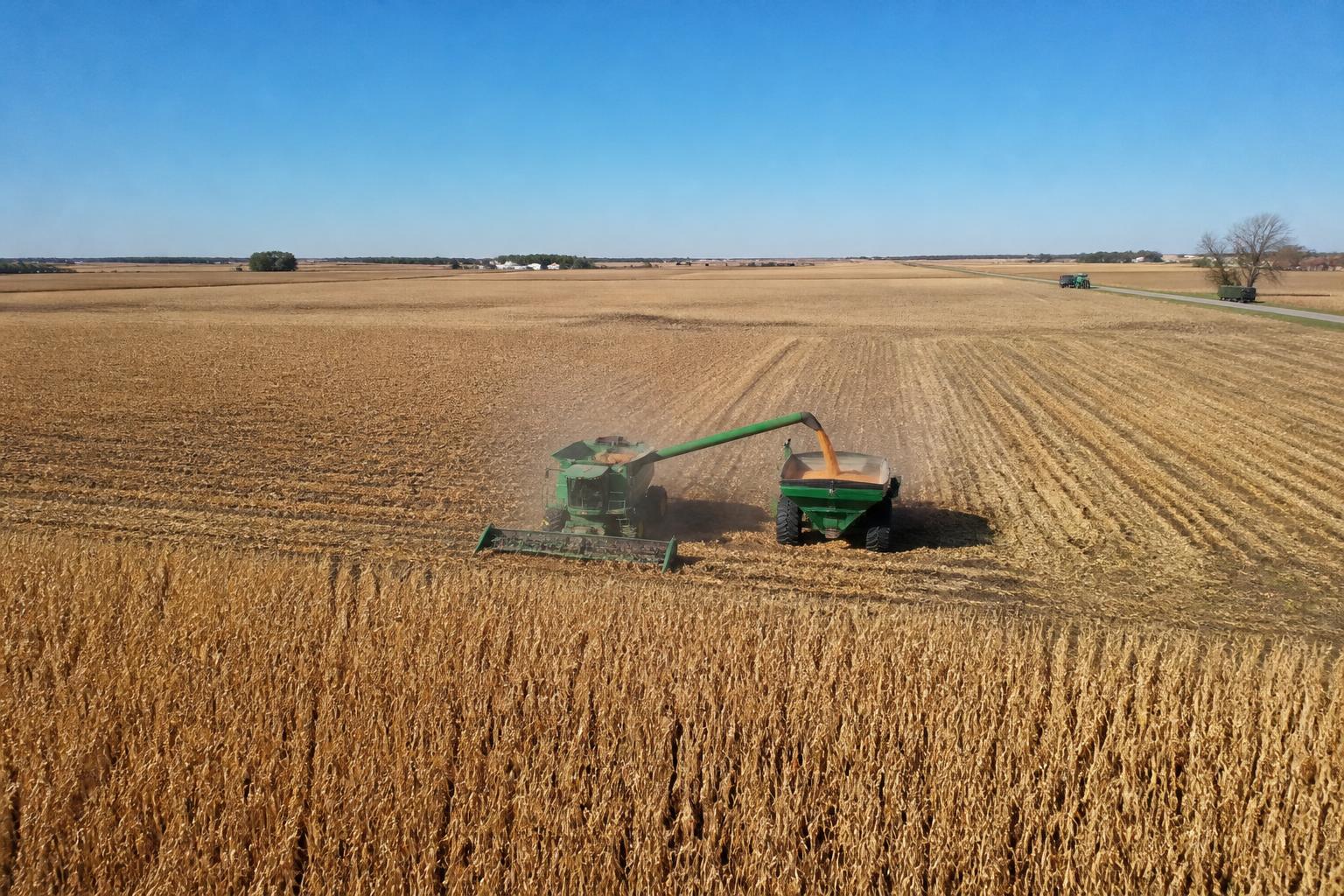
As the fall harvest progresses across Nebraska, agricultural producers are finding themselves in a complex operating environment. While crop conditions have shown localized improvements, the primary focus for many remains on managing thin profit margins amid persistent financial pressures. The delicate balance of maintaining soil fertility, particularly with an increased emphasis on potassium application for high-yielding fields, is being carefully weighed against the need to control rising input costs.
Operational strategies for the season are being adjusted as farmers navigate evolving market information. Recent operational complexities during the Nebraska harvest have prompted many to approach their field work with deliberation rather than haste. This cautious pace is allowing producers to better assess yield outcomes while managing equipment logistics in a season marked by shifting environmental conditions.
Refining Input Strategies
In various regions of the state, the conversation has moved beyond mere yield targets to the optimization of fertilizer efficiency. With producers looking to trim costs without sacrificing performance, initiatives focused on nitrogen management are gaining traction. Growers are increasingly turning to data-driven approaches to refine their input applications, ensuring that every dollar spent in the field provides a clear, measurable return.
Navigating Market and Data Uncertainty
The broader market context remains clouded by reporting discrepancies that have sparked ongoing discussions about production forecasts. These data challenges have added another layer of uncertainty for those planning their winter marketing and rotation strategies. As farmers evaluate their next steps, the necessity of making informed, localized decisions has never been higher, especially as some look to adapt crop rotations to withstand regional stress. For those facing these adjustments, ongoing shifts in crop protection and management are playing a critical role in long-term farm sustainability.
What it means for the market
The coming weeks will be pivotal as Nebraska agriculture stabilizes following the harvest push. Market participants should expect continued scrutiny of input costs and a strong preference for precision-based farm management. For elevators and input suppliers, the emphasis remains on providing flexible, value-added support to producers who are navigating a market environment that rewards efficiency and strategic planning over scale alone.
Comments
No comments yet - be the first to share your take.