
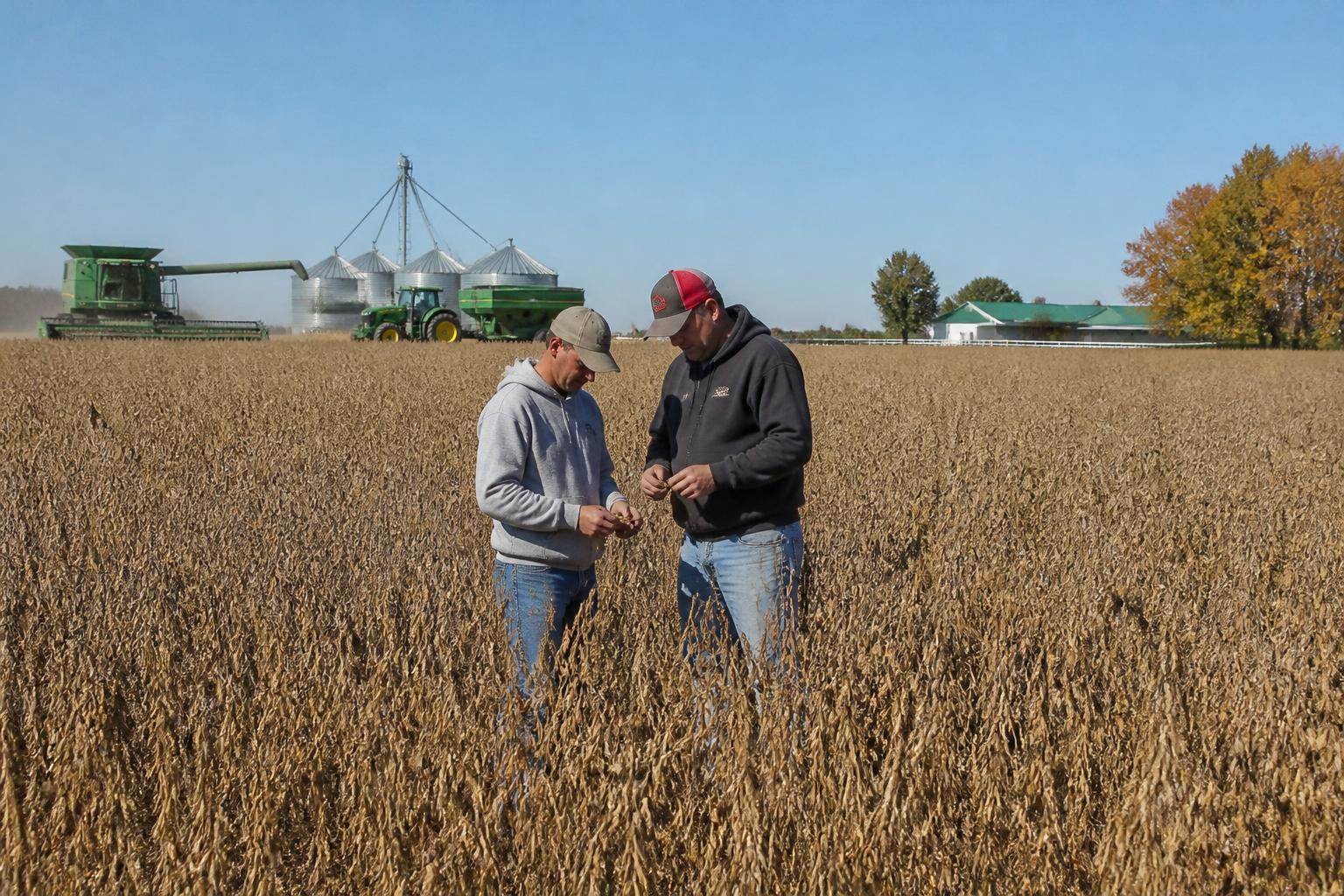
The Nebraska harvest is well underway, with many producers reporting strong soybean yields that have provided a bright spot despite a season marked by shifting environmental and market conditions. While moisture levels have been a point of focus, the recent arrival of rainfall has been welcomed by many, helping to stabilize field conditions and boost crop performance across key growing regions.
However, the picture remains nuanced for corn producers. Recent government yield forecasts have met with a measure of skepticism among local growers, many of whom are grappling with the reality of market volatility. This ongoing uncertainty is forcing a re-evaluation of long-term strategies, with some producers finding that navigating rising input costs and operational margins in Nebraska is essential to maintaining profitability as they prepare for the next production cycle.
Managing Field Performance and Long-Term Strategy
Beyond current yield reports, the broader Nebraska agricultural landscape is shifting. Variable insect pressure has necessitated careful field monitoring, while logistical concerns remain a constant for elevators and carriers. For many, the choice of rotation is no longer straightforward; in some instances, producers are feeling compelled to opt for corn-on-corn cycles due to the combined pressures of market access and local drought realities.
Investment continues to flow into the state's infrastructure, signaling a focus on long-term capacity. Facilities are looking to enhance processing capabilities, which may offer more robust Nebraska harvest logistics and input strategies amid regional market shifts. Meanwhile, research entities are expanding their footprint in the state, aiming to leverage local conditions to drive future improvements in plant breeding and agricultural technology.
What it means for the market
The market environment for Nebraska producers is currently defined by a tug-of-war between production gains and economic headwinds. While the immediate focus is on securing the remaining crop, the long-term outlook for Nebraska harvest season: navigating volatile markets and data privacy necessitates that farmers remain agile. Producers should monitor local basis levels closely, as regional processing investments and shifting storage availability will likely dictate price discovery for the remainder of the quarter.
Comments
No comments yet - be the first to share your take.