
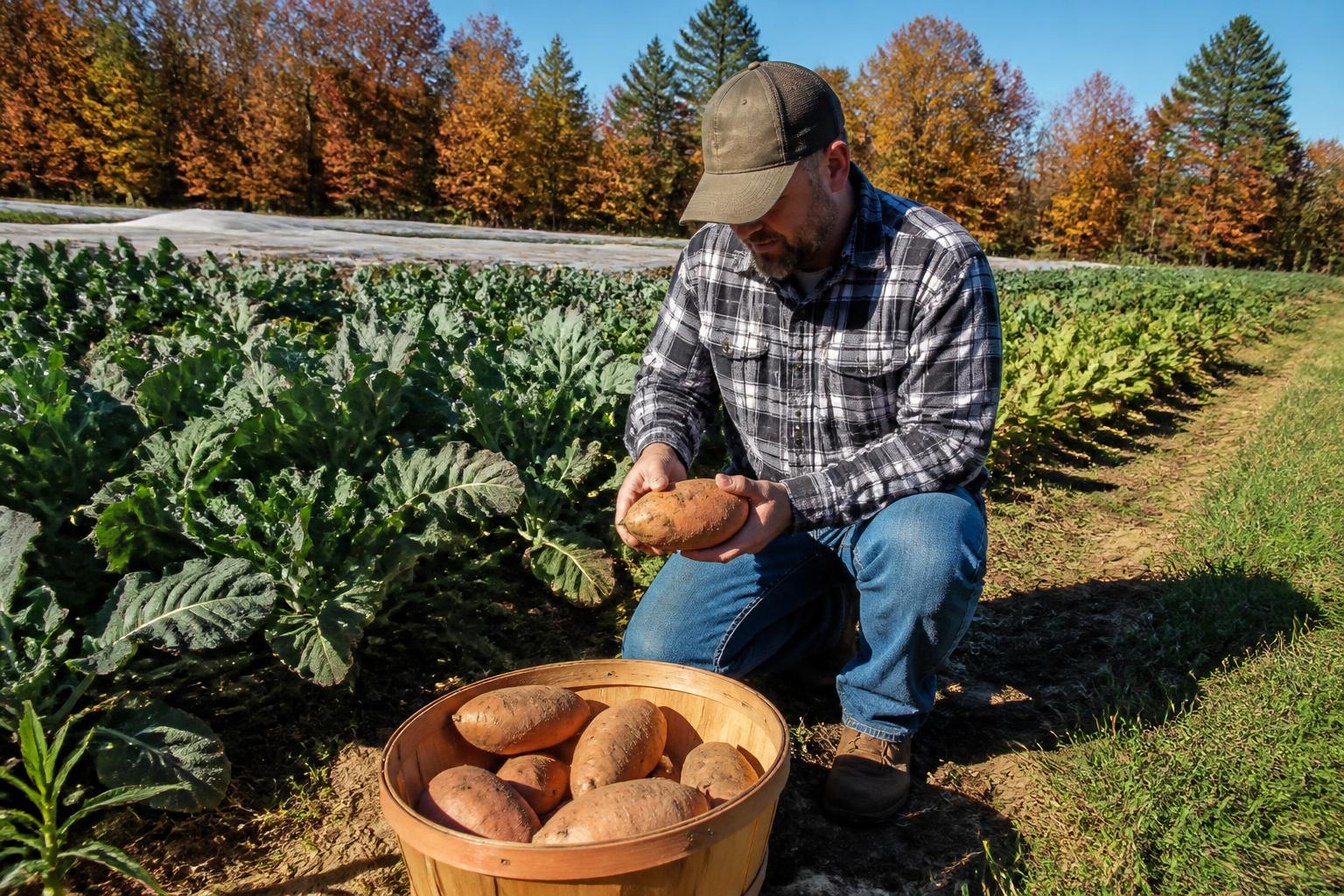
As Alabama producers move through the final stages of the fall season, the focus across the state remains on strengthening the infrastructure that connects field-level production to broader markets. In recent months, targeted support has been directed toward the specialty crop sector, with significant funding initiatives aiming to enhance capacity and operational efficiency. For growers, elevators, and logistics providers, these developments serve as a reminder of the shifting priorities in how regional agricultural value chains are being managed.
Building robust local food solutions often requires more than just high yields; it necessitates an integrated approach to transport and storage. With logistics and infrastructure shifts becoming a permanent fixture of current market planning, many Alabama agribusinesses are re-evaluating how they move goods from rural counties toward major transit corridors. This transition highlights the ongoing need for flexible, reliable regional networks that can adapt to seasonal demand spikes and evolving logistical bottlenecks.
Investing in Regional Resilience
The state has seen renewed interest in bolstering localized production capacity. Recent financial support aimed at the planting and cultivation cycles for specialty crops suggests a concerted effort to diversify the agricultural footprint beyond traditional staples. For participants in the regional supply chain, this creates both a challenge and an opportunity to refine transport routes and storage techniques that are specific to higher-value, perishable commodities.
Moreover, the integration of new technologies into pest management and environmental monitoring, as noted in recent operational outlooks, is helping farmers optimize input use and reduce costs. Efficient movement of these inputs—and the resulting products—remains critical to maintaining margins during a season defined by complex market dynamics.
What it means for the market
For Alabama agriculture, the coming months will likely emphasize the importance of connectivity and smart resource management. As investment dollars continue to flow into regional agricultural infrastructure, carriers and grain handlers should prepare for a landscape where supply chain agility is as vital as crop quality. The move toward more sophisticated value chains suggests that producers and logistics providers who prioritize local partnerships and operational transparency will be best positioned to navigate the upcoming market cycle.
Comments
No comments yet - be the first to share your take.