
Adapting to Seasonal Shifts in Texas Agriculture
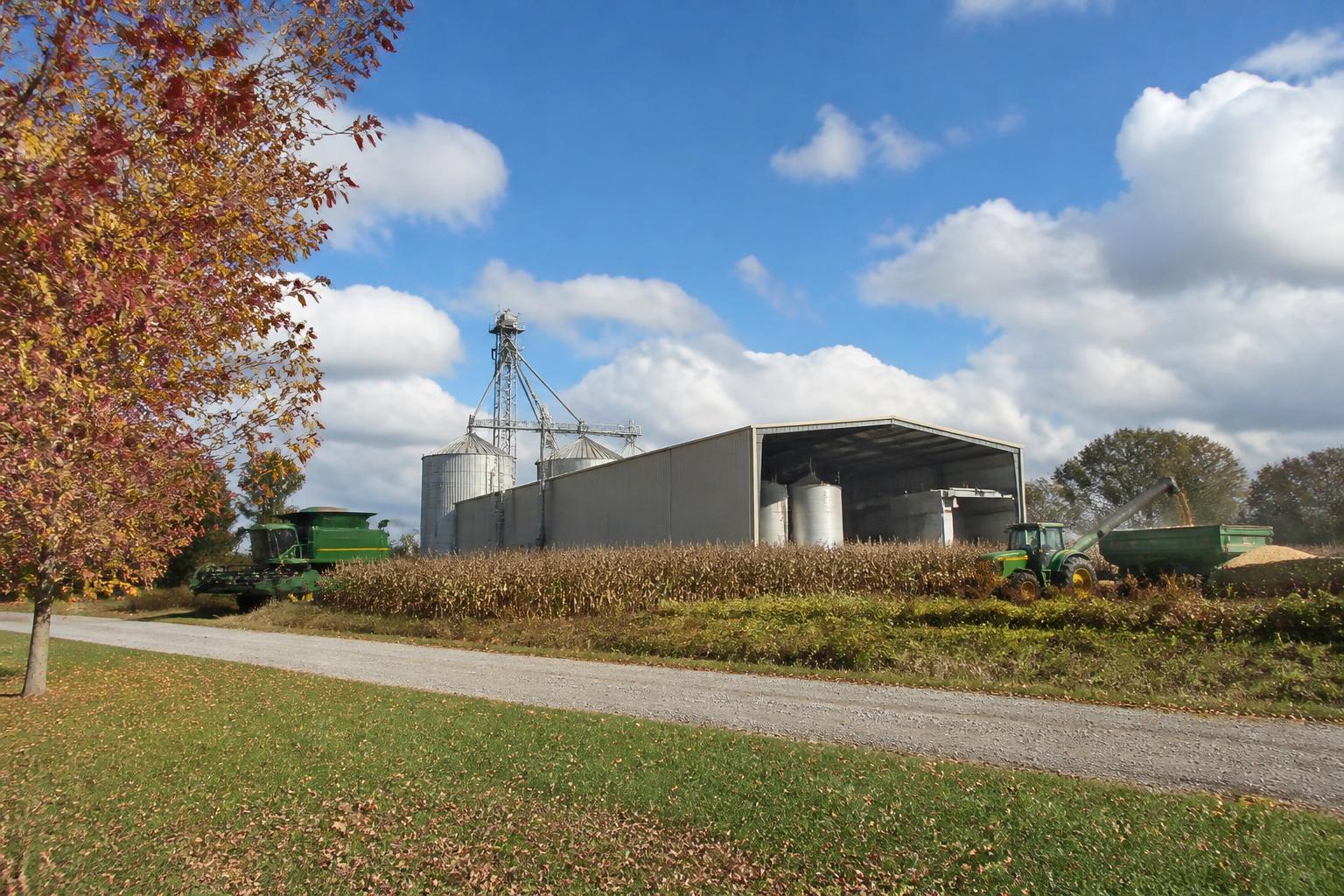
As the fall harvest concludes across much of Texas, producers are increasingly looking toward crop diversification to manage risk. With grain sorghum gaining traction as a potential replacement crop in various regions, the state's logistical network is being tested to accommodate shifting storage and transport demands. Efficient movement remains critical, and modernizing local grain logistics is top of mind for many handlers seeking to improve throughput as market conditions evolve.
Infrastructure and Resource Development
Investment in the Texas agricultural supply chain is showing signs of growth, with new manufacturing capacity for essential inputs—such as agricultural films—now established within the state. These additions aim to streamline the North American market supply, potentially reducing wait times for farmers preparing for the next planting cycle. Additionally, the integration of new logistical platforms, sometimes described as the latest in digital transport coordination, may help ease the pressure on traditional trucking routes and freight systems often strained during peak harvest months.
Legal and Regulatory Headwinds
While infrastructure projects move forward, the regulatory environment continues to impact on-farm operations. Ongoing discussions regarding the right to farm in light of municipal encroachment remain a point of concern for rural landowners. Maintaining access to land and transportation corridors is essential for the long-term viability of Texas agribusinesses, particularly as logistics upgrades and financial headwinds continue to influence bottom lines across the state.
What it means for the market
For grain handlers and carriers in Texas, the current environment demands agility. The potential for shifting crop rotations toward varieties like sorghum suggests that elevators and storage facilities should prepare for changes in volume and timing. As digital logistics platforms and new supply chain facilities come online, producers who leverage these technological and infrastructure advancements may find themselves better positioned to mitigate the logistical friction typical of a busy Texas harvest season.
Comments
No comments yet - be the first to share your take.