
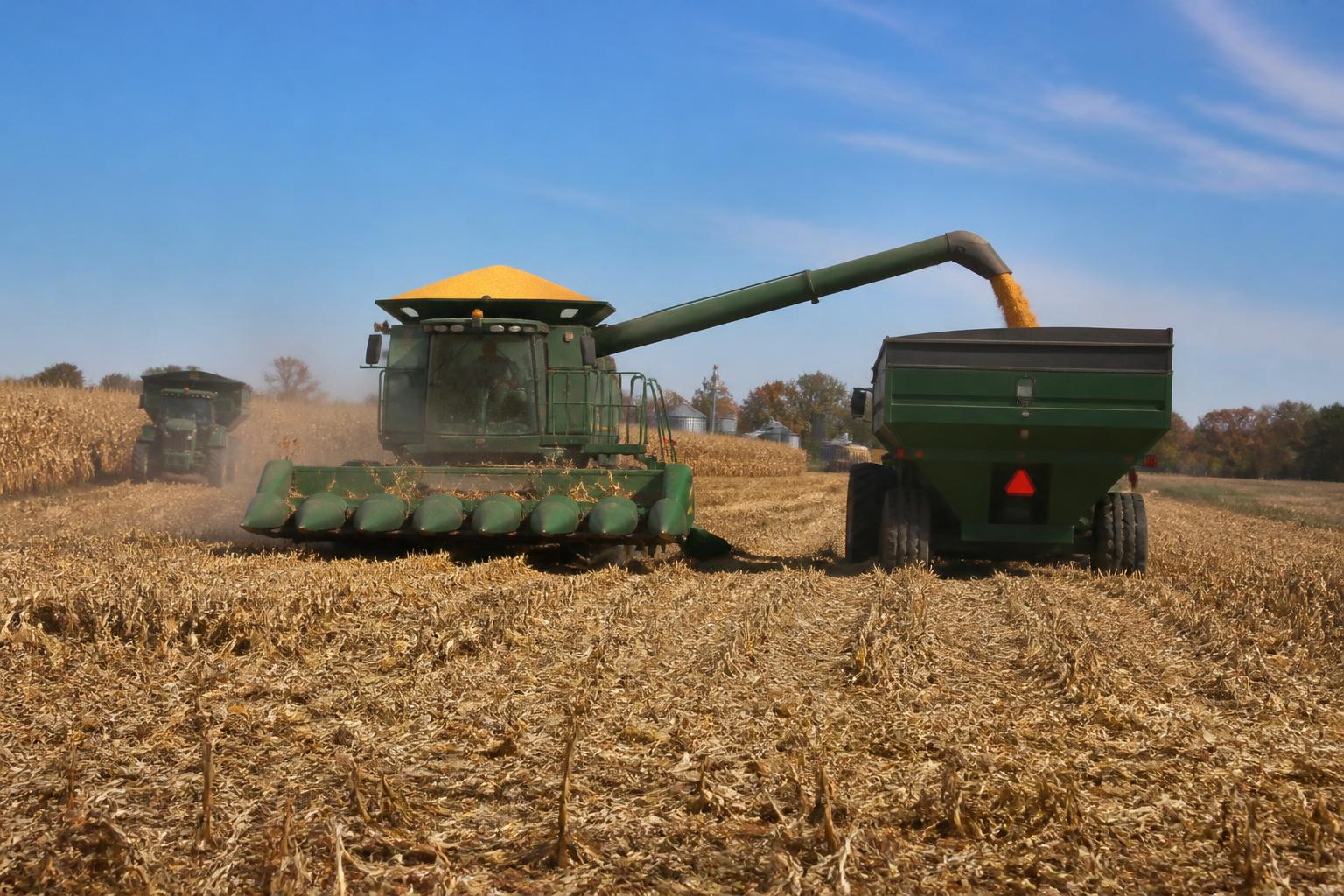
As harvest operations wrap up across the Land of Enchantment, New Mexico farmers and grain elevators are turning their attention toward the broader trade environment. With the fall season drawing to a close, the focus has shifted from field yield logistics to the market access hurdles that may influence the coming months. Ongoing international policy discussions regarding corn trade continue to hold the attention of regional agribusinesses that serve both local and export channels.
Navigating Trade and Biosecurity Challenges
For those managing grain inventories, the evolving status of regional grain markets necessitates a proactive stance. Trade disputes centered on corn imports have created uncertainty, impacting how local handlers plan their storage and movement strategies. While New Mexico is known for its specialty corn varieties, the integration with larger, national supply chains means that even localized producers are sensitive to these broad market fluctuations.
Beyond the grain sector, New Mexico livestock producers are also managing a complex set of regional variables. Biosecurity remains a top priority, particularly as states adjust transport restrictions in response to animal health concerns. Maintaining strict herd management practices is essential as the industry navigates these regulatory shifts. Furthermore, economists have noted that adjustments to cattle import policies could play a role in the long-term growth trajectory of the state's beef production sector.
Looking Ahead: Operational Resilience
As we move deeper into November, the focus for many remains on optimizing post-harvest logistics and preparing for winter input cycles. Engaging with current fertilizer market dynamics and input availability will be crucial as growers finalize their plans for the next season. The combination of international trade friction and regional health protocols requires producers to remain flexible in their marketing and operational approaches.
What it means for the market
Producers should continue to monitor export policy developments closely, as changes to international agreements often have a ripple effect on domestic pricing structures. For livestock owners, keeping informed on state-level transport requirements is vital for preventing supply chain bottlenecks. By prioritizing biosecurity and maintaining efficient storage management, New Mexico operations can better buffer against current market volatility.
Comments
No comments yet - be the first to share your take.