
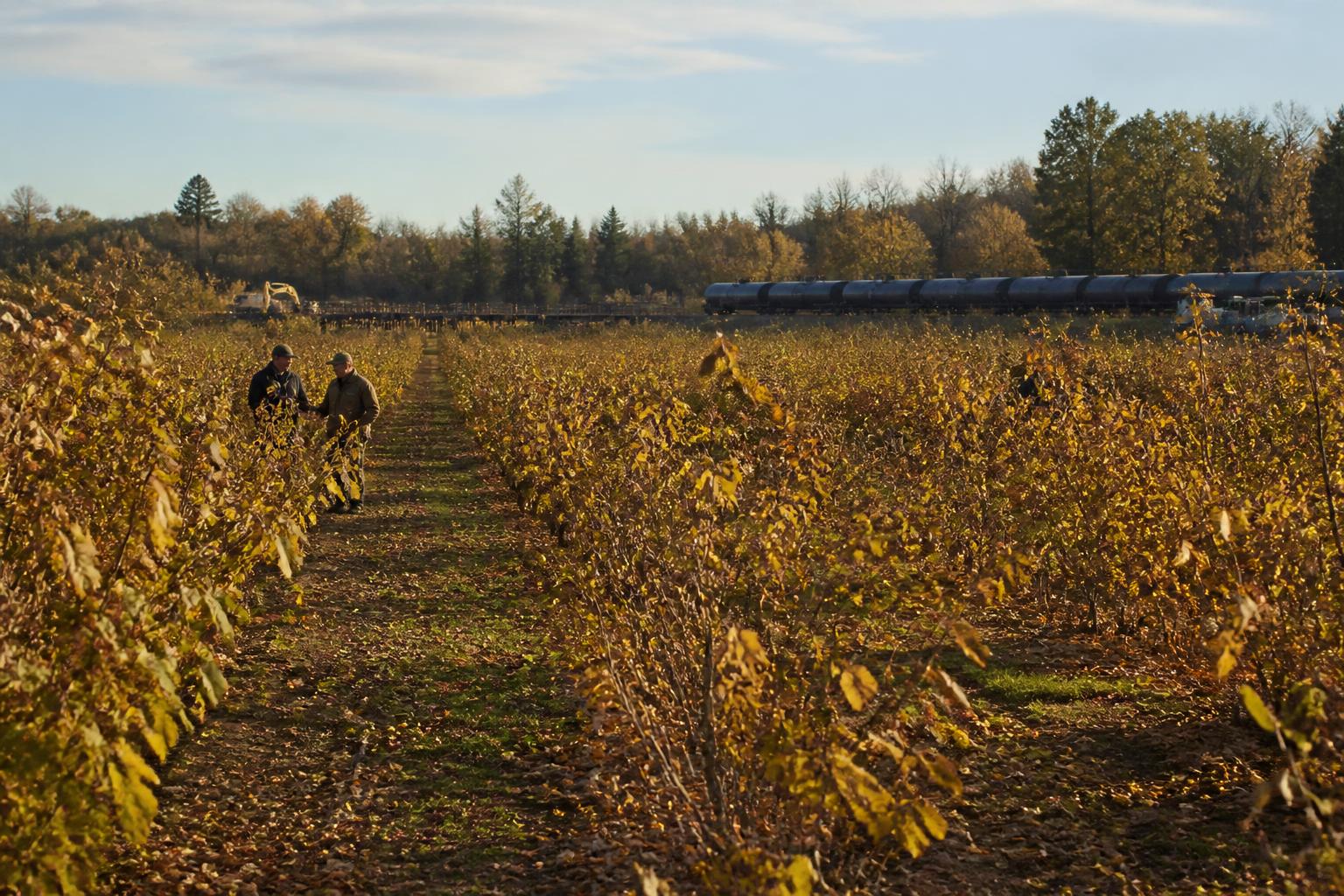
As the fall season progresses across Oregon, agricultural operations are entering a critical window for soil management and long-term land stewardship. With harvest activities winding down in many of the state's diverse growing regions, the focus for many producers has shifted toward securing essential inputs for the coming cycle and safeguarding perennial crops against environmental and biological pressures.
Reliable access to high-quality soil inputs remains a priority as market dynamics evolve. Recent federal initiatives aimed at expanding domestic manufacturing capacity may eventually alleviate some of the pressure on supply chains, though immediate logistics and transportation remain the primary hurdles for many local cooperatives and independent operations. Maintaining open lines of communication with your local agronomists and transport partners is essential to ensure that your specific soil amendment requirements are met in time for winter field preparation.
Protecting Orchard Assets
Beyond soil nutrition, regional orchard managers are increasingly vigilant regarding forest and orchard health. The presence of the emerald ash borer (EAB) in broader regions has prompted agricultural extension services to issue updated guidance on tree protection protocols. While Oregon growers typically employ diverse integrated pest management strategies, staying informed on current management and logistics practices is crucial to mitigate potential long-term damage to local landscapes and commercial tree stands. Early detection and proactive intervention continue to be the most effective tools for protecting vulnerable species.
Logistics and Farmland Trends
The movement of agricultural goods through Oregon's infrastructure continues to be a subject of interest for stakeholders across the Willamette Valley and beyond. While state-backed transportation investments have been significant, the operational status of key regional projects underscores the importance of diversifying supply chain routes and maintaining flexibility in your localized transport plans. As farmland availability shifts, efficiency in both input application and harvest transport remains a key factor in maintaining profitability.
What it means for the market
For Oregon farmers and agribusinesses, the current landscape emphasizes the need for localized planning. With logistical variables influencing the speed of input delivery and evolving biological threats requiring proactive management, a conservative, well-researched approach to procurement is advised. Focus your efforts on securing early-season supplies and monitoring extension updates to shield your operation from unnecessary risk as we head into the winter months.
Comments
No comments yet - be the first to share your take.