
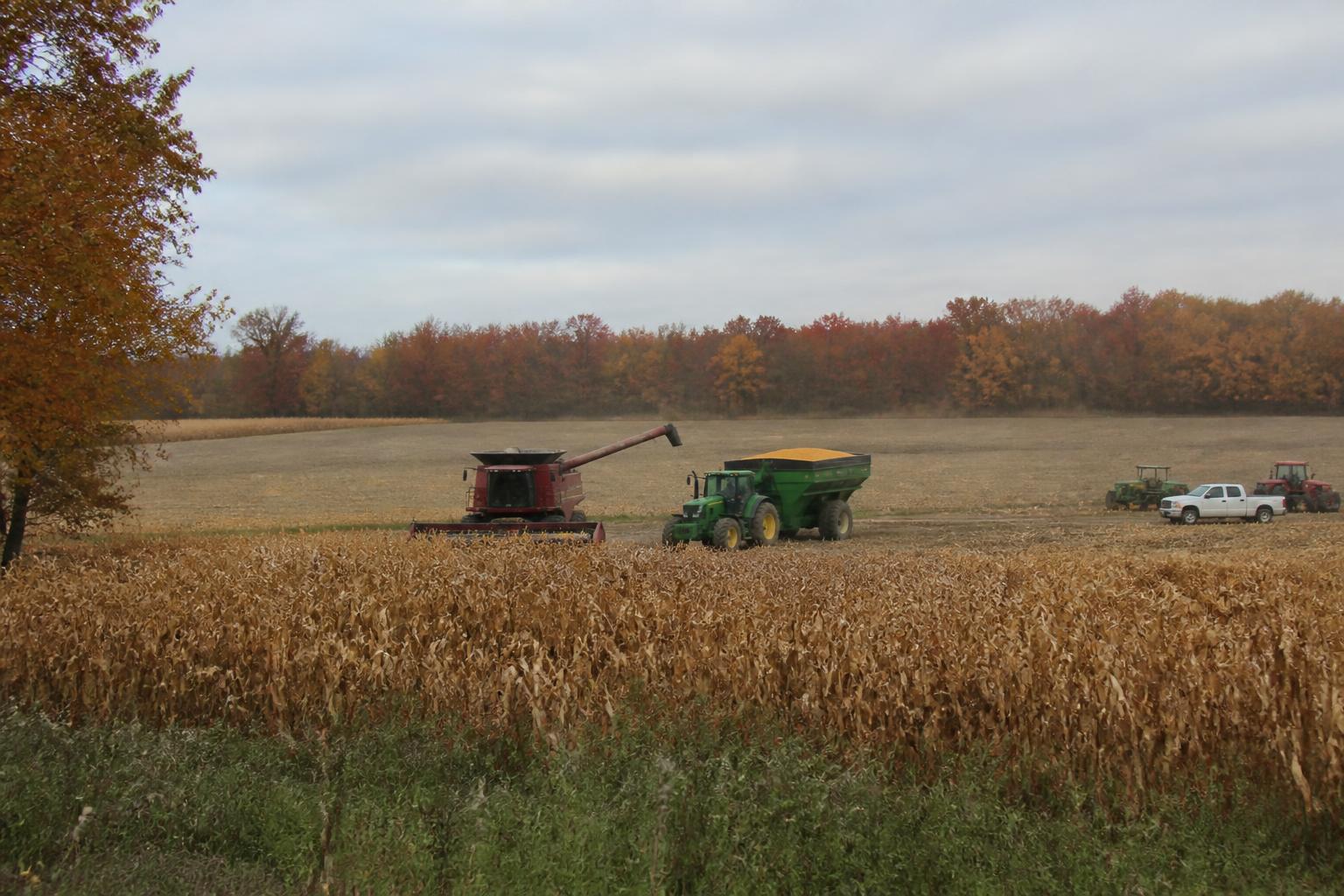
With the autumn harvest season in full swing, Alabama agribusinesses are navigating the typical logistical pressures associated with moving late-year volumes. Efficient transport remains a critical variable for growers in regions from the Tennessee Valley down through the wiregrass, as producers work to ensure crop quality and timely delivery to regional elevators and storage facilities.
For those managing grain movement, consistent attention to equipment maintenance and route optimization can help mitigate the risks of seasonal bottlenecks. Strengthening Alabama logistics and supply chains is a recurring priority as the industry seeks to maximize value during these high-traffic months.
Aligning Farm Strategy with Federal Policy
Beyond the immediate demands of the harvest, farmers are evaluating their long-term risk management. The Alabama Cooperative Extension System continues to offer resources to help producers navigate complex choices regarding federal safety nets, including the Agriculture Risk Coverage (ARC) and Price Loss Coverage (PLC) programs. These decisions often represent a significant component of annual farm financial planning, requiring producers to balance current market expectations against long-term price stability.
Producers should remain proactive in staying updated on these administrative frameworks, which often provide essential support during volatile market cycles. Staying informed on Alabama planting outlooks and seasonal transitions can also assist in better timing future operational investments.
What it means for the market
The current landscape in Alabama suggests that while logistical efficiency remains the primary hurdle for the immediate harvest, upcoming participation in federal programs will likely dictate the financial health of many operations heading into the next planting cycle. For carriers and handlers, prioritizing clear communication with producers regarding storage availability and delivery windows will remain vital to ensuring fluid movement across the state's agricultural corridors as the fall season nears its conclusion.
Comments
No comments yet - be the first to share your take.