
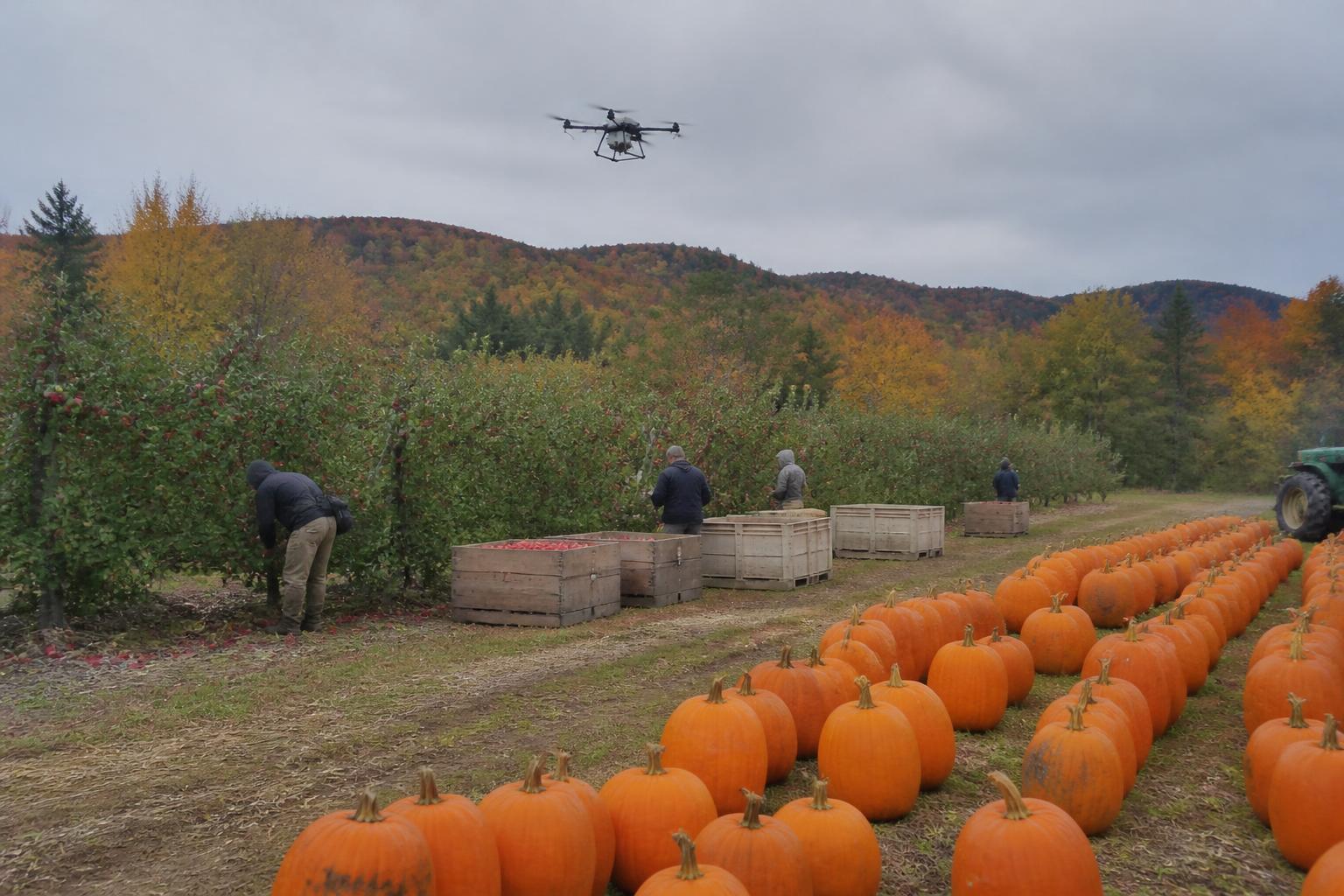
As the fall harvest season winds down across New Hampshire, growers and agribusinesses are shifting their focus from yield management to long-term risk mitigation. Recent legislative progress regarding agricultural PFAS contamination has brought new clarity to the state's regulatory environment, encouraging producers to review their site management and water usage protocols. For many, this adjustment period is a critical step in ensuring land viability for the coming seasons.
Innovation in Crop Health
Technology continues to play a pivotal role in maintaining farm productivity despite rising input costs. Growers are increasingly turning to advanced precision crop management tools to optimize chemical and biological applications. The adoption of UVC robotics is one such development, offering a non-chemical method to address pathogens in horticulture. As farmers evaluate their budgets for the next cycle, these automated systems are becoming a favored solution for those looking to improve efficiency while meeting modern consumer demands for cleaner growing practices.
Strategic Shifts for New Hampshire Growers
Beyond automation, regional research is expanding the potential for diversifying New Hampshire's output. Recent findings suggest that specific varieties of seedless table grapes may be viable in the state's climate, potentially opening new niche markets for local operations. However, navigating these transitions requires careful planning. As producers assess their strategies, they must balance new crop potential with seasonal resilience and changing market dynamics. Whether integrating new biological solutions or preparing fields for winter dormancy, the current climate demands a proactive stance on soil health and risk management.
What it means for the market
For New Hampshire agricultural stakeholders, the current market is defined by a transition toward high-tech, low-impact solutions. Producers who prioritize regulatory compliance—particularly regarding environmental safety standards—are better positioned for long-term stability. As supply chains remain sensitive to broader regional logistics shifts, those who invest in localized efficiency and diverse, climate-resilient crop varieties are expected to maintain stronger margins in an increasingly competitive landscape.
Comments
No comments yet - be the first to share your take.