
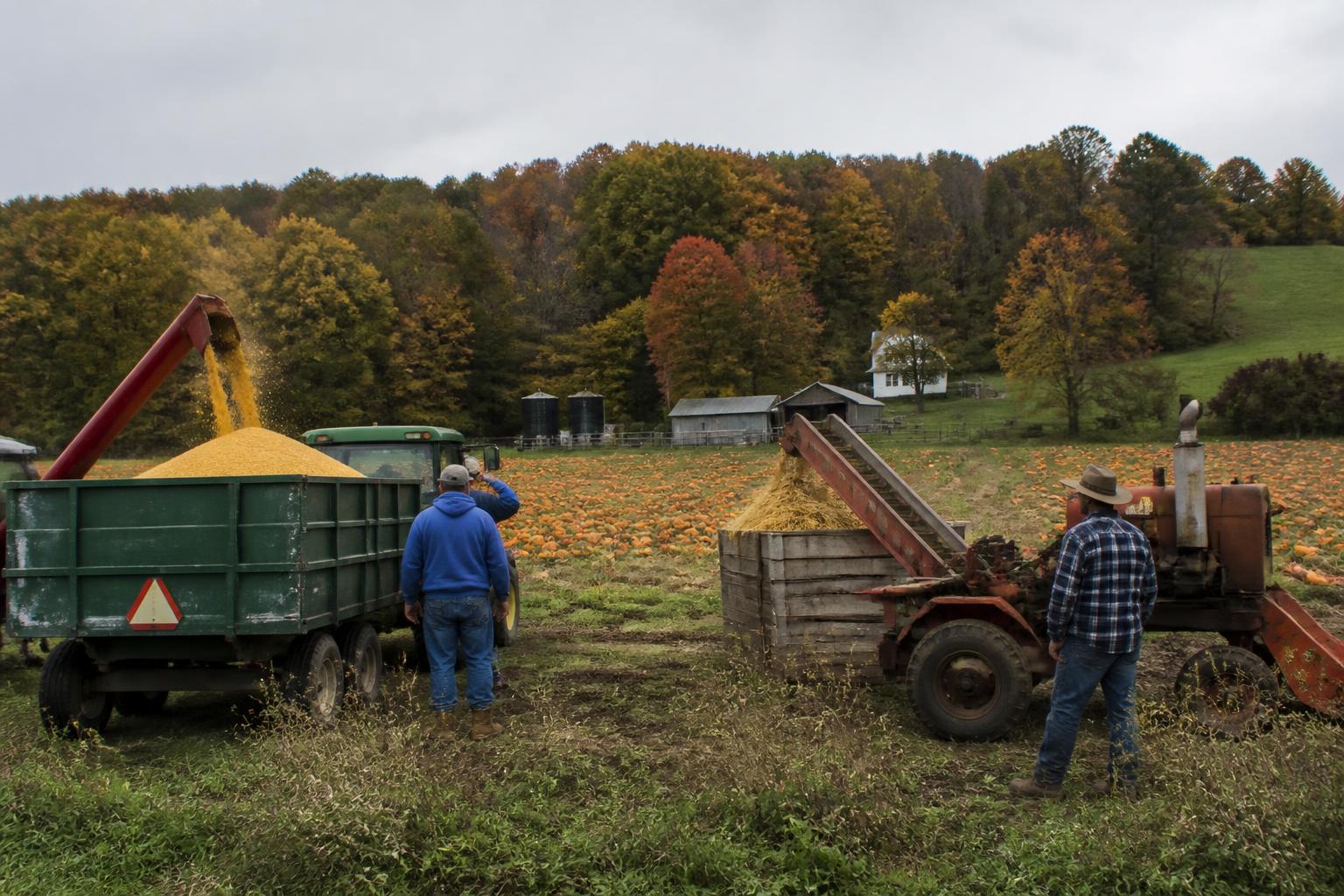
The agricultural landscape in West Virginia is navigating a complex period as producers wrap up late-season activities. With fall color peaking across the state's iconic gorge regions and hillsides, growers are balancing the final push of harvest operations against broader market uncertainties that are currently being observed across the industry. This is a critical time for managing fall crop protection and soil health, as fields require preparation to withstand the coming winter months.
Adapting to Evolving Operational Realities
For many farm operations, the current environment presents a mix of logistical challenges and new opportunities. Producers are often looking closely at how to optimize their input strategies, especially as the industry reflects on the impact of various contaminants and the ongoing need for sustainable land management. Logistics and operational shifts in West Virginia agriculture remain at the forefront of discussions, particularly as farmers adjust to regional supply chain rhythms that can influence local commodity movement.
Building Resilience Through Better Planning
As the state looks toward the next calendar year, there is an increased emphasis on data collection and professional development. Participation in agricultural programs and updated census initiatives can often help producers gain a clearer picture of their farm's position within the regional economy. Furthermore, many growers are re-evaluating their risk management strategies, focusing on fall protection strategies for West Virginia producers to ensure that both equipment and soil assets are secured before the onset of more severe weather.
What it means for the market
The market outlook for late 2026 suggests that while uncertainty persists, producers who prioritize early planning and resource efficiency will be better positioned to navigate the coming months. Staying informed on regional infrastructure constraints, staying vigilant regarding environmental compliance, and engaging with state-level agricultural resources will be vital for maintaining steady operations through the winter transition.
Comments
No comments yet - be the first to share your take.