
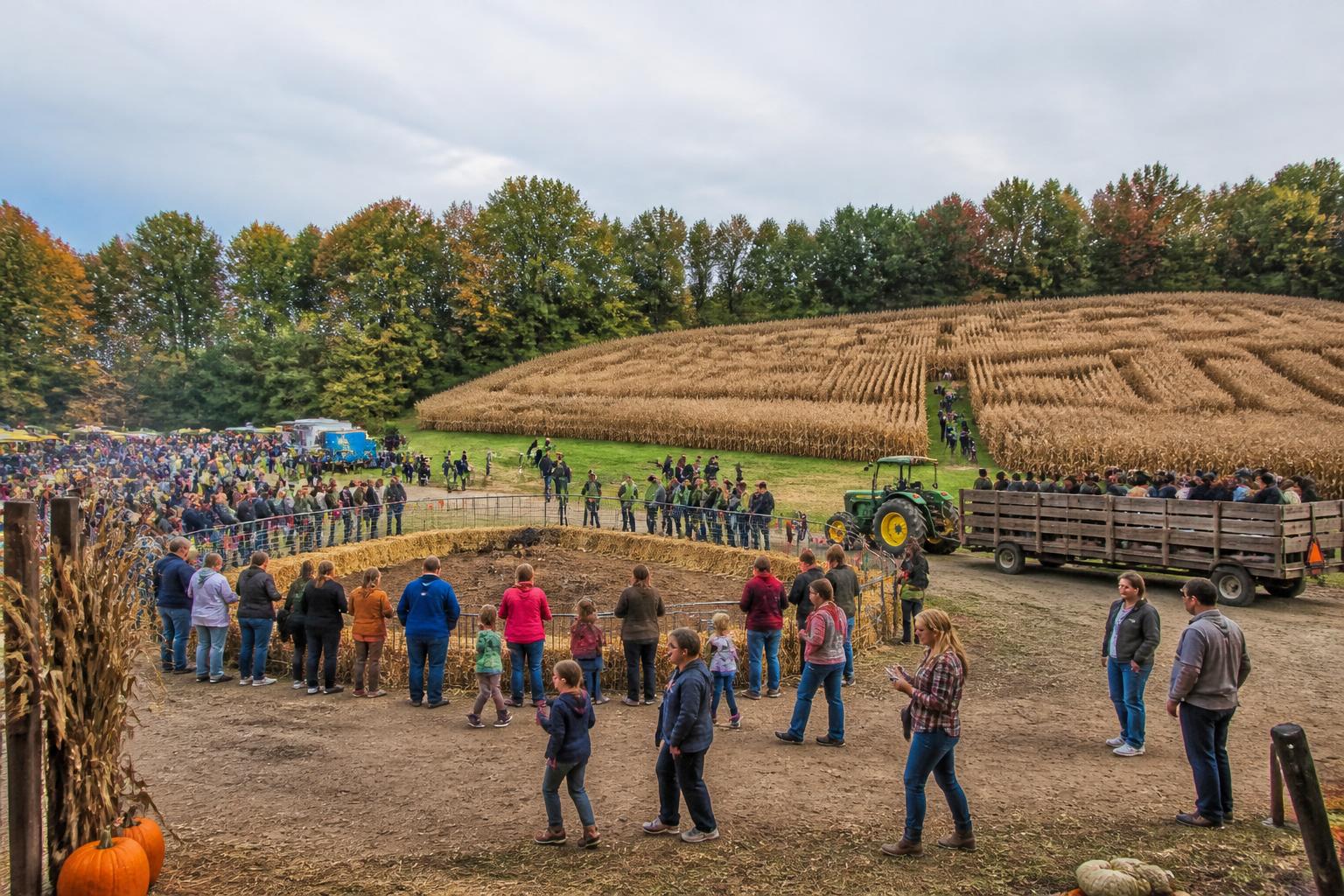
With the autumn harvest season winding down, New Jersey agribusinesses are transitioning into a period of strategic assessment. Many operations across the state, from the fertile fields in South Jersey to the northern corridors, are evaluating yield results against current market headwinds. Producers are increasingly weighing the impact of national tax and energy policies, such as recent guidance regarding clean fuel tax credits, which may shape decision-making for the upcoming crop cycle.
Strategic Planning in a Shifting Market
Market participation in the current climate requires a close look at both internal efficiency and external economic factors. While seasonal attractions like corn mazes and pumpkin festivals have marked a successful close to the agritourism calendar, the focus for grain handlers and producers remains on the bottom line. Developing robust management strategies for input costs has become essential for those looking to maintain long-term financial resilience. As the industry looks toward early-year conferences, there is a clear emphasis on modernizing logistics and adopting precision tools to stay competitive.
Navigating Regulatory and Operational Changes
Regulatory considerations are also playing a larger role in how farmers approach their operations. From ongoing discussions surrounding crop protection products to the integration of precision technology, producers are balancing traditional farming practices with a need for greater operational agility. Furthermore, regional infrastructure requirements continue to demand attention as businesses work to streamline transport and distribution. Understanding these shifting seasonal realities is critical for those managing grain inventory or planning their next marketing moves.
What it means for the market: For New Jersey farmers and agribusinesses, the current market environment rewards those who prioritize data-driven planning and remain adaptable to policy shifts. As winter approaches, success will likely depend on tightening operational costs and leveraging regional market opportunities to offset broader economic uncertainty.
Comments
No comments yet - be the first to share your take.